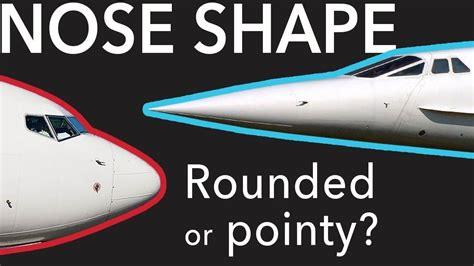
In the world of modern aviation, a subtle yet distinct difference in aircraft design captures the attention of even the most casual observer: the shape of the aircraft nose. A side-by-side look at Boeing and Airbus aircraft reveals a recurring theme—Boeing jets typically feature a more pointed, beak-like nose, while Airbus models exhibit a rounded, bubble-like profile. This visual distinction is not merely cosmetic; it represents a confluence of history, engineering philosophy, and functional aerodynamics.
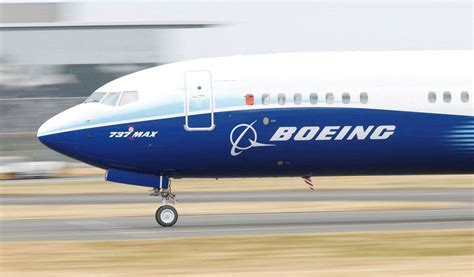
The nose of a commercial aircraft plays a critical role in its aerodynamic behavior, particularly at transonic speeds, the regime where modern airliners cruise—just below the speed of sound. Contrary to expectations, a more rounded nose is generally more aerodynamically efficient in this flight regime. Yet Boeing has consistently retained sharper, more tapered nose cones, especially evident on models such as the 707, 727, 737, and 757. This legacy dates back to the early age of jetliners in the 1950s and 60s, when wind tunnel testing was the principal design validation tool, and engineers favored proven geometries. The resulting streamlined radome became a Boeing hallmark, emphasizing reduced wave drag at higher Mach numbers.
Historical Momentum and Brand Identity in Boeing’s Design Choices
Boeing’s adherence to a pointed nose isn’t just about aerodynamics; it’s deeply tied to engineering familiarity and manufacturing legacy. Having achieved early successes with models like the 707 and 727, Boeing engineers cultivated extensive expertise in shaping and building these narrow radomes. As new aircraft were developed, Boeing found little incentive to diverge from a design that was both proven and easily integrated into cockpit manufacturing and radar housing. More importantly, consistency in nose design served a subtle yet effective branding purpose—a visual signature that differentiated Boeing from Airbus, reinforcing identity across its fleet.
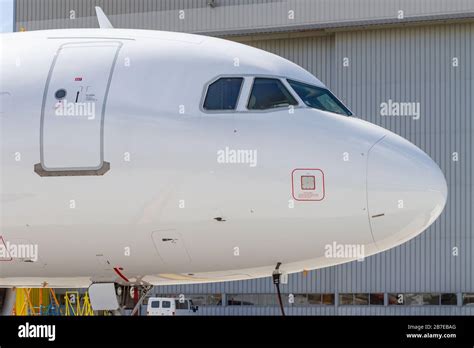
Meanwhile, Airbus, formed decades later, approached aircraft design with the advantage of early computer modeling and a clean slate. Beginning with the A300 and A310, Airbus emphasized a philosophy centered on ergonomic cockpit space, avionics accessibility, and maintenance efficiency. These goals naturally lent themselves to a bulbous, rounded nose cone, allowing larger internal volume for electronics and wiring. Notably, this design also improved pilot visibility during descent and landing, enhancing operational safety.
Divergent Design Philosophies Shaped by Speed and Utility
A key factor influencing nose geometry lies in cruise speed and aircraft type. Boeing’s legacy jets were optimized for higher Mach numbers, especially the early 707 and 727, which cruised faster than many modern widebodies. A sharper nose helps mitigate wave drag at these speeds, making Boeing’s design favorable in that historical context. However, as flight speeds stabilized in the Mach 0.78 to 0.85 range for most airliners, the efficiency edge shifted slightly toward more voluminous, rounded noses—like those seen on Airbus aircraft.
The Airbus strategy wasn’t just technical—it also prioritized fleet-wide cockpit commonality. Models from the A320 to the A380 share similar cockpit layouts and nose contours, simplifying pilot training and enhancing airline flexibility. Larger noses allowed for a unified avionics arrangement, contributing to Airbus’s cost-effective operational model.
A New Hybrid: Boeing 787 and Evolving Nose Aesthetics
The Boeing 787 Dreamliner marks a distinct evolution in Boeing’s nose design philosophy. It features a more blended and organic nose shape, closer to that of Airbus, yet distinctly its own. This design shift likely reflects a convergence of advanced aerodynamic modeling, new composite materials, and a drive for fuel efficiency. Engineers drew inspiration from earlier but unorthodox designs such as the DH.106 Comet, which had a long sloped nose aiding in visibility and airflow smoothness.
This development suggests that aerodynamics is trumping legacy aesthetics, at least for newer aircraft. If Boeing’s next-generation jet, the anticipated “797,” ever sees production, it may continue this trend toward hybridized, efficiency-optimized nose profiles, marking the end of the sharp-beaked legacy.
Nose Shape: Symbolic Yet Secondary in Aircraft Performance
Despite the noticeable differences, nose shape contributes relatively little to total aircraft performance when compared to factors like wing design, engine efficiency, or composite fuselage materials. For example, the adoption of newer wings on the A330neo or the 777X yields far greater aerodynamic and fuel-efficiency gains than any nose redesign could offer. Still, nose geometry remains a potent visual identifier. For passengers, spotting the beaked nose of a Boeing 737 versus the dolphin-like Airbus A320 nose offers a glimpse into aviation’s deep design divide.
In practical terms, the nose houses weather radar, with design implications for maintenance access and sensor volume. Airbus noses offer more room, facilitating easier radar upgrades and system checks. Meanwhile, Boeing’s smaller radomes reflect a philosophy of compact precision and legacy continuity. Yet for both manufacturers, consistency within fleets is paramount, ensuring standardized training, avionics layouts, and maintenance routines.
Conclusion: More Than Just a Matter of Shape
The pointed noses of Boeing aircraft and the rounded contours of Airbus jets are far more than stylistic quirks. They are products of differing histories, engineering constraints, and brand philosophies. Boeing’s sharp noses speak to a legacy of high-speed optimization and manufacturing continuity, while Airbus’s rounder designs highlight a modern, systems-driven approach prioritizing cockpit commonality and ergonomic space. In the age of computational fluid dynamics and evolving materials, these shapes may converge, but the distinct visual identity they’ve fostered will endure for years to come.