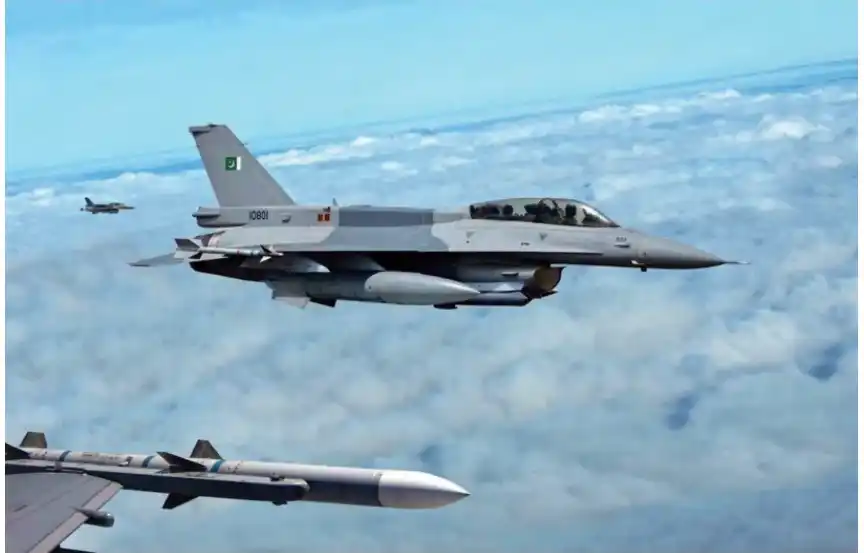
The F-16 Fighting Falcon, a versatile multirole fighter, has been a key asset in various air forces worldwide since its introduction. One of the most critical factors in assessing its effectiveness is its combat radius, which directly influences mission success. The F-16’s combat radius varies based on mission type, fuel load, weapon payload, and operational flight profile. This article provides a detailed analysis of the F-16’s combat range across different mission configurations, real-world case studies, and recent upgrades enhancing its operational reach.
Combat Radius Across Different Missions
Ground Attack Missions
The F-16’s combat radius for ground attack operations can range from 440 km to 1,400 km depending on several factors:
- Heavy weapon payload reduces range due to increased weight and higher fuel consumption.
- Flight altitude and profile impact efficiency, where low-altitude penetration consumes more fuel, while high-altitude cruise extends range.
- Air-to-air refueling significantly extends operational reach beyond standard combat limits.
For example, when carrying precision-guided munitions such as JDAMs or AGM-88 HARM missiles, the aircraft’s radius may lean towards the lower end of this spectrum. However, optimized fuel and weapon configurations allow a maximum ground-attack radius of approximately 1,400 km.
Air Superiority and Interception Missions
Air-to-air combat missions demand flexibility in range and endurance. The F-16 demonstrates:
- 900 km combat radius in interception roles, where speed and rapid response are prioritized.
- 700 km combat radius for air patrol missions, balancing endurance with potential engagement scenarios.
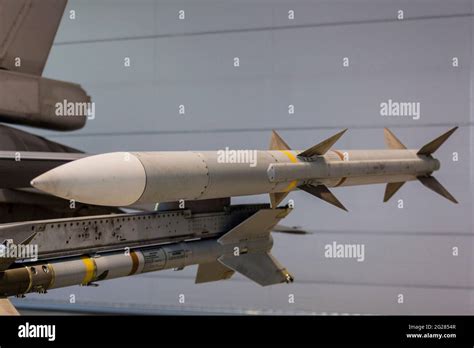
These figures account for standard configurations without external refueling. When equipped with long-range AIM-120 AMRAAM missiles, pilots must strategically manage fuel to maintain maneuverability and combat persistence.
Ferry Range and Extended Mission Capabilities
The F-16’s ferry range—the maximum distance it can travel between airbases without engaging in combat—is a critical factor in strategic mobility:
- 1,825 km range with internal fuel alone.
- Up to 3,800 km with three external fuel tanks, as seen in the F-16AM/BM upgrades used by Denmark.
These figures illustrate the jet’s adaptability in deployment scenarios, allowing rapid relocation between theaters of operation.
Key Factors Influencing Combat Radius
Weapon and External Fuel Load
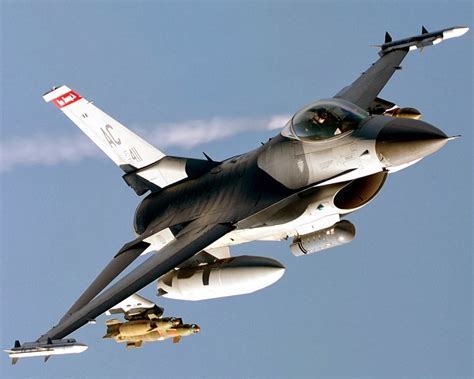
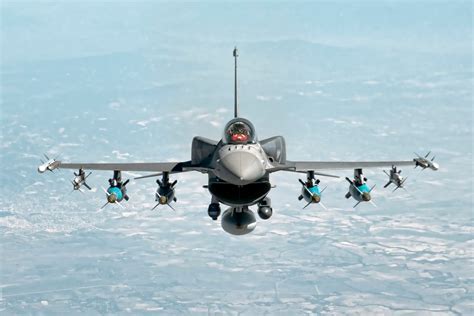
The F-16 features nine external hardpoints, enabling a mix of fuel tanks, air-to-ground munitions, and air-to-air weaponry. Configurations affecting combat radius include:
- AIM-120 AMRAAM and AIM-9 Sidewinder: Primarily used in air superiority missions, reducing fuel consumption compared to ground attack loads.
- AGM-65 Maverick, AGM-88 HARM, and JDAM bombs: Impact range due to added weight and aerodynamic drag.
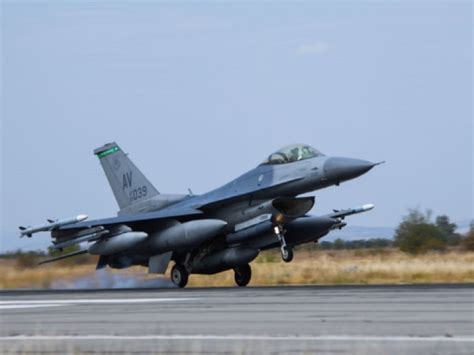
- Drop tanks (370-gallon and 600-gallon variants): Extend mission duration by increasing available fuel.
Engine Performance and Variants
Different F-16 variants employ distinct powerplants that influence combat radius:
- F100-PW-100 (early models, F-16A/B): Standard engine offering moderate fuel efficiency.
- F110-GE-129 (F-16C Block 50 and later models): Provides improved thrust-to-weight ratio, indirectly optimizing range and mission efficiency.
Later F-16V models incorporate advanced fuel management systems, ensuring better utilization of available onboard fuel.
Real-World Combat Performance
Gulf War (1991) – Long-Range Strike Operations
During Operation Desert Storm, the F-16 executed deep strike missions against Iraqi targets. By equipping external fuel tanks and precision-guided munitions, the aircraft effectively engaged high-value enemy assets at the upper limits of its combat radius.
Operation Opera (1981) – Israeli Air Force Mission
The Israeli Air Force (IAF) conducted a long-range strike against Iraq’s Osirak nuclear reactor. F-16s completed a trans-regional attack by incorporating mid-air refueling, showcasing the aircraft’s adaptability in extended-range engagements.
NATO Deployments – Extended Air Patrol Missions
Modern NATO F-16 squadrons have optimized patrol endurance through efficient fuel management and data-link coordination. This approach allows for persistent presence over strategic zones, reinforcing air dominance.
Upgrades and Enhancements Impacting Range
Mid-Life Upgrades (MLU) and Avionics Improvements
F-16 variants, including the F-16AM/BM used by Denmark, have undergone significant upgrades:
- AN/APG-66V2 radar and Link-16 data-link integration.
- Mission planning software enhancements leading to better fuel efficiency and increased mission range.
F-16V (Viper) – The Most Advanced Variant
The latest F-16V configuration features:
- AN/APG-83 AESA radar, optimizing mission targeting.
- Advanced fuel management system, balancing combat radius with mission objectives.
- Digital flight controls, reducing pilot workload and improving endurance strategies.
These advancements do not necessarily increase raw fuel capacity but refine mission efficiency, enabling greater operational flexibility within the existing combat radius envelope.
Conclusion
The F-16 Fighting Falcon demonstrates an adaptable combat radius shaped by mission type, payload, and fuel configurations. Its multi-role nature allows strategic modifications to optimize reach and effectiveness. Whether performing deep strike missions, aerial patrols, or air superiority engagements, the F-16 remains a highly effective platform due to its superior maneuverability, fuel efficiency, and compatibility with modern refueling strategies.
Frequently Asked Questions (FAQ)
1. How does air-to-air refueling affect the F-16’s combat radius?
Air-to-air refueling significantly extends the F-16’s operational range, allowing missions far beyond its standard combat radius. This capability is essential for long-distance strikes and extended air patrols.
2. What is the difference between ferry range and combat radius?
Ferry range refers to the maximum distance an aircraft can fly without engaging in combat, typically with external fuel tanks. Combat radius is the maximum distance it can travel from base while still having fuel for a return trip after mission execution.
3. Which F-16 variant has the longest combat radius?
The F-16V (Viper), with its improved fuel management and mission planning systems, offers the most optimized combat radius. However, external fuel tank configurations and mission-specific loadouts play a more significant role in determining range than the aircraft variant alone.