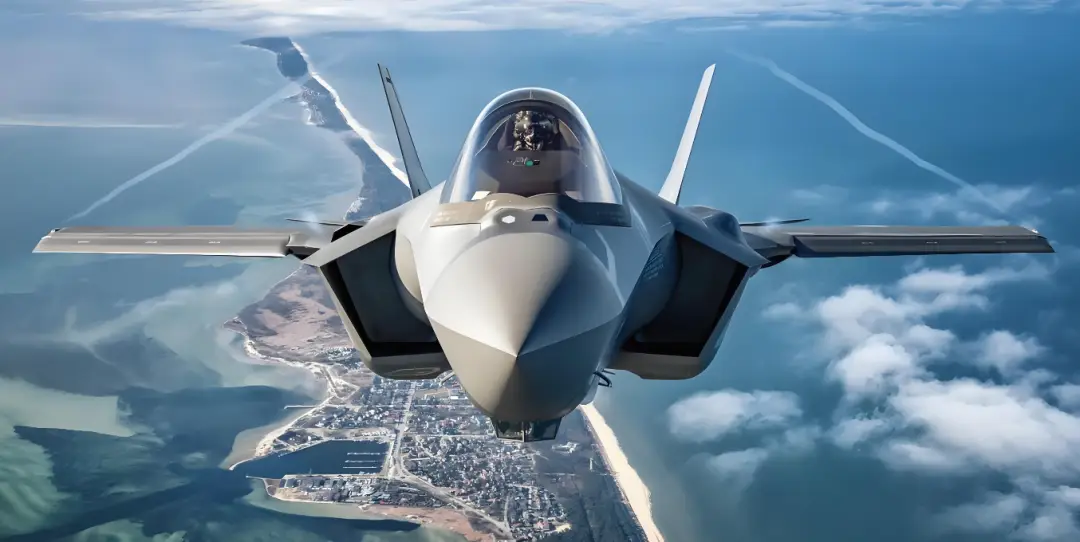
The F-35 Lightning II represents the apex of fifth-generation multirole stealth fighter technology, developed under the Joint Strike Fighter (JSF) program by Lockheed Martin. It exists in three primary variants—F-35A, F-35B, and F-35C—each uniquely tailored to meet the operational requirements of the U.S. Air Force, U.S. Marine Corps, and U.S. Navy, respectively. While the platform’s stealth, avionics, and sensor fusion have redefined modern aerial combat, one of the most critical operational metrics remains its combat radius—the distance it can fly into contested territory, engage targets, and return without refueling.
The F-35’s combat radius is not a static figure but varies significantly based on mission configuration, variant, payload loadout, and tactical requirements. This article offers a detailed analysis of how the F-35’s range performance translates into real-world tactical advantage and operational flexibility.
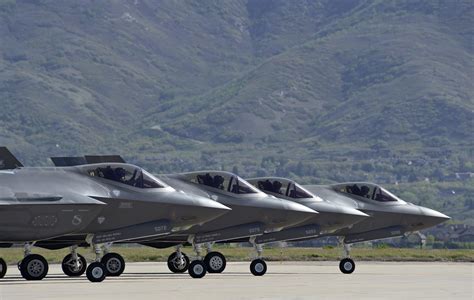
F-35A Combat Radius: Long Reach for Land-Based Dominance
The F-35A, the Conventional Takeoff and Landing (CTOL) variant, offers the greatest combat radius of all three models. Built primarily for the U.S. Air Force, it features an internal fuel capacity of 18,498 lbs (8.2 tons) and benefits from the F135-PW-100 engine, delivering a thrust-to-weight ratio of 0.61 without afterburner.
In optimal conditions, the F-35A can achieve a combat radius of approximately 1,081 km (670 miles). For air-to-air missions, where stealth is preserved via internal weapons carriage and minimal maneuvering at subsonic speeds, the combat radius stretches to 1,410 km (760 nautical miles). However, in anti-ship or strike missions involving external payloads such as Long-Range Anti-Ship Missiles (LRASM), the radius drops to 1,130 km (610 nautical miles) due to increased drag and radar cross-section.
Despite this variance, the F-35A remains ideal for deep strike missions, air superiority patrols, and electronic warfare operations from established air bases, especially in European or Indo-Pacific theaters.
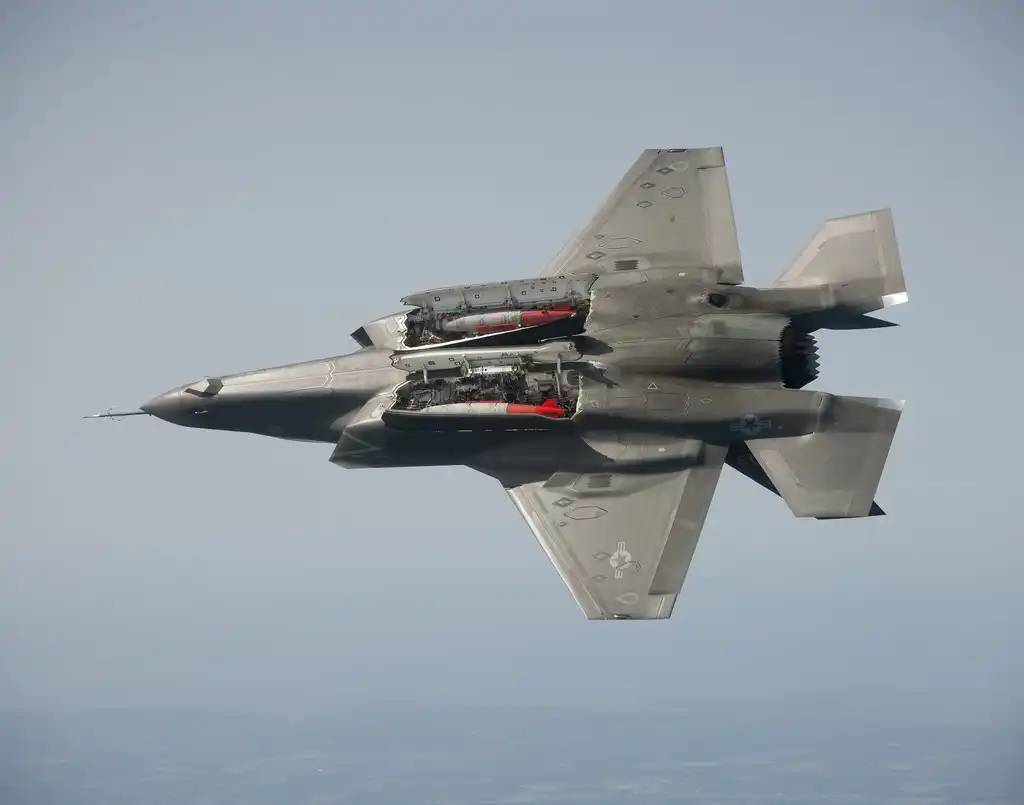
F-35B Combat Radius: Vertical Mastery with Range Trade-Off
Designed for the U.S. Marine Corps and allied navies, the F-35B features Short Takeoff and Vertical Landing (STOVL) capability, enabling operations from amphibious assault ships, expeditionary airfields, and short runways.
This engineering marvel, however, comes with a cost: its internal fuel capacity is limited to 13,326 lbs (6.2 tons), reducing its combat radius to 833 km (450 nautical miles). While it can still execute close air support (CAS) and tactical strike missions, the B variant lacks the reach necessary for long-range interdiction without aerial refueling or forward deployment.
Nonetheless, the F-35B’s strength lies not in endurance but in mobility and flexibility. It empowers militaries to rapidly project fifth-generation airpower without the infrastructure demands of long runways.
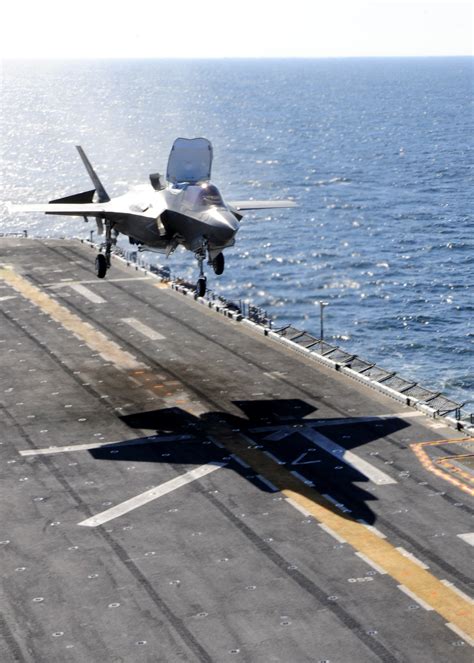
F-35C Combat Radius: Carrier-Borne Reach With Constraints
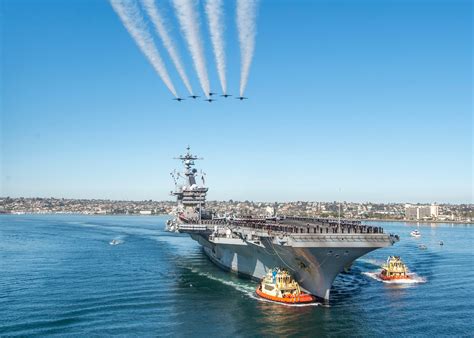
The F-35C, optimized for catapult launches and arrested carrier landings, is the Navy’s answer to maritime stealth air superiority. It features the largest wingspan (13.1 meters), robust landing gear, and reinforced airframe for enduring high-stress carrier operations. These structural changes increase fuel capacity beyond the F-35B, yet ironically, combat radius ranges from 740 km to 1,100 km (400–600 nautical miles)—less than the F-35A.
This seemingly paradoxical performance stems from operational demands: catapult launches, high-deck angles, and payload carriage limit effective range. However, within naval doctrine, the F-35C excels at network-centric warfare, maritime interdiction, and fleet defense, supported by aerial refueling from carrier strike group tankers.
Key Factors Influencing Combat Radius
The discrepancy in combat radius across the three variants stems from several interrelated technical and tactical factors:
Stealth vs. Payload Configuration
All F-35s are designed with internal weapon bays to maintain low observable profiles. However, missions requiring heavy or long-range ordnance (like external fuel tanks or anti-ship missiles) necessitate mounting weapons externally. This increases aerodynamic drag and radar cross-section, reducing stealth and cutting range by up to 30%. Pilots and mission planners must constantly balance stealth, payload capacity, and mission endurance.
Fuel Consumption and Engine Efficiency
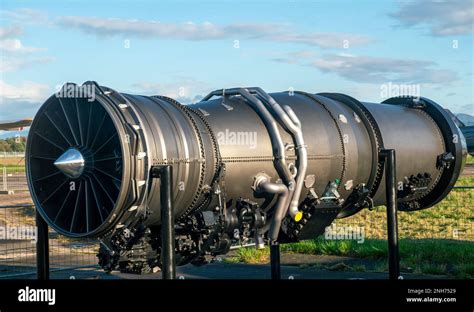
The F135 series engines, while powerful, exhibit differing fuel burn rates depending on altitude, speed, and afterburner usage. Low-altitude penetration missions—necessary in some strike profiles—demand higher fuel consumption, significantly reducing operational range. Conversely, loitering at high altitude with internal weapons in air policing roles preserves fuel.
Mission Profile and Tactical Planning
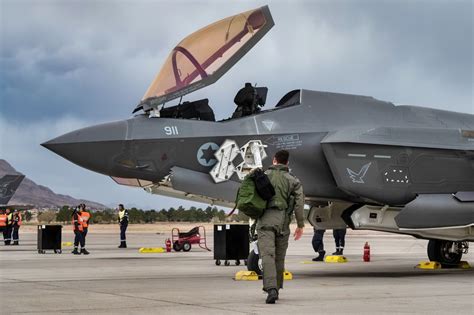
Combat radius is heavily dependent on mission planning—including ingress route, altitude profile, threat environment, and loiter time. For instance, an F-35C conducting a combat air patrol (CAP) near a carrier group will operate more efficiently than an F-35B tasked with a deep inland strike requiring terrain masking and full afterburner on egress.
In recent years, nations like Israel, operating the customized F-35I “Adir”, have integrated indigenous mission software to optimize fuel usage and strategic planning algorithms, potentially enhancing range efficiency by 12%.
Comparative Combat Radius Analysis
To better understand the operational capabilities of the F-35 fleet, we compare the combat radius across all variants, alongside key advantages and inherent trade-offs:
| Variant | Combat Radius (km) | Key Strengths | Limitations |
|---|---|---|---|
| F-35A | 1,081–1,410 | Longest range, optimal for land-based operations | Not carrier-capable |
| F-35B | 833 | Vertical landing, expeditionary readiness | Shortest range, smallest fuel load |
| F-35C | 740–1,100 | Carrier operations, robust structure | Complex logistics, lower stealth with external stores |
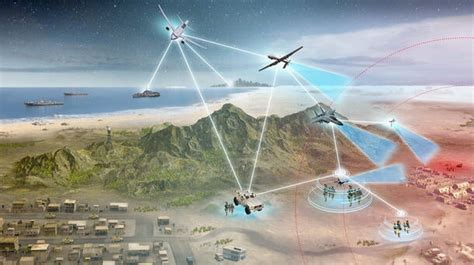
While China’s J-35 claims a combat radius of 1,350 km, exceeding that of the F-35C, the figures remain unverified. Additionally, range alone cannot define platform superiority. The F-35’s edge lies in its sensor fusion, seamless inter-platform data sharing, and ability to function as a battlefield information node. In that regard, its range limitations are often mitigated through networked warfare.
Extending the F-35’s Reach Through Aerial Refueling
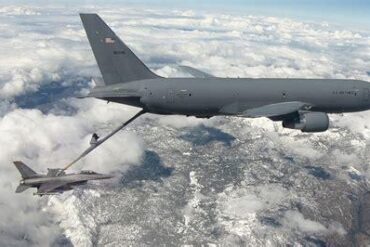
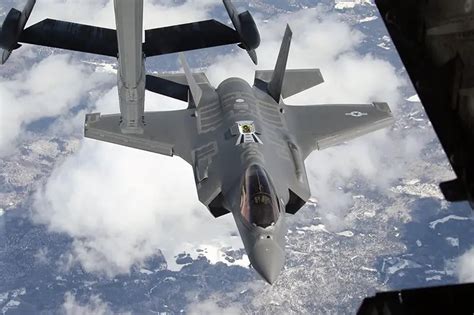
Though the F-35 is not designed for long-range strategic bombing, its in-flight refueling capability allows combat radius extension. All three variants are compatible with boom-type or probe-and-drogue systems, depending on configuration.
Tactically, F-35s rely on KC-135, KC-10, or KC-46 Pegasus tankers in USAF operations, and MQ-25 Stingray in naval contexts, ensuring that missions deep into contested airspace remain viable even with internal fuel limitations.
Strategic Implications and Future Developments
Critics argue that the F-35’s combat radius is insufficient compared to legacy platforms like the F-22 Raptor, which boasts a combat radius of 1,600 km. However, this analysis omits the F-35’s multirole nature—acting as strike fighter, electronic warfare platform, and recon node. The increased interoperability across NATO allies, cloud-based mission data sharing, and stealthy presence ensure that even with reduced range, the F-35 reshapes battlefield dominance.
Efforts are underway to increase future range performance, including:
- Development of conformal fuel tanks.
- Mission software optimization (already fielded in Israeli squadrons).
- Integration with loyal wingman drones to extend reach and sensor coverage.
FAQs
What is the maximum combat radius of the F-35A?
The F-35A can reach up to 1,410 km (760 nautical miles) in optimized air-to-air missions with minimal payload and full internal fuel use. For typical combat operations, it averages 1,081 km.
Why does the F-35B have the shortest range?
The F-35B is equipped with a lift fan and modified structure for vertical landing, reducing its internal fuel capacity to 6.2 tons. This design trades endurance for operational flexibility, ideal for forward-deployed Marine Corps operations.
How is the combat radius affected by external weapons?
Carrying weapons on external pylons introduces aerodynamic drag and radar signature, reducing combat radius by up to 30%. Missions that prioritize stealth retain weapons internally to preserve range and signature suppression.
This detailed overview underscores the operational versatility and strategic depth the F-35 offers across service branches. While not invulnerable to limitations in range, its design philosophy transcends raw numbers—prioritizing survivability, coordination, and lethality in contested airspace.