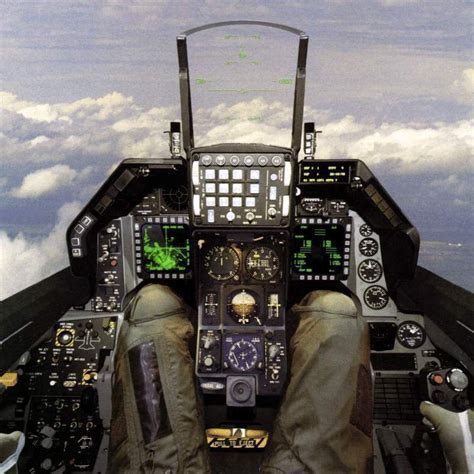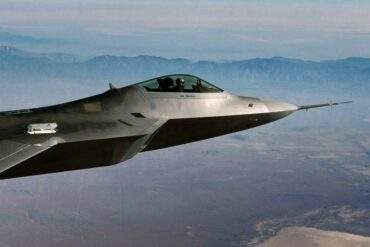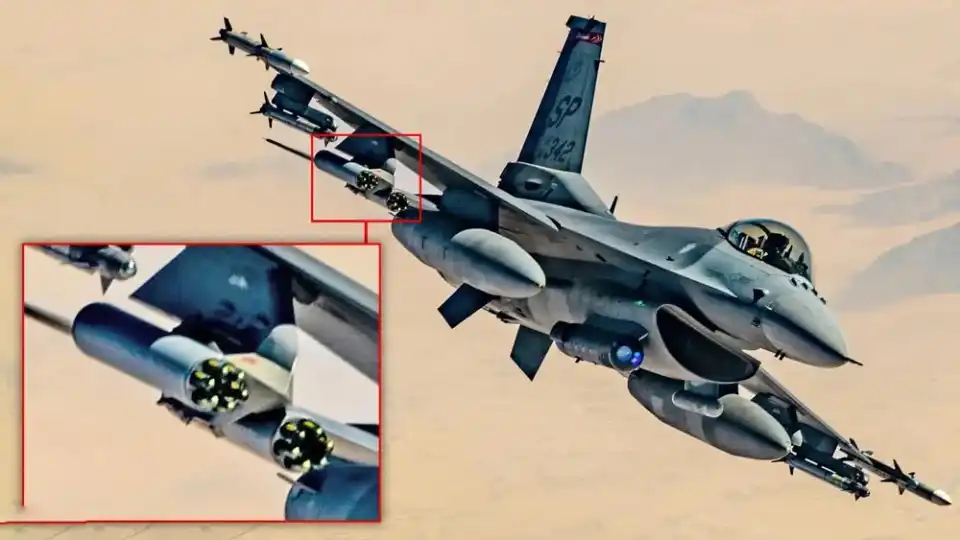
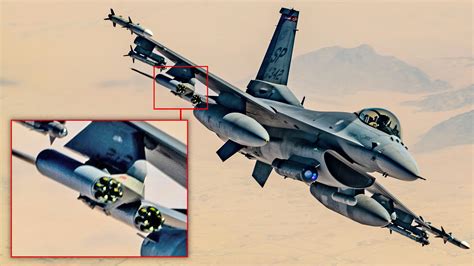
The F-16 Fighting Falcon is one of the most widely used multirole fighter aircraft in the world. Among its formidable arsenal, the M61A1 Vulcan 20mm rotary cannon stands out as a crucial component of its close-range combat capabilities. Designed for both air-to-air and air-to-ground engagements, this cannon has proven its worth in numerous combat scenarios.
M61A1 Vulcan: Engineering and Capabilities
Design and Specifications
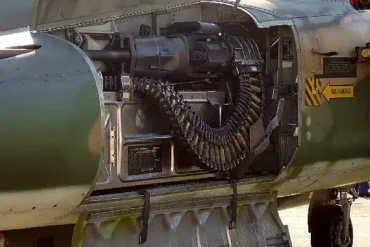
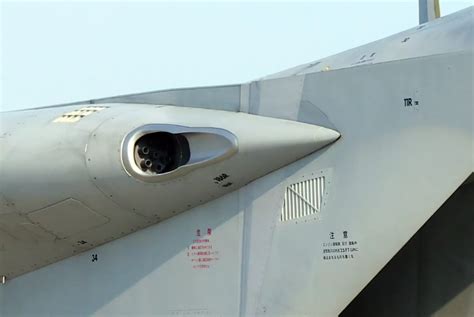
The M61A1 “Vulcan” cannon is a six-barrel, Gatling-style rotary weapon installed in the left-wing root of the F-16. It operates at an astounding rate of fire of 6,000 rounds per minute, ensuring that even a short burst delivers immense destructive power. The cannon is fed by a 511-round ammunition drum, enabling pilots to fire multiple bursts before exhausting their supply.
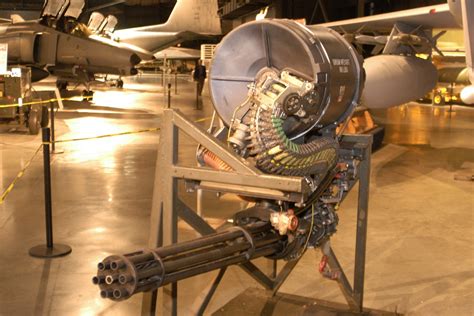
Key specifications include:
- Caliber: 20mm
- Rate of Fire: 6,000 rounds per minute
- Ammunition Capacity: 511 rounds
- Muzzle Velocity: Approximately 1,050 m/s (3,445 ft/s)
- Weight: 112 kg (247 lbs) without ammunition
The M61A1 Vulcan utilizes electrically driven rotating barrels, reducing barrel wear and overheating while ensuring sustained firepower. The high muzzle velocity and precision targeting make it an effective tool for both dogfighting and ground attacks.
Tactical Application of the F-16 Cannon
Air-to-Air Combat
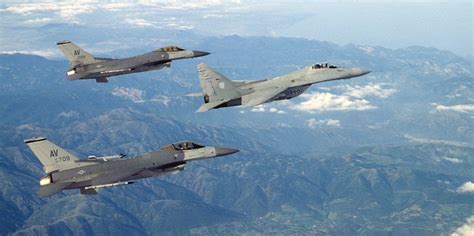
Although modern beyond-visual-range (BVR) combat relies heavily on missiles, the F-16’s cannon remains a vital last-resort weapon. In close-range engagements (dogfighting), where maneuverability is critical, the Vulcan cannon can be a decisive factor.
Notable operational instances include:
- Dogfights where missiles are ineffective: If a heat-seeking missile fails to track its target or runs out of fuel, pilots can switch to the cannon for a gun kill.
- Enemy aircraft evading missile locks: A highly maneuverable opponent, such as a Su-35, may evade radar-guided AIM-120 AMRAAM missiles, leaving the cannon as a viable backup weapon.
Air-to-Ground Engagements
The M61A1 cannon is also effective in ground attack missions, particularly for strafing soft targets such as:
- Infantry positions
- Light armored vehicles
- Enemy supply convoys
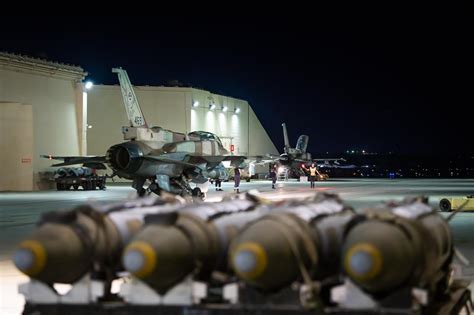
During low-altitude close air support (CAS) operations, F-16 pilots often rely on the Vulcan cannon to provide precise, suppressive fire. This is especially useful when supporting ground troops in urban warfare scenarios where guided missiles might cause excessive collateral damage.
Combat Performance and Historical Usage
Middle East Engagements
F-16s have seen extensive use in the Middle East, particularly in operations over Iraq, Syria, and Afghanistan. In certain instances, pilots have had to engage enemy drones or ground targets using the Vulcan cannon after expending their missiles.
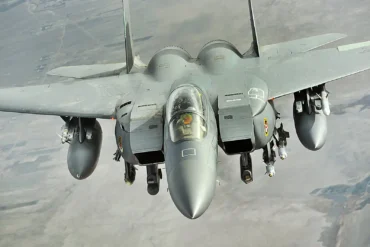
One notable event involved an F-15E Strike Eagle crew attempting to shoot down a drone with its M61A1 cannon after using up its air-to-air missiles. This scenario highlighted the importance of a backup weapon system in aerial combat.
Pakistan’s Use of the F-16 Cannon
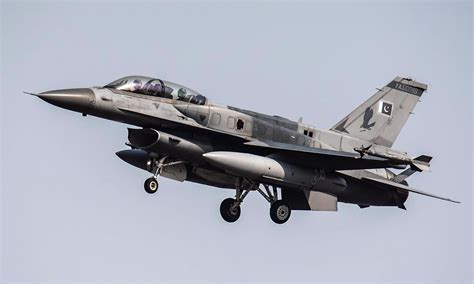
During the 1980s Soviet-Afghan War, Pakistan’s F-16 fleet engaged Soviet aircraft, utilizing their M61A1 cannons with high precision. However, after the U.S. imposed arms sanctions, a lack of spare parts made maintenance difficult, reducing operational readiness.
Limitations and Tactical Considerations
While the Vulcan cannon is an excellent backup weapon, it has several limitations:
- Limited ammunition: With only 511 rounds, sustained fire is not possible, requiring pilots to be precise with their shots.
- Short effective range: The cannon is only effective at distances of 1,200 to 2,000 meters, making it less useful in long-range engagements.
- Modern countermeasures: Advanced fighter jets, such as the Su-35 and Su-57, are equipped with electronic warfare systems and maneuverability that make them difficult to hit with gunfire alone.
Future Upgrades and Enhancements
Avionics and Targeting Systems
Modern F-16 variants, including the F-16V (Block 70/72), feature enhanced fire control systems, allowing for more accurate aiming of the M61A1 cannon. This includes:
- Helmet-Mounted Cueing Systems (HMCS): Enables pilots to engage targets simply by looking at them.
- Advanced Electro-Optical Targeting Pods: Such as the Sniper XR pod, improving precision targeting for ground strikes.
Alternative Weapon Systems
While the M61A1 remains a staple, newer weapon systems may gradually reduce its prominence in aerial combat. Potential alternatives include:
- Directed Energy Weapons (DEWs): Future laser-based weaponry could provide unlimited ammunition, as long as sufficient power is available.
- High-speed smart projectiles: Advancements in guided munitions could enhance gun-based engagements.
Conclusion
The M61A1 Vulcan cannon remains an integral part of the F-16’s arsenal, providing close-range lethality in both air-to-air and air-to-ground missions. While its role has diminished in favor of missiles and precision-guided munitions, it continues to serve as a reliable last-resort weapon. Future enhancements in targeting technology and gun-based systems may further improve its effectiveness in modern warfare.
Frequently Asked Questions
1. How effective is the F-16’s M61A1 Vulcan cannon in modern air combat?
The M61A1 is highly effective at close range but is primarily used as a backup weapon. Modern air combat relies more on missiles, but the cannon remains valuable in dogfights and ground attack missions.
2. Can the F-16’s cannon shoot down enemy aircraft?
Yes, but with limitations. The cannon is effective at short distances but requires precise aiming. Most aerial kills are achieved with missiles, but in a dogfight scenario, a skilled pilot can score a gun kill.
3. How many rounds does an F-16 carry for its cannon?
The F-16 carries 511 rounds for the M61A1 Vulcan. At a rate of fire of 6,000 rounds per minute, this translates to about five seconds of continuous fire, making shot discipline critical.