The European Union has embarked on a significant defence innovation initiative, launching a €15 million study under the European Defence Fund 2026 to conceptualize a Future Multirole Light Aircraft (FMLA). The effort addresses aging aircraft fleets across the continent and aims to modernize light combat aviation capabilities suited for low-intensity conflict, surveillance, and multi-role flexibility in diverse operational environments.
Strategic Motivation Behind the FMLA Program
For decades, Europe’s light aircraft fleets have served valiantly, but many are now approaching 30 to 40 years of service. With airframes aging and maintenance costs climbing, European nations face a crucial capability gap that threatens both operational readiness and strategic autonomy. The FMLA initiative, as a cooperative pan-European project, aims to close this gap by delivering a cost-effective, modern, and mission-adaptable platform tailored for emerging threats and hybrid warfare environments.
Rather than initiating full-scale production, the 2026 effort is strictly focused on design and research studies. This calculated approach ensures the final product reflects the diverse needs of EU Member States while avoiding the pitfalls of fragmented, duplicative efforts across different defense sectors.
Tactical Vision: Versatility in Combat and Peace
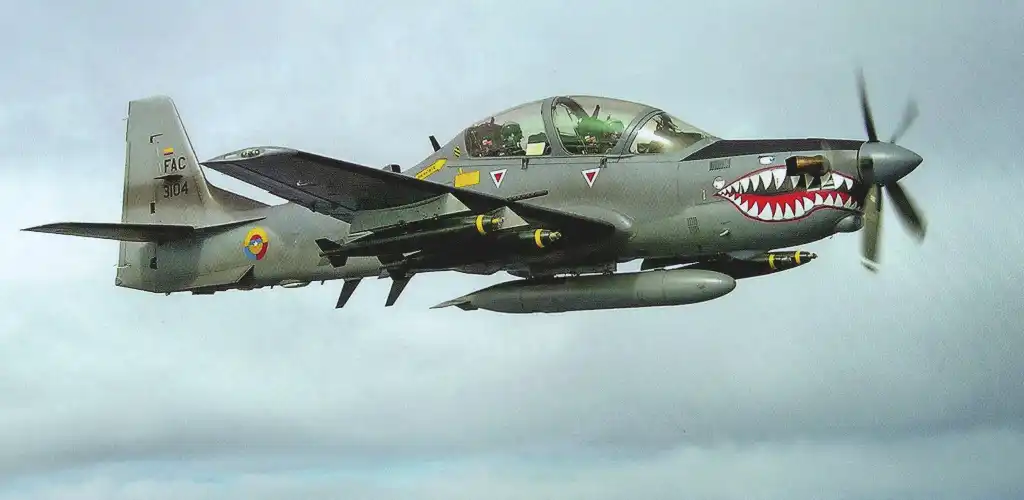
The envisioned FMLA is a light turboprop aircraft engineered for a spectrum of operational demands. In contrast to expensive fourth- and fifth-generation jets, the FMLA targets scenarios where high-intensity air combat isn’t required but persistent presence and flexibility are crucial. These include:
- Light attack missions
- Close air support (CAS)
- Drone interception roles
- Air strike coordination and reconnaissance (SCAR)
- Forward air controller support
- ISR (Intelligence, Surveillance, Reconnaissance)
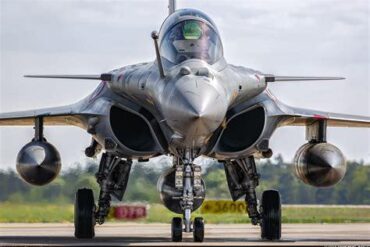
Its relevance is particularly acute in asymmetric warfare environments, such as counter-insurgency operations or border surveillance, where deploying fast jets like the Rafale or Eurofighter would be logistically excessive and economically unsound.
The FMLA is envisioned as rugged and austere-field capable, operating from unprepared runways in terrains ranging from mountainous zones and deserts to icy or tropical environments, offering persistent presence in geographies where infrastructure is sparse or conflict zones are remote.
Design Objectives: Stealth, Survivability, and System Resilience
The project scope prioritizes a suite of modern survivability features, without escalating into the cost and complexity range of traditional fighter aircraft. Primary considerations include:
- Reduced radar cross-section, utilizing advanced coatings and structural shaping
- Resilience to electromagnetic pulses (EMP) and compatibility with electromagnetic spectrum warfare
- High-durability materials to withstand extreme heat, dust, salt, humidity, and cold
- Short takeoff and landing (STOL) functionality
- Integrated encrypted communication and ISR systems
These technologies will be assessed purely in conceptual and feasibility studies, avoiding any prototyping or hardware development at this stage. The aircraft’s modular design will allow quick reconfiguration between missions, and the integration of cockpit autonomy technologies may support single-pilot operations—an efficiency multiplier in contested or high-tempo environments.
Certification and Performance Benchmarks
The aircraft is targeted for EMAR 21 certification (European Military Airworthiness Requirements), with an expected maximum takeoff weight under 7,500 kg. Its structure must support:
- A rear or side cargo door with ramp access
- Flight into known icing conditions
- Operation in both permissive and denied GNSS environments
- Compatibility with current and future tactical data and communication networks
Operational adaptability is also crucial. The platform must rapidly shift from military to civil protection duties such as:
- Search and rescue
- Disaster relief missions
- Border patrol and surveillance
- Support to EU civil security operations
This dual-use capability is a critical pillar in ensuring cost-efficiency, maximizing returns across both military and civil domains.
Planning and Roadmapping the FMLA Path Forward
The European Commission has outlined mandatory study deliverables including:
- A comprehensive architectural concept of the aircraft
- Feasibility studies that validate cost, functionality, and timeline estimates
- Comparative analysis of life-cycle maintenance and operational expenses
- End-user driven requirement mapping and functional mission needs
- Assessment of technologies for rapid reconfiguration and man-unmanned teaming
- Collaborative analysis of replacement needs across European fleets
In addition to baseline work, optional studies may cover:
- Programmatic and market feasibility assessments
- Environmental and risk analyses
- Identification of implementation barriers and supply chain risks
These studies aim to reach a Preliminary Requirements Review (PRR) milestone, which will validate the project’s strategic, technical, and industrial feasibility. A key outcome will be the reference configuration selection—the aircraft concept that aligns most efficiently with European defense and industrial policy priorities.
European Defense Integration and Industrial Collaboration
Beyond technology and military performance, the FMLA represents an instrument for broader European strategic alignment. The program is being positioned as a catalyst for:
- European defense supply chain consolidation
- Enhanced interoperability among Member States
- Inclusion of SMEs and national aerospace sectors
- Stimulating innovation ecosystems within EU defense industries
The platform is also designed to be export-friendly, offering a versatile and budget-conscious option for partner nations with limited access to high-end combat aircraft. The exportability, aligned with European values and security regulations, opens avenues for enhanced EU defense diplomacy.
Closing the Gap: From Concept to Capability
While no prototyping or certification efforts are currently funded, the FMLA’s design study is a foundational effort that may lead to industrial development in the early 2030s. If successful, the aircraft would begin replacing legacy light aircraft fleets across Europe between 2035 and 2040, representing a leap in both performance and affordability.
In modern conflict scenarios—characterized by distributed warfare, low-intensity insurgencies, and counter-terrorism—the need for a fast, rugged, and economically viable light aircraft is undeniable. The European Future Multirole Light Aircraft initiative marks a critical turning point in airpower doctrine, technological standard-setting, and multilateral defense cooperation.
As the continent realigns its military architecture for future conflict realities, the FMLA may well become the standard bearer for Europe’s light airpower resurgence in the decades to come.