Helicopters are among the most versatile flying machines in the world, often seen hovering over cityscapes, mountains, oceans, or even combat zones. While they might appear similar at a distance, military and civilian helicopters are worlds apart in terms of their construction, mission roles, regulatory oversight, and onboard technologies. Understanding these differences not only reveals the purpose behind each rotorcraft but also underscores the complexity and specialization that define modern aviation.
The Backbone of the Build: Materials and Armor
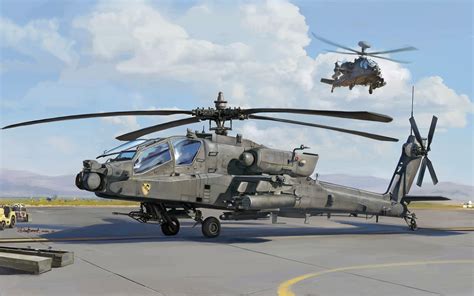
At the core of their divergence lies the fundamental design philosophy of each helicopter. Military helicopters are designed to withstand the harshest combat environments. This means their airframes are reinforced with ballistic-tolerant materials like Kevlar, carbon fiber composites, and in some cases, titanium alloys. These materials are not only lightweight but also capable of absorbing or deflecting small-arms fire. Furthermore, critical components such as fuel tanks and rotor systems are built with crash resistance and redundancy in mind to survive battlefield conditions.
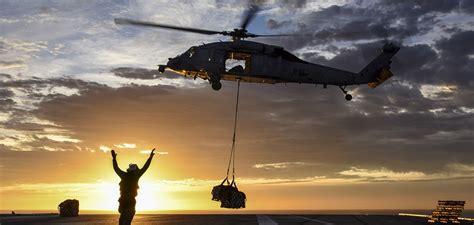
Take for example the UH-60 Black Hawk, one of the most iconic military helicopters in service. Its self-sealing fuel tanks, redundant hydraulic systems, and damage-tolerant rotor blades all serve the singular purpose of keeping the crew and the mission alive in hostile zones.
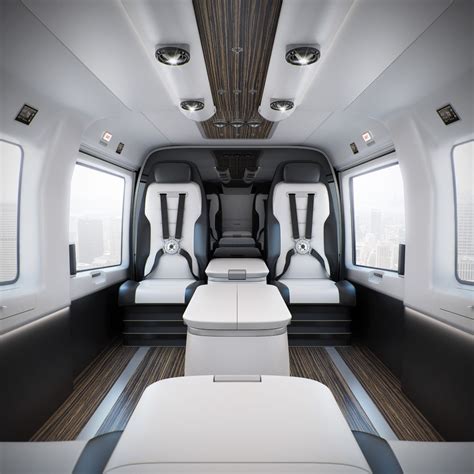
On the other side of the spectrum, civilian helicopters emphasize efficiency, comfort, and cost-effectiveness. Most are made using aluminum alloys and fiberglass composites, materials that are easier and cheaper to manufacture and maintain. While structurally robust, civilian models don’t require armor or battlefield survivability. Instead, the focus is on aerodynamic design, fuel efficiency, and a quieter cabin experience. From plush seating to soundproofing and entertainment systems, everything inside a civilian helicopter is optimized for passenger comfort and safety, not combat resilience.
Purpose-Driven Engineering: Combat vs. Civilian Roles
The most obvious difference between military and civilian helicopters is their intended mission profile. Military helicopters are essentially airborne weapons platforms, with variants purpose-built for specific tasks:
- Attack helicopters like the AH-64 Apache, designed to deliver precision firepower.
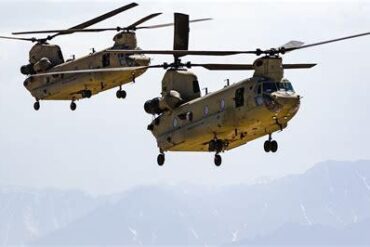
- Transport helicopters such as the CH-47 Chinook, capable of lifting troops, vehicles, and supplies.
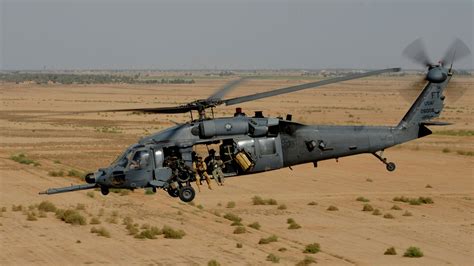
- Medical evacuation (MEDEVAC) variants like the HH-60 Pave Hawk, equipped to retrieve injured personnel from hostile zones.
- Reconnaissance and surveillance platforms loaded with sensors, infrared cameras, and radar systems.
Military choppers may also include electronic warfare suites, countermeasure systems, and covert communications, enabling operations in denied or GPS-jammed environments. Their pilots train in combat flying techniques, including nap-of-the-earth (NOE) flight paths that hug terrain to avoid detection.
Civilian helicopters, by contrast, serve non-combat but equally crucial purposes. These include:
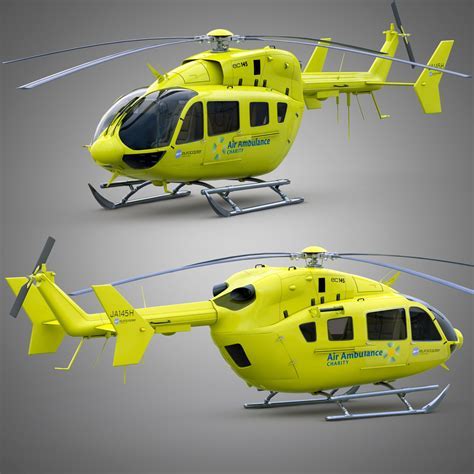
- Air ambulance missions, providing fast medevac and in-transit care.
- Law enforcement and news coverage, often outfitted with searchlights and broadcast equipment.
- VIP and executive transport, including luxury interiors with leather seats, minibars, and onboard entertainment.
- Utility roles like firefighting, agriculture, offshore oil rig servicing, and even aerial crane work.
Each is optimized for fuel efficiency, passenger safety, and smooth operations in regulated airspace, not for surviving missile strikes or anti-aircraft fire.
Cockpit to Sky: Navigation, Avionics, and Crew Interface
A crucial area where the two categories diverge is in their avionics systems and cockpit interface. Military helicopters integrate highly advanced navigation systems, including inertial navigation, military GPS, and even terrain-following radar. They are designed for operations in low-visibility and electronic warfare environments. Pilots rely on helmet-mounted displays, multi-function screens, and heads-up targeting interfaces for situational awareness.
In many cases, military helicopters also have automated threat warning systems, chaff and flare dispensers, and data links to communicate securely with ground and air units. These tools make them resilient and effective in fast-moving combat scenarios.
Civilian helicopters, meanwhile, carry avionics tailored to FAA or EASA compliance. These typically include standard GPS, VHF radios, transponders, and collision avoidance systems (TCAS). High-end VIP helicopters may incorporate glass cockpits and autopilot systems, but their needs are focused on airspace integration, weather awareness, and route safety — not battlefield survivability.
Access to the Skies: Airspace and Regulations
Regulatory frameworks dictate where and how helicopters can fly. Civilian helicopters are governed by strict aviation regulations, such as those imposed by the Federal Aviation Administration (FAA) in the United States or the European Union Aviation Safety Agency (EASA). These rules mandate everything from:
- Flight planning and clearance
- Route adherence
- Air traffic control coordination
- Night and weather operation restrictions
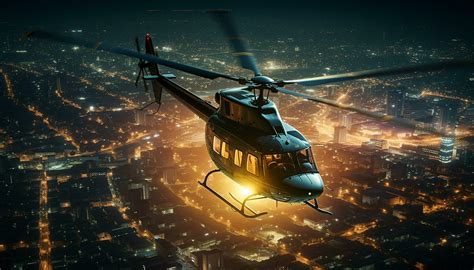
As such, a civilian helicopter flying over New York City or Paris requires meticulous planning, coordination, and clearance. These pilots often avoid congested areas, maintain VFR (Visual Flight Rules) or IFR (Instrument Flight Rules), and remain within civilian-controlled airspace.
Military helicopters, on the other hand, operate under government or military authority, which often grants them priority airspace access, even over restricted or classified zones. Whether it’s training, surveillance, or an active mission, military pilots may bypass conventional restrictions, especially in areas near military bases or during conflict. Their flight plans are often confidential, and coordination is handled within military command structures.
Weapons, Countermeasures, and Tactical Loadouts
Perhaps the starkest contrast between military and civilian helicopters is their armament. Military helicopters are heavily armed, with capabilities that include:
- Air-to-ground missiles (e.g., Hellfire)
- Rocket pods and cannons
- Crew-operated machine guns
- Anti-submarine torpedoes (in naval variants)
They may also carry electronic warfare systems, radar jamming pods, and stealth coatings to reduce radar visibility. Their survivability is enhanced by infrared suppression systems, armor plating, and countermeasure dispensers.
In contrast, civilian helicopters are strictly unarmed by international law, with some exceptions for law enforcement or paramilitary roles, where weapons may be installed under strict jurisdictional rules. But even in those scenarios, the emphasis is on non-lethal tools, such as surveillance cameras, loudspeakers, or restraint systems.
Maintenance, Logistics, and Operational Lifespan
The maintenance demands and operational lifecycles of these helicopters also differ sharply. Military helicopters undergo rigorous inspections, often after every flight, especially in war zones. These checks focus on mission-readiness, combat wear, and tactical upgrades. They are maintained by specialized crews, often within hangars fitted with classified equipment and parts. Operational costs are high, but justified by the defense mission.
Civilian helicopters, particularly those in commercial or medical service, follow scheduled maintenance routines based on flight hours and manufacturer specifications. Downtime is minimized to maintain profitability. Operators focus on cost efficiency, spare parts availability, and maximizing airtime. Aircraft can be in service for decades, with upgrades focused on avionics, noise reduction, or environmental standards.
Legacy and Iconic Models Across Both Worlds
Some helicopters have become cultural icons — symbols of their sector’s excellence. On the military side, aircraft such as the Sikorsky UH-60 Black Hawk, Boeing AH-64 Apache, and CH-53 Sea Stallion represent the cutting edge of tactical aviation. These helicopters are battle-tested, mission-flexible, and globally deployed.
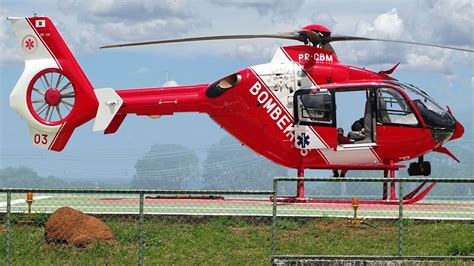
In the civilian domain, models like the Bell 407, Eurocopter EC135, and the AgustaWestland AW139 are among the most trusted. They are used by police forces, news agencies, VIP transport firms, and air medical services around the world.
Conclusion: Two Worlds, One Rotorcraft
While military and civilian helicopters may share a common ancestry and similar flight mechanics, the divergence in their design, missions, technologies, and regulatory environments creates a clear divide. Military helicopters are born for survivability, lethality, and mission dominance. Civilian helicopters are crafted for efficiency, safety, and public utility. Their differences aren’t merely visual — they’re embedded in the very purpose and DNA of their design.
From the battlefield to the city skyline, helicopters continue to evolve, pushing the boundaries of what rotorcraft can achieve in both defense and civil aviation. But no matter their role, they remain a powerful reminder of human ingenuity — and the skies they command.