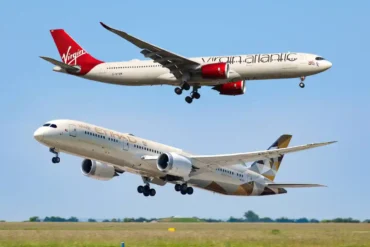
The Boeing 777 and the Boeing 787 Dreamliner are two of the most recognized widebody aircraft in the skies today. Both are built by Boeing in the United States and used by airlines all over the world. While the 787 is often seen as the modern successor to the 777, there’s more to their story than age and model numbers. These two jets are built with different purposes and innovations in mind, and although they share the Boeing brand and twin-engine layout, they vary in quite a few important ways.
In fact, despite the 787’s newer design—it was launched 14 years after the 777—the 777 remains in production and continues to evolve. Airlines often compare them side by side, weighing range, passenger capacity, design, and other specs before choosing one. Some, like Delta Air Lines, even decided to phase out their 777 fleet without introducing the 787, highlighting how unique these aircraft really are.
Let’s take a closer look at five of the biggest differences between these two widebody twinjets.
1. Number of Variants and Launch Timeline
The Boeing 777 program kicked off in 1990, first flying in 1994 and entering service with United Airlines in 1995. The original variant was the 777-200, which later evolved into multiple versions including the -200ER, -200LR, -300, and the extended range -300ER. Each variant was designed to improve performance, range, and fuel efficiency.
In contrast, the 787 Dreamliner was introduced much later, with the program launching in 2004. It took seven years before the 787-8 began commercial service with All Nippon Airways (ANA) in 2011. ANA also became the first to fly the 787-9 in 2014, and Singapore Airlines launched the 787-10 in 2018.
So far, the 777 series has expanded again through the newer 777X program, which includes the 777-8X and 777-9X, while the 787 lineup has remained focused on its original three models.

2. Wing Shape and Aerodynamics
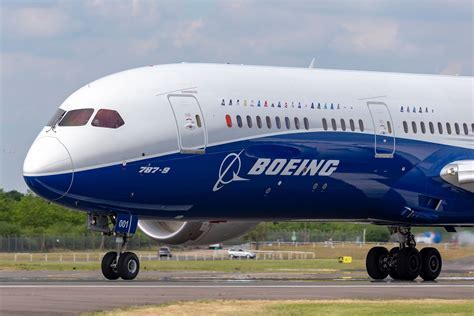
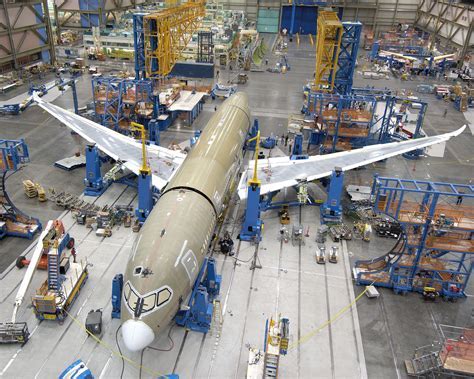
The wings of the 787 are one of its standout features. Designed with a graceful curve that’s especially noticeable during takeoff, the Dreamliner’s wings weren’t just made to look pretty. Their curved design improves airflow and helps reduce drag, which makes the aircraft more efficient. These wings also flex during flight, allowing better performance across various speeds and altitudes.
The 777, on the other hand, was originally built with more traditional, straight wings. However, Boeing introduced extended raked wingtips on newer variants like the 777-200LR and 777-300ER. These tips, extended by around six and a half feet, help reduce takeoff distance, improve climb rate, and lower fuel burn. The upcoming 777X takes things even further with folding wingtips, a feature that’s never been seen before in commercial aviation.
3. Engines and Window Technology
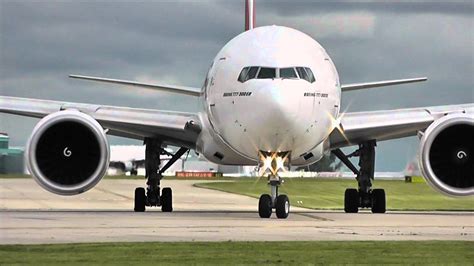
When it comes to power, the 777 leads the way with the GE9X engine—the most powerful commercial jet engine ever built. Designed by General Electric, this engine is built specifically for the 777X series. Earlier 777 models used the GE90, another powerful engine still in use today.
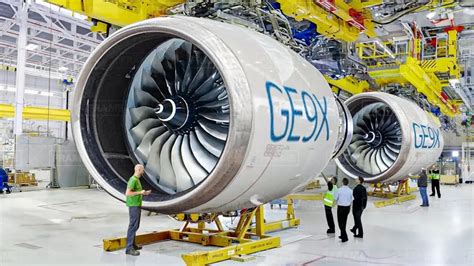
The 787 is powered by the General Electric GEnx-1B or the Rolls-Royce Trent 1000, both of which are smaller than the GE90 but designed for high efficiency and lower emissions. Unlike the 777, which has also been fitted with engines from Pratt & Whitney, the 787 only works with two engine types, simplifying maintenance for airlines.
Another feature unique to the 787 is its windows. These are noticeably larger than those found on the 777 and include digital dimming technology, replacing traditional window shades. Passengers can adjust light levels at the touch of a button, making for a more modern and comfortable flying experience.

4. Cargo Use and Aircraft Roles
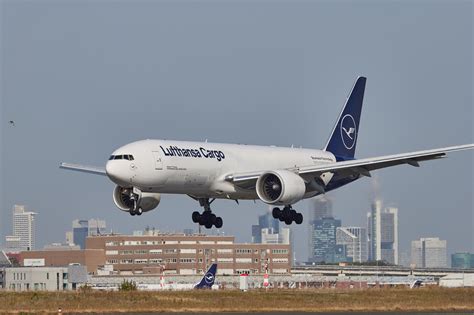
Since it was introduced more than a decade earlier, the 777 has had more time to develop different versions, including cargo-focused models. The 777 Freighter (777F), which is based on the 777-200LR, was first launched in 2009 with Air France. It was purpose-built as a freighter rather than being converted from a passenger plane.
As of August 2024, Boeing reports that 1,738 units of the 777 have been delivered, compared to 1,142 Dreamliners. Although the 787 does not currently have a freighter version, Boeing has confirmed that a cargo variant is in development. It’s expected to eventually replace older aircraft like the 767F but has no set production date yet.
5. Construction Materials and Seating Capacity
One of the major innovations with the 787 is its use of composite materials. About 50% of the Dreamliner’s structure is made from carbon-fiber composites, making it lighter and 20% more fuel efficient than older aircraft. In terms of volume, composites make up roughly 80% of the plane. Other materials include aluminum (20%), titanium (15%), steel (10%), and a small mix of other components.
These materials allow the 787 to fly longer distances while using less fuel, but the trade-off is that it carries fewer passengers than the larger 777. For example, the longest 787 variant—the 787-10—can seat around 336 passengers in a two-class layout. Meanwhile, the 777-300 can carry up to 392 passengers in a similar setup.
Final Thoughts
The Boeing 777 and 787 Dreamliner are both incredible machines that serve slightly different purposes in modern aviation. While the 787 focuses on efficiency, comfort, and next-gen technology, the 777 remains a powerhouse in terms of passenger and cargo capacity. The newer 777X and future 787 freighter are signs that Boeing plans to keep both programs active and evolving for years to come.
Whether you’re a frequent flyer, a budding aviation geek, or someone who simply enjoys learning how planes work, understanding these differences gives a clearer picture of how much design and engineering goes into building a widebody aircraft.