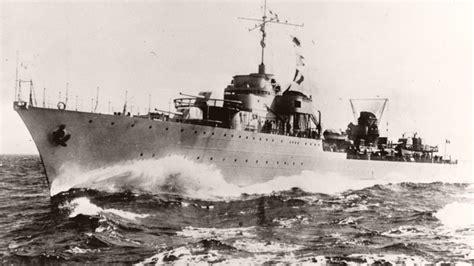
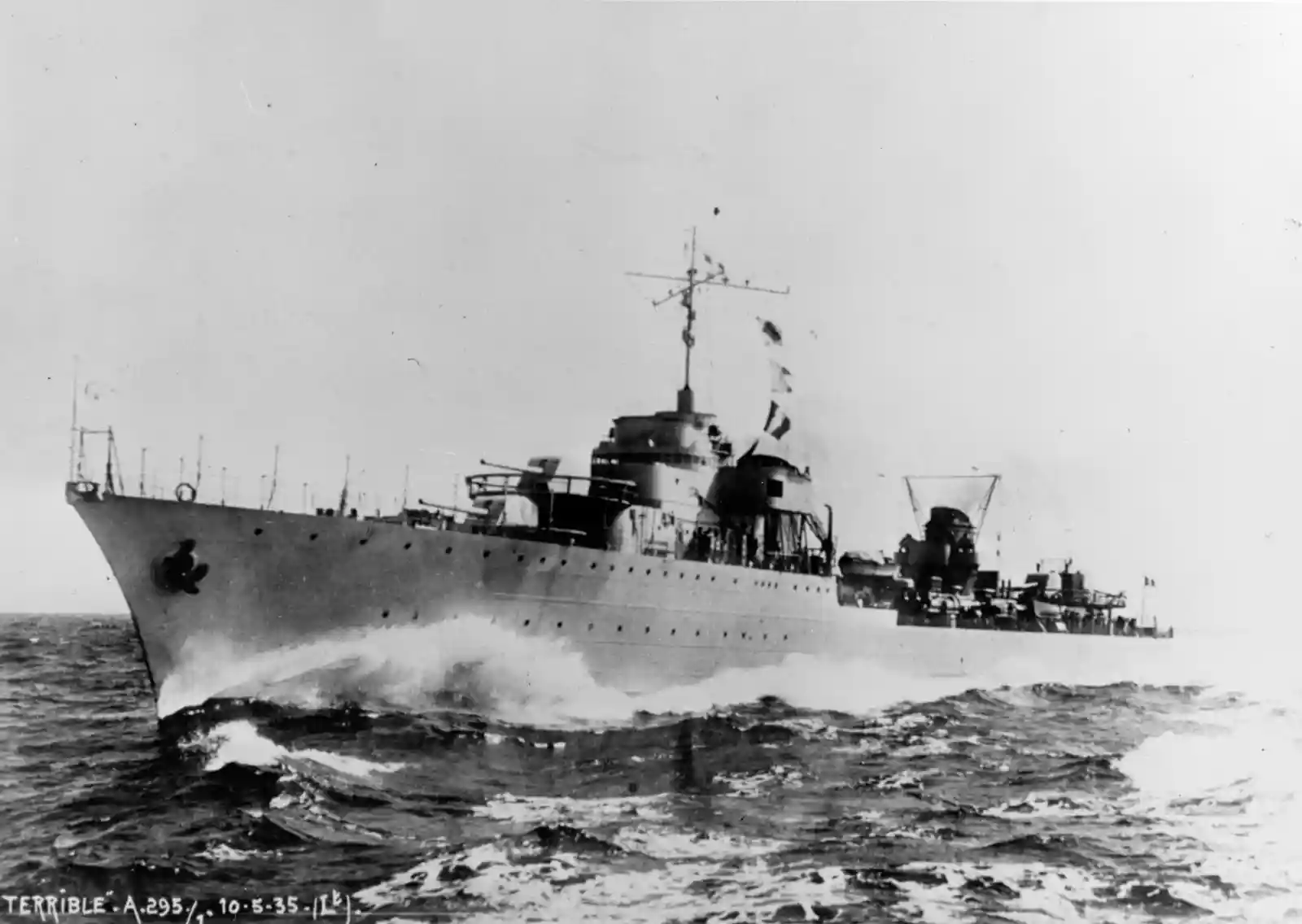
During World War II, nations raced not only to develop the most powerful warships but also the fastest. Amid battleships and carriers that dominated the headlines, a lesser-known class of French destroyers quietly claimed the speed crown. Known as the Le Fantasque-class, these warships combined incredible velocity with a name that carried symbolic weight. Among them, Le Terrible—translated as The Terrible—stood out as the fastest warship of the entire conflict.
The Strategic Necessity Of Speed During WWII Naval Battles
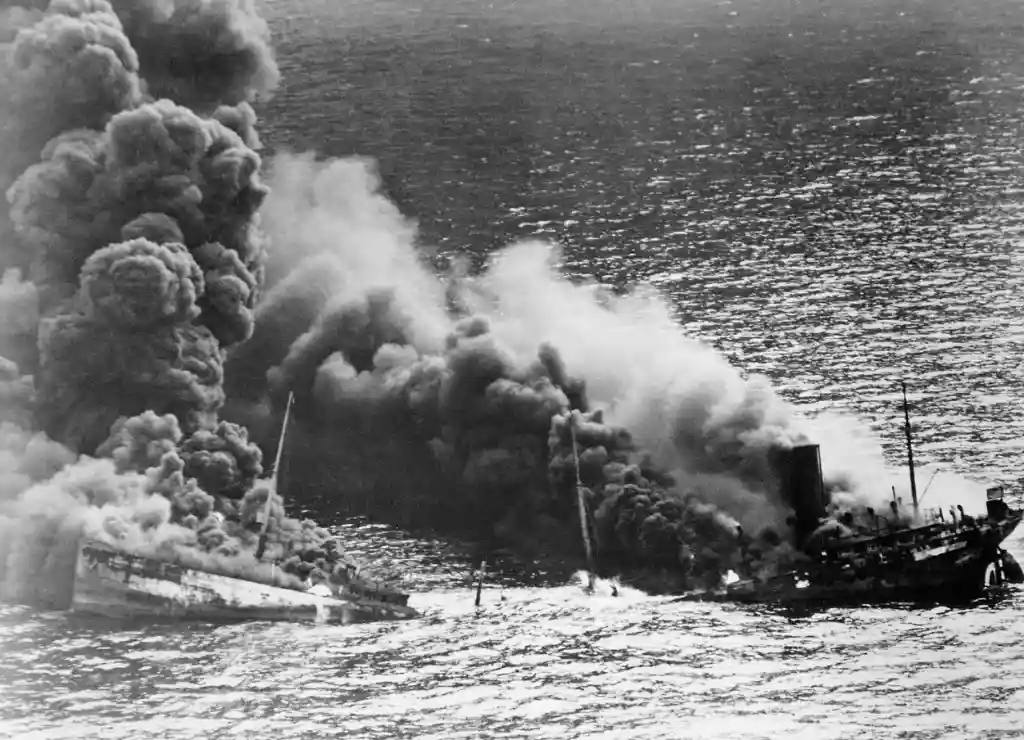
The vast theaters of naval warfare during WWII required vessels that could maneuver quickly across expansive battlefields. While size and armament were important, speed often meant the difference between survival and destruction. This was especially true in the Atlantic, where German U-boats lurked below the waves, hunting Allied supply convoys with brutal efficiency. Against such threats, speed became the ultimate defense mechanism.
Nations like the United States and United Kingdom built swift battleships and agile destroyers. The Iowa-class battleships, for instance, could achieve impressive speeds while maintaining formidable firepower. Yet, even they were eclipsed in raw speed by France’s Le Fantasque-class destroyers.
Le Fantasque-Class: A Forgotten Naval Engineering Marvel
Overshadowed by France’s rapid capitulation on land, the French Navy’s achievements in warship design are often overlooked. The Le Fantasque-class destroyers, however, are a testament to innovative naval engineering. Seven of these vessels were constructed before the outbreak of war, purpose-built to excel not just in combat but in sheer velocity.
Each ship bore a name imbued with symbolism, from Le Fantasque (“The Whimsical”) to Le Malin (“The Evil One”). None, however, embodied the class’s formidable performance as much as Le Terrible. Nicknamed after her ominous moniker, Le Terrible became infamous not for destruction, but for blistering speed that no other WWII warship could match.
Record-Breaking Sea Trials Of Le Terrible
Originally, the Le Fantasque-class was designed for operational speeds around 42.6 mph (approximately 37 knots). Yet, during sea trials, the vessels demonstrated capabilities well beyond their intended limits. In these trials, Le Terrible reached an astonishing 51.9 mph—equivalent to nearly 45 knots. This placed her ahead of contemporaries like the USS Maury, a Gridley-class destroyer that maxed out at 49.25 mph.
Modern comparisons reinforce the significance of this feat. Even today, among advanced vessels such as the USS Independence, the speed record of Le Terrible remains unmatched. The Independence peaks at 51 mph, just short of Le Terrible’s wartime performance—a remarkable testament to 1930s French engineering.
Technical Specifications: Engineering Excellence Beneath The Deck
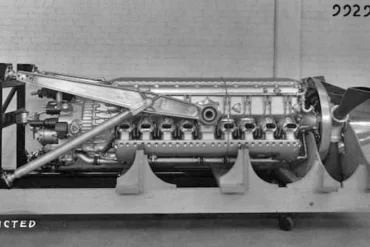
Beneath her sleek exterior, Le Terrible boasted a formidable mechanical heart. Her engines generated 74,000 shaft horsepower, propelled by diesel fuel, translating raw power into unprecedented speed. Her physical specifications were equally imposing:
- Length: Over 343 feet
- Displacement: 3,417 tons
- Crew Complement: 210 enlisted sailors, 10 officers
- Primary Armament:
- 5 × 5.5-inch guns
- 4 × 37mm anti-aircraft guns
- 4 × 13mm anti-aircraft guns
- 9 × 21.7-inch torpedo tubes
While designed for high-speed engagements, the Le Fantasque-class destroyers maintained a balance of offense and defense, enabling them to operate effectively in diverse combat scenarios.
A Fleet Scarred By War: The Fate Of Le Fantasque-Class Destroyers
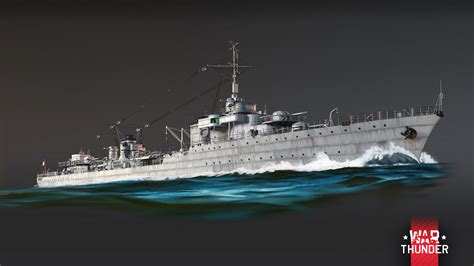
Seven Le Fantasque-class ships entered service, yet the trials of war took their toll. Both L’Audacieux (“The Audacious”) and L’Indomptable (“The Indomitable”) were lost during combat operations. The remaining vessels, including Le Malin, Le Triomphant, Le Fantasque, and the record-setting Le Terrible, continued to serve throughout the war and beyond.
Typical wartime operations saw these destroyers cruising comfortably at speeds exceeding 46 mph, avoiding full-throttle stress unless necessary. Their agility and rapid response time made them indispensable in escort missions, raids, and fleet engagements.
Le Terrible herself survived the war, remaining in active service until 1962—almost 30 years after her construction. Her longevity underscores the resilience and advanced design of this class, marking her as a technological marvel ahead of her time.
Why Le Terrible’s Name Was So Iconic
In military tradition, names carry immense symbolic power. The name Le Terrible evoked fear, strength, and aggression—qualities every warship aspired to project. Ironically, what made Le Terrible truly formidable wasn’t her firepower or armor, but her ability to outrun nearly anything else afloat.
Her name became legendary not through relentless combat victories but through the awe inspired by her performance. For sailors and strategists alike, Le Terrible represented the pinnacle of naval speed, where engineering defied conventional limitations to deliver something bordering on the impossible.
Legacy Of Le Terrible: Lessons For Modern Naval Warfare
Today, speed remains crucial in naval doctrine, albeit balanced with stealth, sensor capabilities, and advanced weaponry. However, the legacy of Le Terrible and her sister ships reminds modern navies that technological superiority doesn’t solely reside in size or firepower. The ability to move rapidly, strike decisively, and retreat before counteraction remains as valuable as ever.
The Le Fantasque-class destroyers, and Le Terrible in particular, serve as historical benchmarks—ships that, through innovative design and daring engineering, outran not only their contemporaries but also the expectations of their time.
Conclusion: The Forgotten Queen Of Speed On The High Seas
Though often forgotten amidst the naval titans of World War II, Le Terrible‘s speed record cements her legacy as the fastest warship of her era. Her sleek silhouette, legendary name, and unmatched velocity combine into a singular chapter of naval history that deserves recognition.
In the shadow of battleships and aircraft carriers, it was a French destroyer named Le Terrible that claimed the crown of speed—a fitting title for a ship as fast as she was iconic.