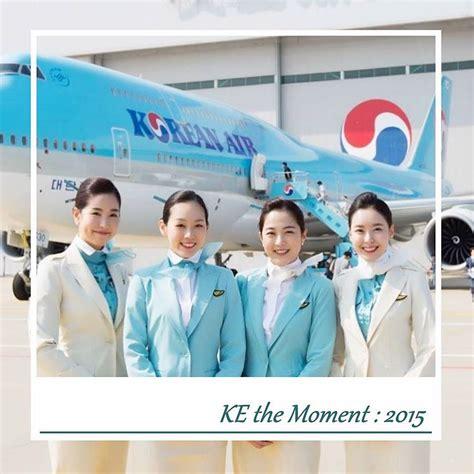
The selection of flight attendants at Korean Air, known for its prestigious reputation and exceptional service, is often a subject of discussion, particularly when it comes to the criteria for hiring. It is well-known that Korean Air, like many other airlines, has a preference for young, skinny, and attractive individuals when it comes to their cabin crew. This practice, however, raises questions and concerns about discrimination, body image standards, and the cultural differences between East and West. To understand why these criteria are in place, it is crucial to examine the cultural, economic, and industry-specific factors that shape this phenomenon.
The Influence of Cultural Norms in South Korea
South Korea is a country where cultural traditions and societal expectations often dictate personal and professional choices. Hospitality, in particular, holds significant importance in Korean society, and the role of a flight attendant is seen as one of the most visible forms of service. For many customers, the appearance of the cabin crew is directly tied to their perception of the quality of service. As a result, the aesthetic appeal of the flight attendants plays a key role in shaping the airline’s image and brand.
In a society where beauty standards are highly emphasized, particularly for women, Korean Air’s hiring policies align with these social norms. The preference for young and attractive attendants reflects an effort to meet the expectations of a clientele that places value on youth and beauty. For airlines in South Korea, providing a visually pleasing experience is not just about aesthetics, but also about maintaining a competitive edge in a highly competitive market.
Economic Factors and Consumer Expectations
The airline industry is heavily influenced by consumer demand and the desire to provide an experience that exceeds basic transportation. Korean Air, as a luxury airline, is keen on creating an atmosphere of exclusivity and comfort for its passengers. A large part of this experience is influenced by the appearance and demeanor of the cabin crew. Korean Air’s target market includes high-paying business travelers and affluent customers who often expect a certain level of prestige during their flight.
In this context, young, skinny, and pretty flight attendants are seen as a way to elevate the luxury experience. This approach is not unique to Korean Air; many premium airlines across the world implement similar standards for their cabin crews to maintain a particular brand image. While this may seem superficial, it is important to recognize that in the world of luxury travel, visual appeal and personal presentation often take precedence.
The Business of Airline Hiring Practices
From a business perspective, airlines are in the service industry, and their goal is to create a memorable experience that customers are willing to pay for. This extends beyond the fundamental aspects of safety and comfort to include the personal interaction passengers have with the crew. As a result, airlines like Korean Air prioritize hiring individuals who can provide not only competent service but also contribute to a premium brand image.
In highly competitive markets like South Korea, where there is intense competition among airlines, creating a distinct identity is crucial. The hiring criteria for flight attendants are therefore tailored to appeal to the desires of consumers, who often equate beauty with quality. This is similar to the way other industries, such as high-end hospitality and fashion, place significant value on appearance.
The Role of Physical Fitness in Flight Attendant Requirements
While the emphasis on youth and beauty is often the most talked-about aspect of hiring practices, it is important to note that physical fitness plays a critical role in the selection of Korean Air’s cabin crew. Flight attendants must be able to handle the physical demands of the job, which include long hours, lifting heavy luggage, and ensuring the safety and comfort of passengers in emergency situations. Physical fitness is therefore a requirement, even if it is often intertwined with beauty standards.
Moreover, height and body proportions are also considered when selecting candidates. These physical criteria ensure that flight attendants can easily reach overhead compartments, maneuver through narrow aisles, and perform the necessary tasks without difficulty. In a competitive environment where the airline must ensure both the practical and aesthetic appeal of its crew, these factors contribute to the overall selection process.
The Perception of Discrimination and Body Image
One of the primary criticisms of the practice of hiring young and attractive flight attendants is the perception of discrimination. From a Western perspective, this practice may seem unfair, particularly for those who believe that the value of a flight attendant should be based on their skills and qualifications, rather than their appearance. The focus on beauty and youth may exclude highly qualified individuals who do not meet these physical standards.
However, it is essential to recognize that the perception of beauty and body image varies greatly across cultures. In South Korea, the emphasis on youthful, slender appearances is not necessarily seen as discriminatory but as a reflection of cultural values and industry-specific demands. The argument here is that the airline is catering to the desires of its customers, who often prefer attendants that fit these specific aesthetic norms.
The Role of Gender in Airline Hiring Practices
The discussion around Korean Air’s hiring practices also touches upon the issue of gender. While the airline hires male flight attendants, the overwhelming focus on appearance tends to apply more to women, who are expected to meet stricter physical standards. This gendered approach to hiring is not unique to Korean Air but can be seen across the airline industry, with women often being held to higher appearance standards than their male counterparts.
This gender disparity in hiring practices is a reflection of broader societal norms, where women are often expected to conform to particular beauty standards. The flight attendant profession has historically been seen as a job suited primarily for women, further perpetuating these gendered expectations. While there has been a growing movement toward greater inclusivity and diversity in many industries, including aviation, cultural expectations continue to shape hiring decisions in countries like South Korea.
The Global Context of Airline Crew Hiring Standards
While the debate surrounding Korean Air’s hiring practices is often framed as a cultural issue, it is essential to recognize that similar practices can be observed in other parts of the world. Airlines across the globe, particularly those in Asia, have been known to emphasize physical appearance when hiring flight attendants. In some regions, the expectation of youth and beauty is seen as part of the broader cultural context, rather than as a form of exclusion or discrimination.
Even in Western countries, while there are laws and regulations to prevent discrimination based on appearance, many airlines still prioritize hiring individuals who fit a specific aesthetic ideal. In these countries, the standards may not be as stringent as in South Korea, but there is still a tendency to favor individuals who fit the mold of youthful attractiveness.
Conclusion: Balancing Aesthetic Appeal and Professionalism
Korean Air’s practice of hiring young, skinny, and pretty flight attendants is a reflection of both cultural expectations and business imperatives. While this approach may seem controversial from certain perspectives, it is important to understand the complex factors that influence these hiring practices. The airline industry, particularly in South Korea, operates within a cultural and economic context where visual appeal, youth, and beauty are intertwined with the idea of premium service.
In the end, the practice reflects the broader dynamics of the airline industry, where image and service go hand in hand. While body image standards may continue to evolve, for now, Korean Air’s hiring practices are likely to remain rooted in cultural and business factors that emphasize the visual presentation of its cabin crew as part of a larger customer experience. Understanding these nuances allows for a more comprehensive view of the global airline industry and the ways in which different cultures approach service and professionalism.