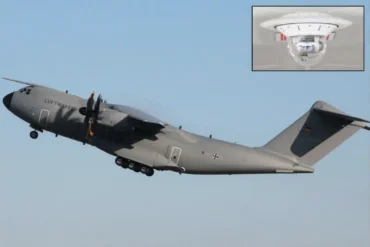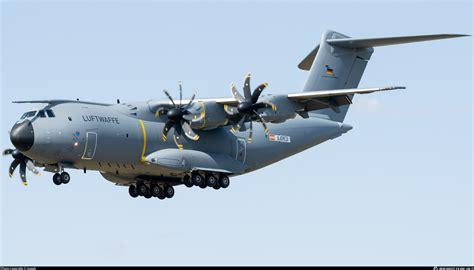
Germany’s commitment to reinforcing the operational resilience and crew safety of its airborne military assets has taken a significant step forward. On June 6, 2025, Airbus announced a new contract with the Bundesamt für Ausrüstung, Informationstechnik und Nutzung der Bundeswehr (BAAINBw) to install Directed Infrared Counter Measures (DIRCM) systems on 23 A400M military transport aircraft operated by the German Air Force, the Luftwaffe. The contract also includes a comprehensive suite of associated services such as technical training, service bulletins, and specialized support tools, marking a strategic modernization of the A400M fleet.
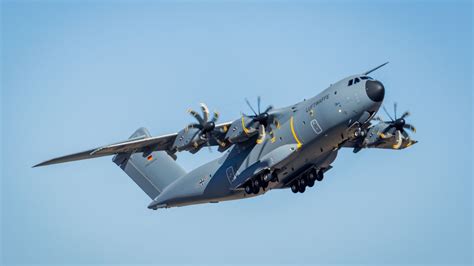
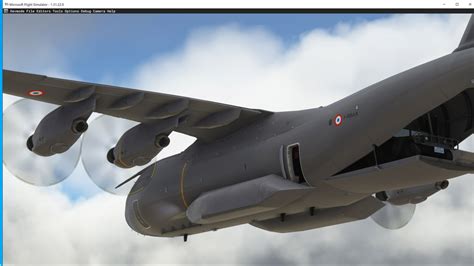
The A400M has long been regarded as the backbone of tactical and strategic air transport for the German military. This aircraft fulfills a wide spectrum of missions, including troop deployments, cargo and humanitarian transport, aerial refueling, and serving as an airborne medical evacuation platform. With the integration of DIRCM, the A400M fleet will now be far better equipped to survive and operate in contested environments, where the threat of infrared-guided missiles continues to escalate.
What is DIRCM and Why It Matters for Modern Warfare
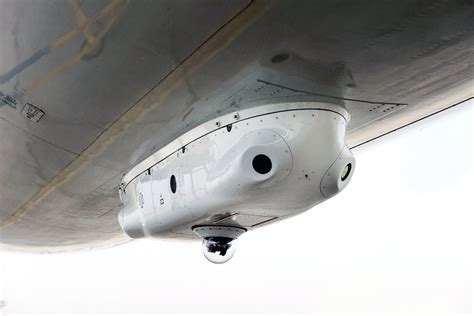
Directed Infrared Counter Measures (DIRCM) are a class of active protection systems designed to defeat incoming infrared-guided missiles, a persistent threat for low-flying military aircraft, especially during takeoffs, landings, and tactical ingress into hostile territory. Unlike flares or passive countermeasures, DIRCM uses laser technology to actively disrupt the missile’s seeker head, effectively blinding it and steering it away from the aircraft.
The system selected by Airbus is provided by Elbit Systems, a company recognized globally for its defense-grade electro-optical innovations. These DIRCM units incorporate high-precision sensors, tracking algorithms, and directional lasers that can detect and neutralize heat-seeking threats within milliseconds. Once installed, they provide 360-degree hemispherical coverage, ensuring complete defensive protection even during complex flight maneuvers or low-altitude passes.
Integration Timeline and Maintenance Hubs in Europe
Under the new contract, Airbus will undertake the installation of DIRCM systems at three key facilities: Manching in southern Germany, and Getafe and Seville in Spain. These installations will coincide with routine maintenance schedules, minimizing disruption to operational readiness. This efficient alignment of system deployment with existing aircraft servicing cycles is expected to optimize cost-effectiveness and ensure maximum aircraft availability.
Currently, one Luftwaffe A400M is undergoing extensive flight testing of the DIRCM system in Seville. The certification phase is already underway, with official airworthiness certification expected by summer 2025. Once certified, the rollout across the remaining 22 aircraft will continue steadily until completion in 2032, reflecting a long-term national security investment.
Tactical and Logistical Variants: Role-Specific Upgrades
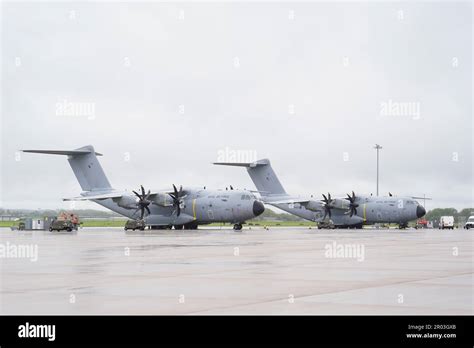
Among the 53 A400Ms ordered by Germany, 23 are dedicated to tactical operations, which include humanitarian support in war zones, casualty evacuation, and forward base supply missions. These are the aircraft prioritized for DIRCM upgrades due to their exposure to hostile environments and asymmetric warfare conditions.
In contrast, the logistical variant of the A400M, which handles standard military cargo, long-distance troop transport, and strategic deliveries of engineering equipment, will continue without DIRCM upgrades for now. The decision reflects a threat-based prioritization strategy, wherein aircraft most likely to encounter portable surface-to-air missile threats are given first access to enhanced protection.
Strategic Importance for the Luftwaffe and NATO Allies
The German A400M fleet plays a pivotal role not only within national operations but also within multinational NATO deployments. From Afghanistan to Mali, these aircraft have been critical in delivering life-saving aid, evacuating wounded soldiers, and transporting essential combat equipment into high-threat areas. With the integration of DIRCM, the Luftwaffe can now deploy with higher confidence in areas dominated by MANPADS (Man-Portable Air-Defense Systems) and other infrared-guided threats.
Additionally, this upgrade aligns Germany with other DIRCM-equipped NATO air forces, reinforcing the interoperability and tactical alignment within the alliance. The ability to perform coordinated missions in high-threat zones with similar protection profiles is essential for joint effectiveness.
Airbus’ Broader Role in A400M Evolution
The A400M program, a multinational project led by Airbus, has matured into one of Europe’s most complex and capable military aircraft initiatives. The platform combines the ability to land on unpaved runways with the payload capacity to transport heavily armored vehicles and helicopters, bridging a critical capability gap between tactical airlifters like the C-130 and strategic platforms like the C-17.
According to Gerd Weber, Head of the A400M programme at Airbus Defence and Space, the integration of DIRCM signifies a pivotal enhancement in the aircraft’s capabilities: “The new DIRCM system will provide A400M crews with even greater protection during their missions around the world and expand the already broad range of applications for this exceptional aircraft.”
Beyond protection, Airbus continues to innovate with automation, cockpit upgrades, and performance optimization initiatives, ensuring the A400M remains competitive and mission-relevant for decades to come.
Certification and Compliance Milestones
The DIRCM upgrade program involves stringent certification processes with European airworthiness regulators, including EASA and national military aviation authorities. These tests include laser interference mitigation, electromagnetic compatibility assessments, and real-world performance trials under simulated hostile conditions. The certification phase in Seville is crucial in validating both the integration methods and the operational reliability of the DIRCM package.
Once certified, the DIRCM-equipped A400Ms will be entered into the Luftwaffe’s operational roster with updated standard operating procedures, including crew training modules and mission planning adaptations for the newly enhanced protection capabilities.
Operational Readiness and Global Security Impact
In an era of rapidly shifting geopolitical tensions, the ability to deploy protected transport aircraft at short notice is a critical strategic advantage. The DIRCM upgrade is not merely a technological improvement—it is a doctrinal evolution in how Germany secures its airborne logistics and force projection assets.
The move echoes a broader trend in global defense planning: increasing resilience against asymmetric and unconventional threats. As non-state actors and regional adversaries gain access to shoulder-fired missile systems, even non-combat aircraft require robust countermeasure suites.
For humanitarian missions, too, this development is invaluable. In past evacuations—from Kabul to Sudan—the threat of surface-launched missiles has hindered safe access to crisis zones. With DIRCM, German A400Ms can now fly closer to danger zones, extract civilians, deliver aid, and operate with a significantly reduced risk profile.
Future Outlook: DIRCM Beyond the A400M
While this contract focuses solely on the 23 tactical A400Ms, defense analysts suggest that DIRCM may become standard equipment across multiple aircraft types in the German military inventory. As the technology proves its value, discussions are already emerging around potential integration into future unmanned aerial systems (UAS), rotary-wing platforms, and other manned transport fleets.
Furthermore, Airbus’ experience with DIRCM integration on the A400M could become a blueprint for export opportunities, particularly as other A400M-operating nations assess their own protection needs. With Elbit Systems and Airbus demonstrating scalable integration, additional European and global customers may soon follow Germany’s example.
Conclusion: A Tactical Leap Toward Secure Global Reach
The decision to equip 23 Luftwaffe A400Ms with Directed Infrared Counter Measures is more than a procurement move—it is a strategic recalibration. By fusing cutting-edge laser defense systems with the already versatile A400M platform, Germany is enhancing both the survivability and strategic flexibility of its air force.
As geopolitical risks grow more unpredictable and operational theaters more complex, protecting aircrew and maintaining mission assurance becomes not a luxury, but a necessity. This forward-leaning decision by the Bundeswehr, executed by Airbus in partnership with Elbit Systems, cements the A400M’s status not just as a logistics platform, but as a highly survivable strategic enabler on the modern battlefield.
From relief drops over conflict zones to emergency medevacs under fire, the future missions of the Luftwaffe’s A400M fleet will now carry a new layer of confidence—laser-focused, battle-proven, and mission-ready.