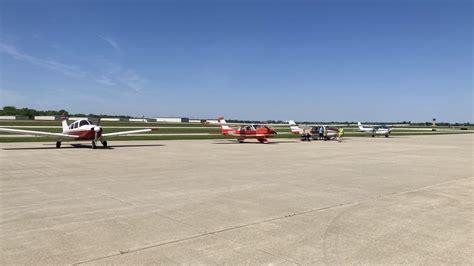
In the realm of youth aviation education, the Young Eagles program stands as an unparalleled beacon of opportunity, ambition, and inspiration. Founded in 1992 by the Experimental Aircraft Association (EAA), Young Eagles was conceived with a bold mission: to introduce children between the ages of 8 and 17 to the wonders of flight in general aviation aircraft—completely free of charge. Rooted in the heritage of EAA’s earlier initiative, Project Schoolflight (1955–1978), Young Eagles emerged not just as a program but as a movement, driven by the belief that exposure to aviation can transform a child’s future.
What began as a concept to commemorate the 100th anniversary of the Wright brothers’ first flight by flying one million children by 2003, evolved into a global campaign. That milestone was not only met but surpassed ahead of schedule. By July 2024, the program had flown over 2.3 million children in 90 countries, making it the most successful aviation outreach program in history.
Volunteer Spirit and Global Reach
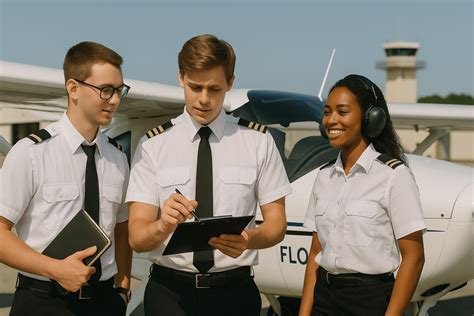
At the heart of Young Eagles’ success is its vast network of more than 43,000 pilots, who volunteer their aircraft, time, and resources to offer children their first flight experience. From solo aviators to entire EAA chapters, these volunteers not only cover operational costs but also serve as mentors, educators, and role models. A flight with a Young Eagles pilot is more than just a scenic journey—it is often a transformational experience that leaves children with a lasting fascination for the skies.
The influence of the program is statistically significant. According to a 2011 study by EAA, children who participate in Young Eagles flights are 5.4 times more likely to become pilots, with female participation rising to 9%, notably above the national average of 6% at the time. The impact is especially strong among older teens, where data shows that two out of every 100 17-year-old participants go on to earn their pilot certificates.
Distinguished Leadership and Aviation Icons
Young Eagles’ prestige has been continually elevated by its esteemed Program Chairmen, who bring not only aviation credentials but public visibility. The program’s inaugural chairman, Academy Award-winning actor Cliff Robertson, set the tone for celebrity involvement. He was succeeded by none other than General Chuck Yeager, the first man to break the sound barrier. In 2004, Harrison Ford—pilot and iconic actor—took the helm and personally flew more than 300 Young Eagles, including the program’s 2-millionth participant.
In 2009, public admiration turned to aviation heroes Captain Chesley Sullenberger and First Officer Jeffrey Skiles, known for their heroic landing of US Airways Flight 1549 on the Hudson River. More recently, aerobatic champion Sean D. Tucker and NFL star Jimmy Graham have carried the torch, blending professional aviation expertise with celebrity status to sustain the program’s momentum and visibility.
Annual Highlights and International Participation
Each year, on the second Saturday of June, EAA hosts International Young Eagles Day, a celebratory and participatory event that mobilizes pilots around the world to introduce thousands of children to aviation in a single day. The global impact has reached far beyond the United States, with organizations such as the Canadian Owners and Pilots Association (COPA) participating actively until 2008, flying over 81,000 Canadian youth before stepping away due to insurance constraints.
In tandem, EAA introduced the Eagle Flights program at AirVenture Oshkosh 2012 to offer similar experiences for adults, expanding the reach of general aviation exposure. These initiatives amplify EAA’s core mission of aviation advocacy and education across all age demographics.
Scholarships and The Next Step Toward Certification
To ensure the Young Eagles experience does not end with a single flight, EAA partnered with Sporty’s Pilot Shop in 2009 to launch The Next Step—a post-flight program offering online access to a Complete Flight Training Course. Each Young Eagle receives a logbook to chronicle their aviation journey, with the ability to earn flight scholarships. In 2010, Rolls-Royce awarded six scholarships for primary training and one for advanced certification, underlining industry confidence in nurturing youth through aviation.

The Gathering of Eagles: Aviation Meets Philanthropy
Supporting the Young Eagles’ expansive reach is the annual Gathering of Eagles, an exclusive fundraising gala held during the EAA AirVenture airshow in Oshkosh. Attended by aviation legends, celebrities, and philanthropists, the event features high-profile auctions of one-of-a-kind vehicles donated by Ford Motor Company and customized by top-tier designers like Carroll Shelby and Jack Roush. Iconic models such as the SR-71 Blackbird Ford Mustang, Red Tails Edition Mustang, and WASP-inspired Mustang Mach-E have fetched significant bids, contributing millions to the cause.
Each vehicle design pays homage to aviation heritage, merging automotive art with historical reverence. In 2022, a custom Ford Bronco joined the ranks, continuing the tradition of honoring aviation milestones through design and philanthropy.
Inspiring the Next Generation, One Flight at a Time
The Young Eagles program is not merely an outreach initiative—it is a legacy in motion, turning curiosity into careers, and awe into ambition. As general aviation faces the challenge of an aging pilot population, Young Eagles serves as a critical pipeline, rejuvenating the skies with a new generation of trained, passionate aviators. The continued support from industry partners like Phillips 66, Sporty’s, and Rolls-Royce ensures that the dream of flight remains accessible and tangible for every aspiring pilot, regardless of background.
From its inception in a Washington, D.C. press conference to its global footprint today, Young Eagles has redefined what youth engagement in aviation can achieve. And as the world of aviation evolves, the mission remains steadfast: to give every child the chance to soar.