Passengers on United Airlines flight UA884 from Washington Dulles to Rome endured nearly 12 hours of delays, technical problems, weather disruptions and crew changes before the flight was finally canceled without ever leaving the ground. The ordeal stretched well beyond the flight’s original schedule, forcing travelers to spend the night at the airport and wait for another aircraft to operate the route the following evening.
The transatlantic service was scheduled to depart Washington Dulles International Airport (IAD) at 5:35 PM on October 2, bound for Rome Fiumicino Airport (FCO). Instead, passengers faced a chain of setbacks that began with a cockpit-related technical problem and continued through thunderstorms, refueling, catering replacement, crew duty limitations and a further maintenance inspection after an incident involving the aircraft’s pushback tug.
For passengers, the disruption was especially frustrating because each new problem appeared to move the flight closer to departure, only for another obstacle to emerge. One traveler, Rebecca Bliden, told 7News that boarding began at approximately 4:30 PM. By the time the airline canceled the flight, passengers had spent almost 12 hours dealing with the same journey without actually taking off.
United UA884 Faced Multiple Problems Before Cancellation
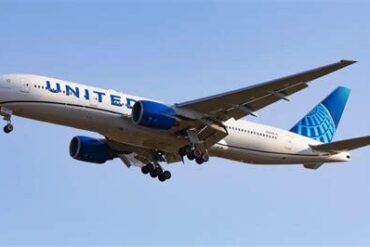
The first major setback involved an unspecified cockpit fault, which delayed the aircraft before departure. The situation became more complicated when thunderstorms moved into the Washington area. Even after the initial technical issue had been addressed, weather conditions prevented the Boeing 777 from beginning its transatlantic journey.
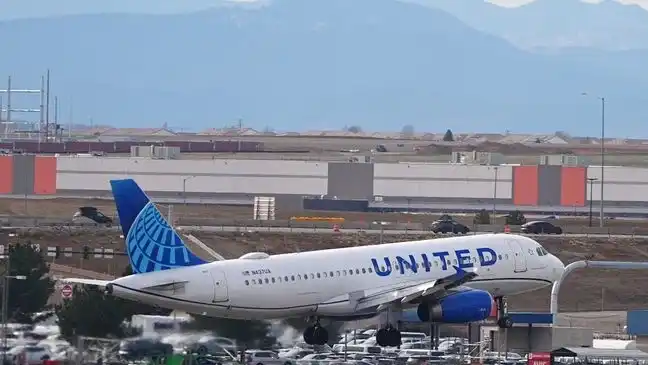
Around three hours into the disruption, the aircraft returned to the gate to refuel. Passengers were given the opportunity to leave the aircraft, while United also had to address another practical problem: the catering had been onboard for too long and had to be replaced before the aircraft could depart.
The delays continued into the night. Approximately six hours after the original disruption began, the operating crew reached its legally permitted duty-time limit. That meant the passengers had to leave the aircraft again while United arranged a replacement crew. What had started as a technical delay had developed into a complicated operational disruption involving several independent factors.
The replacement crew eventually boarded and passengers returned to the aircraft. However, the Boeing 777 remained at the gate for roughly another hour before another issue emerged. One of the aircraft doors was reportedly not sealing correctly, requiring maintenance personnel to inspect the problem before the flight could continue.
Pushback Tug Incident Creates Another Delay
The door issue was eventually addressed, allowing the aircraft to begin the process of leaving the gate. But the long-running disruption was not over.
As the Boeing 777 began pushing back, passengers reportedly heard a loud bang. The pilot subsequently explained that a band on the pushback tug had snapped and something had struck the aircraft. Because the incident potentially involved the aircraft itself, mechanics were required to inspect it after the aircraft returned to the gate.
The timing proved critical. United later said the tug incident itself was not the direct reason the flight was canceled. Instead, the additional inspection and resulting delay consumed enough time for the replacement crew to reach its own duty-time limit.
That distinction is important because the flight had already survived several earlier disruptions. By the time the tug incident occurred, there was little operational margin remaining. Once the replacement crew could no longer legally continue, United had to cancel UA884 rather than risk exceeding crew-duty restrictions.
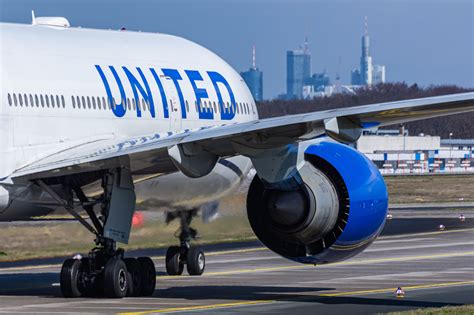
The cancellation came at approximately 4:00 AM, almost 12 hours after passengers had originally boarded. Bliden described the experience as particularly difficult because travelers had already spent so much time on the aircraft. She told 7News that passengers did not want to spend another eight hours on the same aircraft after everything that had happened.
The situation also affected United’s planned Rome-to-Washington service. Because UA884 never reached Rome, the scheduled return flight, UA885 from Rome Fiumicino to Washington Dulles, was also canceled.
Passengers Waited More Than 25 Hours for Another Rome Flight
United ultimately arranged an additional service, UA3028, to carry the stranded passengers to Rome. The replacement operation used another Boeing 777-200ER and departed Washington shortly before 7:00 PM on Saturday.
That meant the passengers’ journey to Rome began more than 25 hours after UA884 had originally been scheduled to depart. Instead of an overnight nonstop flight, travelers faced an extended airport ordeal involving multiple boarding attempts, aircraft inspections, crew replacement and an overnight wait before finally receiving transportation to Italy.
Flight-tracking information identified the original aircraft as N798UA, a Boeing 777-200ER delivered to United in 1998. The aircraft was approximately 28 years old at the time of the incident. Following inspection, N798UA was cleared to fly and was reassigned to UA982 from Washington Dulles to Athens, which departed at 5:31 PM on Saturday.
The fact that the aircraft subsequently operated another international service illustrates that the pushback incident did not necessarily mean the aircraft was permanently removed from service. It had to undergo the appropriate inspection before being released for another flight.
United Passenger Receives a $175 Voucher
For the passengers affected by the canceled Rome flight, the immediate question was what compensation or assistance United would provide. According to Bliden, she received a $175 voucher as a goodwill gesture but was seeking a full refund instead.
The distinction between a goodwill payment and legally required compensation is important in cases involving major flight disruptions. Under US Department of Transportation rules, airlines operating international flights from the United States must generally provide passengers with an opportunity to deplane when a tarmac delay reaches four hours, subject to specific safety, security and operational exceptions.
However, the rules do not automatically require airlines to pay passengers cash compensation simply because a US-originating international flight suffers a lengthy delay or cancellation. The circumstances surrounding the cancellation and whether the passenger accepts alternative transportation can affect what remedies are available.
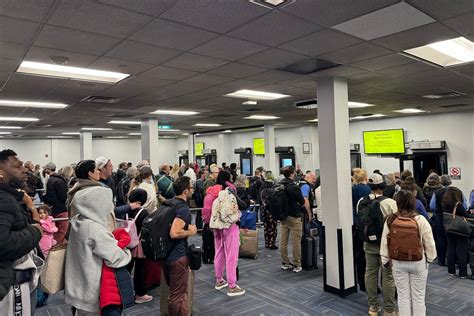
The DOT’s refund rules can provide a different form of protection. If an airline cancels a flight and the passenger does not accept the alternative transportation offered, the passenger may be entitled to a refund of the ticket rather than being required to accept the replacement itinerary.
The canceled return service from Rome presents a separate issue. Because UA885 was scheduled to depart from an airport in the European Union, passengers on that flight may fall under Europe’s passenger-rights framework, including EC 261/2004. Depending on the specific circumstances and eligibility requirements, compensation for a qualifying long-haul cancellation can reach €600, or roughly $675, although exemptions and the cause of the disruption can affect whether compensation is payable.
A Long-Running Delay Shows How Disruptions Can Compound
The UA884 incident demonstrates how an airline disruption can escalate when several relatively separate problems occur during the same operation. A cockpit fault caused the initial delay, thunderstorms added further restrictions, refueling and catering created additional ground work, crew duty limits forced a crew replacement, a door required inspection, and the pushback incident consumed still more time.
For passengers, the result was not simply a delayed departure. It became an overnight cancellation followed by a replacement flight the next day, turning a scheduled nonstop trip from Washington to Rome into a journey lasting more than a full day before departure was finally achieved.
The $175 voucher provided to at least one passenger was therefore only one part of a much larger disruption. For travelers evaluating their rights after such an event, the key distinction is whether they accepted replacement transportation, whether the canceled flight originated in the United States or the EU, and which passenger-protection rules applied to each segment.