When planning regional air travel in the United States, the Embraer ERJ 175 often emerges as a top contender among regional jets. Commonly deployed by carriers like Alaska Airlines, American Eagle, and United Express, this aircraft consistently delivers a surprisingly refined and comfortable experience. At first glance, the ERJ 175 appears to be a compact jet. But step inside, and you’ll quickly realize that it offers far more than its modest size suggests. Whether you’re flying from Southern California to Spokane or taking a short hop between major hubs, the ERJ 175 blends comfort, efficiency, and performance in a way that defies traditional notions of “regional” aircraft.
The ERJ 175 Cabin Experience: Comfort Over Compromise
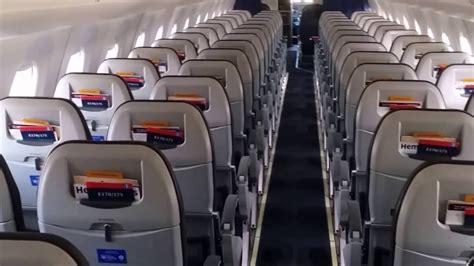
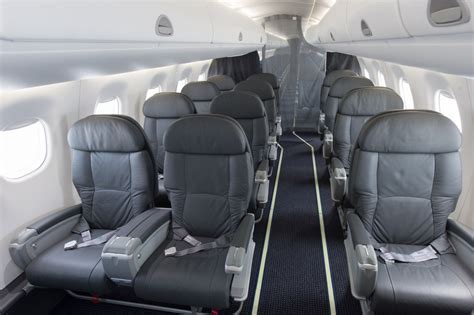
The ERJ 175 boasts a 2-2 seating configuration in economy, eliminating the dreaded middle seat altogether. This is an instant win for passengers seeking more personal space. For those traveling in first class, a 1-2 configuration provides a true sense of exclusivity—especially the solo seat, which offers complete aisle and window access with no neighbor.
Despite being smaller than narrow-body jets like the Boeing 737 or Airbus A320, the ERJ 175’s cabin does not feel cramped. The overhead bins are slightly smaller—particularly compared to mainline jets—so travelers should take note if carrying overstuffed roller bags. However, this minor limitation is balanced by the surprisingly wide seats, which are in fact wider than those on many 737 variants.
Cabin noise is minimal. The engines are mounted at the rear, away from the fuselage’s midsection, which significantly reduces in-cabin sound levels compared to other aircraft with wing-mounted engines. This design choice also helps make conversation and rest easier throughout the flight.
Inflight Amenities and Upgrades: What to Expect
Airlines operating the ERJ 175 offer a range of services and amenities that vary by route and operator. Alaska Airlines’ ERJ 175s, operated by Horizon Air or SkyWest, come with updated interiors that match or even exceed those found on older mainline jets.
In first class, power outlets are available, which is not always the case in the main cabin—another point of differentiation worth noting. Some passengers have pointed out that economy class lacks onboard power, so it’s best to ensure personal devices are charged prior to boarding.
Passengers in first class also frequently enjoy expedited boarding, larger recline, and beverage service that may include wine or beer—even on flights under 90 minutes. While food service can be inconsistent, especially post-pandemic, many report snacks and full drink service on most segments. On some flights, hot meals may be available through pre-order, a benefit Alaska has rolled out selectively.

Turbulence Handling: How the ERJ 175 Performs in Winter Weather
A major concern raised by flyers—especially in regions like Spokane, Anchorage, or Seattle—is how the ERJ 175 handles turbulence during winter. Thankfully, the aircraft is known for handling turbulence exceptionally well, particularly when compared to older regional models like the Bombardier Q400 turboprop.
Several experienced travelers, including Alaska MVP Gold and 100K frequent flyers, have echoed this sentiment: the ERJ 175 is remarkably stable, even in challenging weather. One traveler noted that turbulence felt no different than in a Boeing 737, a testament to Embraer’s engineering and the aircraft’s advanced fly-by-wire control systems.
Unlike turboprops that bounce and sway through turbulent air, the ERJ 175’s jet design allows it to cut through rough air with more control. For nervous flyers, this translates into a smoother, less stressful flight.
Boarding and Deplaning: Quick, Efficient, and Hassle-Free
One of the ERJ 175’s greatest operational strengths is speed and efficiency on the ground. With its smaller cabin size and lower passenger count (typically seating 76 to 88 passengers), boarding and deplaning are far quicker than on larger jets. Frequent flyers appreciate this, especially when trying to make tight connections or when arriving at busy airports like SFO or SEA.
Additionally, there are no middle seats, so boarding congestion is reduced and passengers settle into their rows faster. Travelers often mention that the 2×2 layout provides the feel of a larger aircraft while preserving the intimacy and speed of a regional jet.

Regional Service, Mainline Feel: A Favorite Among Frequent Flyers
The ERJ 175 is often referred to by aviation enthusiasts as a “baby 737“—a compact jet with the feel of a larger aircraft. While its range and speed are suited for regional missions, the onboard experience is anything but basic. Alaska Airlines’ elite flyers frequently cite the E175 as their preferred aircraft, ahead of both the Airbus A320 and Boeing MAX 9. Why? Because it consistently delivers a premium experience with less chaos, faster boarding, and higher upgrade potential.
Passengers also highlight big windows, comparable in size to those found on larger airliners. These expansive windows not only enhance the cabin’s airy feel but offer excellent views, especially on scenic routes like SEA to ANC.
Moreover, because the ERJ 175 operates with lower total seat counts, upgrades are more accessible for elite flyers. Travelers with MVP Gold or 100K status report higher-than-average success in scoring complimentary first class upgrades, making it a go-to choice when booking.
Aircraft Design and Technical Advantages
From a performance standpoint, the ERJ 175 is a workhorse, capable of operating at smaller airports with shorter runways while still providing the performance of a mainline jet. Its wing design, engine placement, and pressurization system ensure a smooth ride across varying altitudes and airspaces.
Technically, the ERJ 175 features:
- Cruising Speed: Mach 0.78 (about 534 mph)
- Range: Approximately 2,200 miles (3,540 km)
- Maximum Takeoff Weight: 89,000 lbs
- Service Ceiling: 41,000 feet
- Seating: Typically 76 in dual-class configuration, up to 88 in high-density layout
The Embraer jet family, especially the E175, has also gained a reputation for reliability and lower maintenance overhead, which explains why many regional airlines prefer them over aging turboprop models or older regional jets like the CRJ-700.
Comparing ERJ 175 to Older Aircraft: A Leap in Comfort and Performance
Many travelers still remember the days of flying aboard Bombardier Q400s or CRJs, which were infamous for cramped interiors, tiny windows, and louder cabins. The ERJ 175 marks a decisive break from that era. It is not merely a step up—it’s a leap.
Passengers transitioning from the Q400 to the ERJ 175 often remark on the better seat width, quieter cabin, and smoother ride. In fact, some routes once flown by Q400s are now exclusively operated by E175s, as carriers move to simplify fleets and reduce operational complexity.
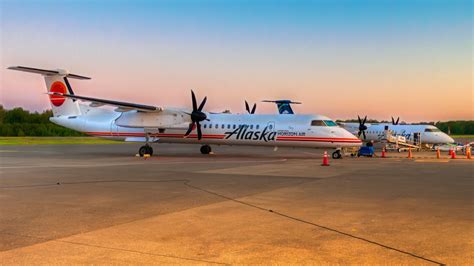
One MVP Gold flyer summed it up succinctly: “The Q400s sucked in turbulence… glad they don’t fly them in Alaska anymore.” This move toward fleet modernization, favoring E175s, not only enhances the passenger experience but streamlines maintenance and logistics.
Lounges, Layovers, and the ERJ 175 Route Network
On routes like SFO to GEG (Spokane), the ERJ 175 is often the default aircraft, especially when operated by Alaska or SkyWest. Flyers have mixed but generally positive reviews of airport lounges at hubs like San Francisco (SFO). The SFO Lounge, while modern and spacious, offers limited food options. However, amenities like the famous pancake printer, basic soups, and a full bar add to the pre-flight experience.

These short regional flights rarely exceed two hours, making the ERJ 175 a fitting choice. And while meal service is not guaranteed, snacks and drinks are consistently offered. Depending on the operator (SkyWest or Horizon), service quality may vary slightly, though the jet itself remains a constant source of praise.
Final Verdict: The ERJ 175 Is the Unsung Hero of Domestic Air Travel
Despite its unassuming role as a regional jet, the Embraer ERJ 175 consistently exceeds expectations. It merges comfort, performance, and efficiency in a way that rivals or even surpasses some mainline aircraft. For short-to-medium haul flights, it is arguably one of the best aircraft flying today.
From generous seat width and big windows to a quiet cabin and quick boarding, the ERJ 175 is designed with the passenger in mind. If you’re flying to secondary markets like Spokane or planning a connection through San Francisco or Seattle, rest assured—being booked on an E175 isn’t a downgrade. It’s a hidden gem.

For frequent flyers, leisure travelers, and aviation enthusiasts alike, the ERJ 175 continues to earn its reputation as the gold standard of regional jets. In an age where travel often feels rushed or compromised, this aircraft delivers what truly matters: a comfortable, reliable, and refined journey.