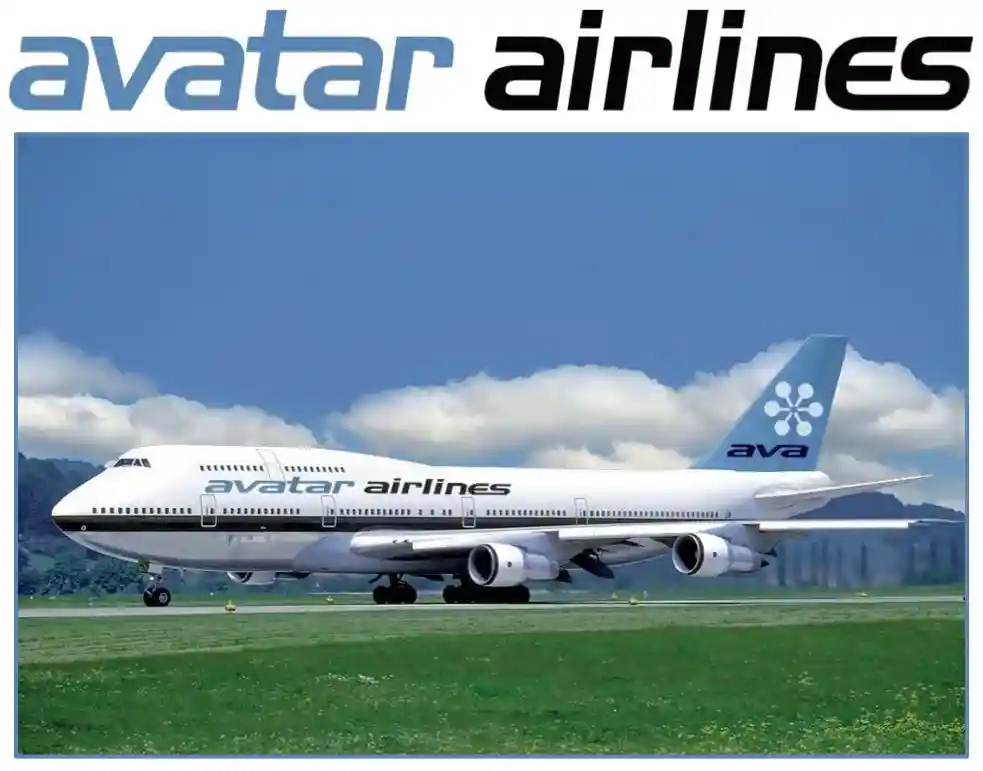
Avatar Airlines, originally known as Family Airlines, represents one of the most ambitious yet controversial attempts to disrupt the U.S. aviation market with a super low-cost business model. Founded in September 1992, the airline sought to provide affordable long-haul travel on a fleet of Boeing 747 aircraft, offering fares as low as $249 for cross-country flights. Despite repeated attempts to relaunch over three decades, the airline has yet to take off. This article explores the history, business model, challenges, and future prospects of Avatar Airlines in exhaustive detail.
The Origins of Family Airlines
In the early 1990s, the U.S. airline industry was undergoing significant changes, with deregulation opening the door for low-cost carriers to challenge legacy airlines. Family Airlines emerged during this time, led by Barry Michaels, who envisioned an airline catering to budget-conscious families and leisure travelers. The concept was straightforward: offer ultra-low-cost fares using high-capacity aircraft on popular routes.
The proposed fare structure was groundbreaking for the time, with $249 one-way flights between Los Angeles and New York City and discounted routes to destinations like Miami, Honolulu, and Las Vegas. Family Airlines planned to utilize between three and five Boeing 747-100/200s for its initial operations, creating a unique offering in a market dominated by narrow-body aircraft.
The Initial Business Model: Mass Market with Jumbo Jets
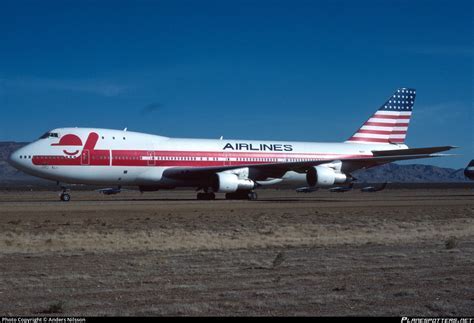
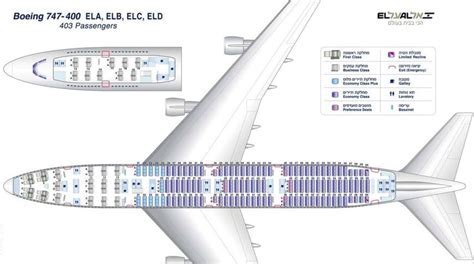
Unlike most low-cost carriers that operate smaller, fuel-efficient planes, Family Airlines planned to exclusively use jumbo jets—specifically Boeing 747s—in a dense seating configuration. This setup would enable the airline to carry more than 500 passengers per flight, significantly reducing per-seat operating costs.
The proposed network included high-demand leisure and family travel routes, with initial plans for flights between Las Vegas, Los Angeles, Newark, Miami, and San Francisco, eventually expanding to Honolulu, Phoenix, and Boston. Barry Michaels emphasized the importance of tapping into the family leisure travel segment, a largely underserved market at the time.
Regulatory Hurdles and Early Collapse
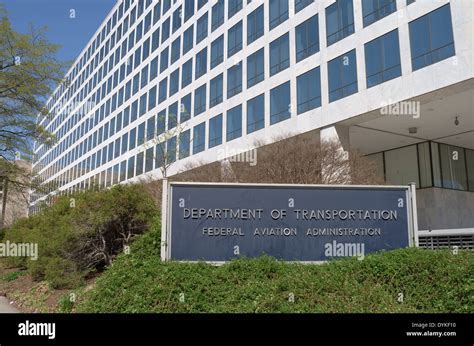
Despite gaining press attention for its low fares, Family Airlines encountered serious regulatory roadblocks. In March 1993, the Federal Aviation Administration (FAA) announced it would no longer process the airline’s application due to concerns about management credibility and operational viability. Shortly after, the Department of Transportation (DOT) demanded that Barry Michaels relinquish control of the airline, citing lawsuits and financial judgments against him.
On April 27, 1993, Michaels agreed to step down, but the damage to the airline’s reputation was already done. By mid-1993, Family Airlines’ initial venture had effectively collapsed, leaving investors and the public skeptical of its legitimacy.
Legal Troubles: SEC Lawsuit and Financial Penalties
The collapse of Family Airlines was followed by legal repercussions. In June 1996, the Securities and Exchange Commission (SEC) filed a suit against Barry Michaels and his wife, Holly S. Michaels, for fraudulently offering unregistered stock in connection with the airline. A federal judge ordered the couple to return $363,306 to investors and imposed civil penalties of $181,000 each. This legal case further tarnished the image of both the airline and its founder.
Repeated Attempts at Revival
2008: Family Airlines Reemerges
In January 2008, Family Airlines resurfaced with a new DOT application, once again led by Barry Michaels. The revised plan aimed to operate up to 12 Boeing 747-400s configured with 581 seats, initially targeting Los Angeles, New York, and Miami. However, industry observers noted that the business model remained largely unchanged from the 1990s plan, leading to skepticism. By 2009, the application was denied.
2010: Rebranding as Avatar Airlines
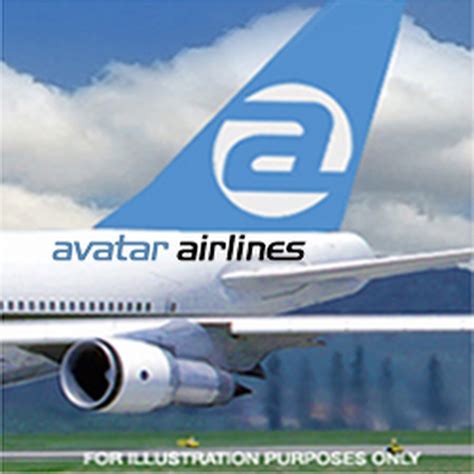
In 2010, Michaels filed again—this time under the name Avatar Airlines—hoping that a fresh identity would overcome prior reputational challenges. Unfortunately, the application stalled and never progressed.
2014: Boca Raton Headquarters and Renewed Efforts
By 2014, Avatar Airlines relocated its corporate headquarters to Boca Raton, Florida, filing another application with the DOT. Official documents claimed that Barry Michaels no longer held a management role. However, in the same month, Michaels met with airport officials in Jacksonville, Florida, identifying himself as the airline’s chairman, raising questions about the company’s transparency.
2019–2020: The Latest Chapter
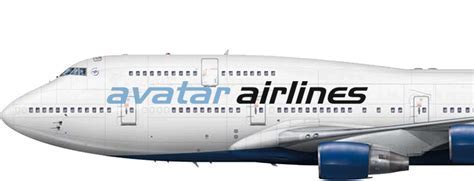
In 2019, Avatar Airlines once again announced a revival. As of March 2020, the airline was listed as headquartered in Boca Raton with Barry Michaels returning as CEO. The updated plan maintained the core strategy: operate a Boeing 747 fleet offering ultra-low-cost fares, with the added intention of long-haul cargo transportation to boost revenue.
The Vision: Combining Passenger and Cargo Services
Avatar Airlines’ revised model incorporates dual-revenue streams—carrying both passengers and long-haul cargo. The use of Boeing 747s allows for substantial belly cargo capacity, which could offset the razor-thin margins of low-cost passenger fares. By leveraging cargo operations, the airline aims to improve profitability and sustainability, a strategy that could differentiate it from other ultra-low-cost carriers.
Why Avatar Airlines Has Yet to Fly
Despite its bold ambitions, Avatar Airlines has faced numerous challenges:
- Regulatory Barriers: Multiple failed DOT and FAA applications due to management credibility issues.
- Financial Constraints: Difficulty in securing the substantial capital required for operating a Boeing 747 fleet.
- Industry Skepticism: Analysts question the viability of using large, fuel-hungry aircraft for a low-cost model.
- Reputational Damage: Past legal troubles continue to cast a shadow over investor confidence.
Lessons from Avatar Airlines’ Struggles
The story of Avatar Airlines underscores the complexity of launching a new airline, especially in the ultra-competitive U.S. market. It highlights the importance of regulatory compliance, financial transparency, and operational feasibility. Moreover, it reveals the risks of over-reliance on ambitious, unconventional strategies, such as deploying an all-747 fleet for budget travel.
The Future: Can Avatar Airlines Still Take Off?
As of 2025, Avatar Airlines has yet to obtain FAA and DOT certification, and no official launch date has been announced. However, the ongoing interest in affordable long-haul travel, coupled with the potential for freighter operations, could keep the project alive if it can secure credible leadership and adequate funding.
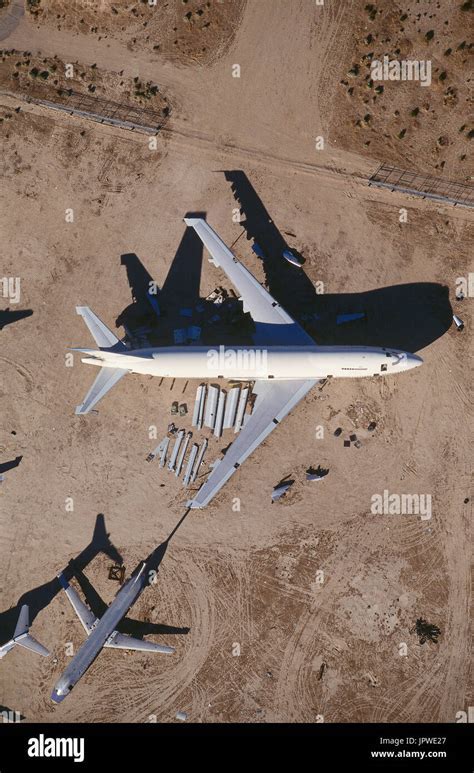
For now, Avatar Airlines remains an airline in waiting—a fascinating case study in the challenges of combining low-cost aviation with jumbo-jet operations. Whether it eventually takes flight or becomes a permanent fixture in aviation’s graveyard of unfulfilled ambitions remains to be seen.
Avatar Airlines represents both the potential and pitfalls of ambitious airline startups. Its journey from Family Airlines to Avatar Airlines is one of visionary ideas, regulatory setbacks, and repeated reinvention. Whether it will finally soar or remain grounded is a question that only time—and significant capital—can answer.