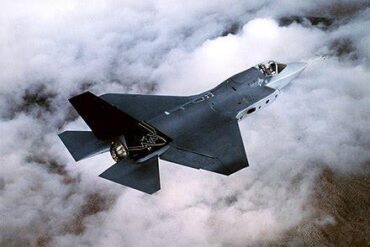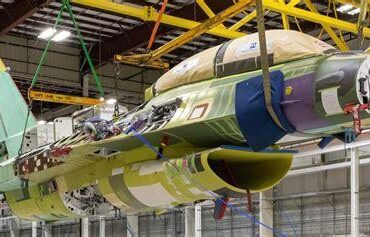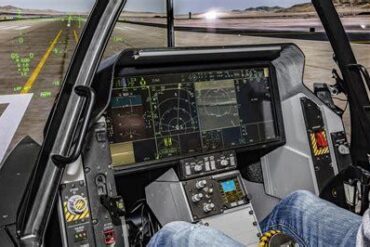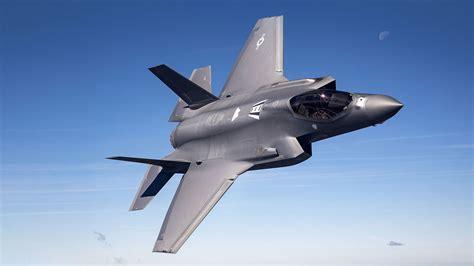
Lockheed Martin is preparing to redefine aerial warfare with its ambitious vision for the F-35 stealth fighter, soon to be available with pilot-optional capabilities. This potential transformation marks a pivotal shift in how next-generation air power could be deployed—balancing human skill with artificial intelligence in highly contested environments. The announcement, made by CEO Jim Taiclet at the Bernstein’s 41st Annual Strategic Decisions Conference, reveals that the company is developing an advanced version of the F-35 Lightning II, which could operate without a human pilot within a “relatively modest time frame.”
More than a leap in hardware, this initiative underscores Lockheed Martin’s intent to keep the F-35 at the heart of the U.S. and allied air fleets, even as sixth-generation fighters like the F-47 (developed by Boeing under the Next Generation Air Dominance (NGAD) program) loom on the horizon.
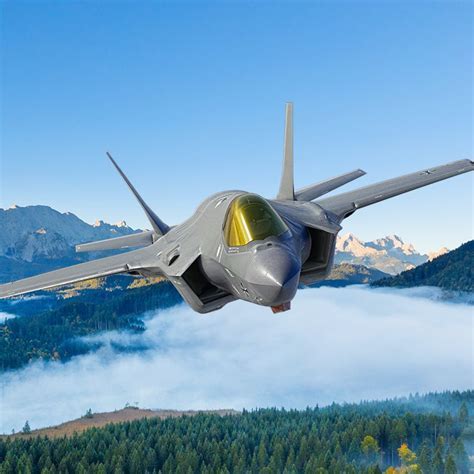
The Fifth-Gen-Plus Concept: Enhancing the F-35 Beyond the Horizon
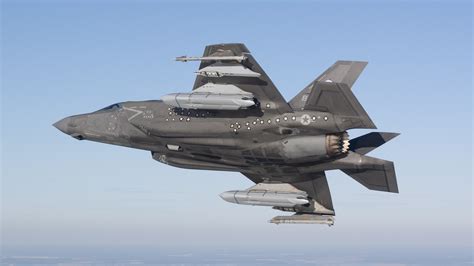
Rather than starting from scratch, Lockheed Martin is turning its attention to maximizing existing platforms. Taiclet introduced the term “fifth-gen-plus” to describe a series of upcoming enhancements to both the F-35 and F-22 Raptor, integrating technologies from Lockheed’s unsuccessful NGAD bid. This includes new stealth coatings, reshaped surfaces to improve radar evasion, advanced electronic warfare systems, and revamped weapons capabilities.
These upgrades aim to deliver roughly 80% of sixth-generation capabilities at only 50% of the cost, providing a compelling value proposition for the Pentagon and international customers.
“We’re basically going to take the [F-35] chassis and turn it into a Ferrari,” Taiclet said, underscoring the transformative ambition behind the effort.
A Seamless Interface with Sixth-Gen and Unmanned Fleets
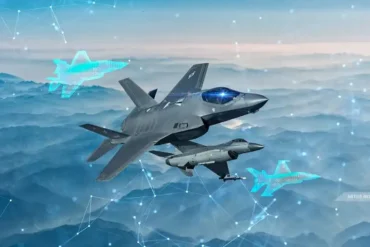
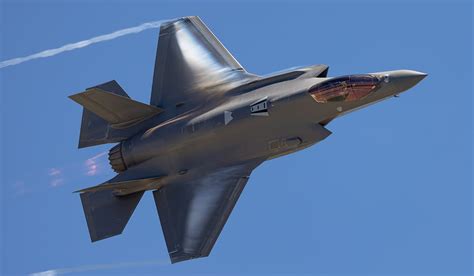
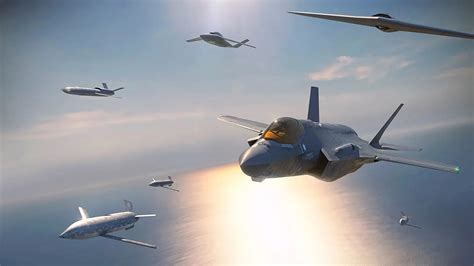
The modular architecture of the F-35 provides fertile ground for scalable innovation. Lockheed Martin envisions the jet not merely as a standalone platform but as a central node in a distributed air combat network. This includes direct interface with sixth-generation aircraft and uncrewed combat drones, positioning the F-35 as a bridge between the legacy and future fighter paradigms.
This approach aligns closely with the U.S. Air Force’s Collaborative Combat Aircraft (CCA) initiative, which prioritizes the development of loyal wingmen—uncrewed aircraft that can accompany piloted jets on high-risk missions. These AI-powered drones may carry sensors, deploy jamming equipment, or even fire weapons under pilot command or autonomous decision-making protocols.
Autonomous Flight: A Proven Concept Takes to the Battlefield
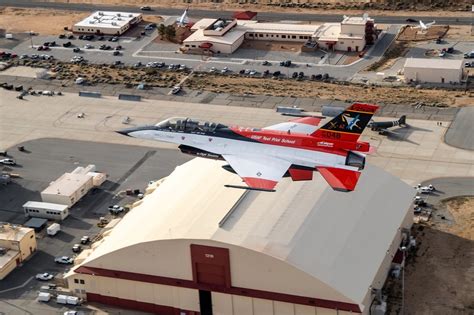
Lockheed Martin’s pilot-optional concept isn’t being developed in a vacuum. The U.S. Air Force and DARPA have already demonstrated working models of autonomous air combat using the X-62A VISTA, an F-16 modified to test AI agents in dogfighting scenarios. In 2024, former Air Force Secretary Frank Kendall participated in a test flight, witnessing multiple AI agents maneuvering against a manned F-16.
These real-world experiments provide invaluable data to engineers and military planners, helping refine autonomous decision-making algorithms that could be integrated into future F-35 upgrades. The idea is not to replace human pilots entirely but to offer flexibility—allowing the aircraft to switch between crewed and uncrewed modes depending on mission complexity, threat level, and operational logistics.
Addressing Cost and Capability Challenges in the F-35 Program
Despite its technological prowess, the F-35 program has not been without controversy. With over 1,200 units delivered to 13 nations and lifetime program costs exceeding $2 trillion, the jet has faced scrutiny over sustainability, maintenance, and mission-capable rates. The U.S. Government Accountability Office (GAO) reported that the F-35 consistently fails to meet key performance goals.
Lockheed Martin’s fifth-gen-plus roadmap seeks to correct this trajectory. By repurposing advanced technology originally slated for the NGAD, the company aims to lower costs and improve effectiveness. These upgrades will be rolled out incrementally, ensuring continuous enhancement without disrupting operational readiness.
Integrating AI, EW, and Next-Level Stealth
One of the hallmarks of sixth-generation air combat is the seamless fusion of automation, stealth, and electronic warfare. Lockheed’s plan brings these features to the F-35 via:
- New stealth coatings and geometrical modifications to reduce radar cross-section.
- Electronic warfare enhancements to jam enemy radars and communications.
- Upgraded weapons systems that leverage AI for targeting and threat response.
This suite of capabilities—built into the airframe through software-defined architecture—will allow F-35s to operate more independently and in closer coordination with unmanned systems.
The Geopolitical Context: Autonomy as a Deterrence Multiplier
The global strategic environment increasingly demands mass, agility, and survivability. In a hypothetical confrontation with near-peer adversaries such as China or Russia, pilot-optional aircraft offer an unmatched advantage. They can be deployed for dangerous missions without risking pilot lives, serve as decoys, or function as highly expendable assets when operating in swarms.
This makes the F-35’s transformation not just a technological milestone, but a strategic recalibration of how air superiority is attained and maintained. In essence, Lockheed is creating a platform that learns, evolves, and fights smart—whether or not a human is onboard.
From Prototype to Battlefield: The Timeline for Transformation
According to Taiclet, many of the planned fifth-gen-plus upgrades could become reality within two to three years. The roadmap envisions a series of software and hardware updates rolled out in modular blocks, each one adding new levels of capability. While some enhancements may take longer due to regulatory, logistical, or testing constraints, Lockheed’s short-term goal is clear: rapidly deliver a meaningful increase in operational capacity.
The pilot-optional F-35 is expected to follow a hybrid integration strategy, likely undergoing initial deployment in semi-autonomous support roles before achieving full independent mission capabilities. This cautious approach ensures mission integrity while steadily building trust in the aircraft’s autonomous systems.
Conclusion: Toward a Future Where Pilots Are Optional but Still Crucial
The evolving F-35 concept reflects the broader transformation of modern warfare. By becoming pilot-optional, the fighter doesn’t diminish the role of human pilots—it elevates their strategic value, allowing them to command, coordinate, and oversee from safer distances. Lockheed Martin’s roadmap offers a pragmatic yet visionary path forward, combining proven performance with disruptive innovation.
With rivals pressing ahead in hypersonics, drone warfare, and electronic jamming, maintaining air dominance is more critical than ever. The pilot-optional F-35 stands as a testament to what’s possible when decades of aerospace mastery meet the cutting edge of artificial intelligence.