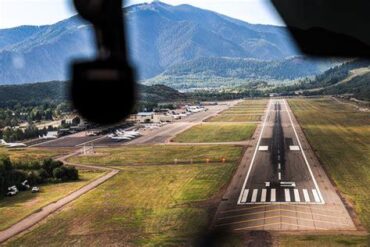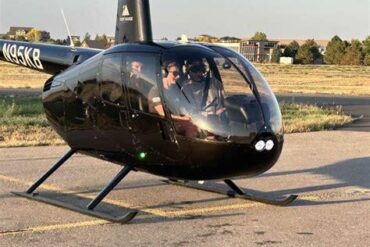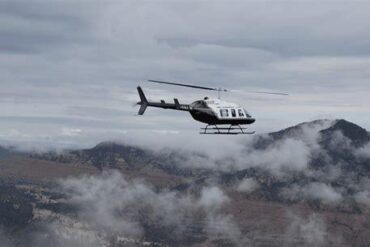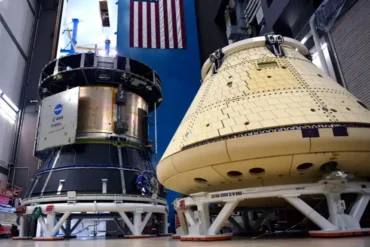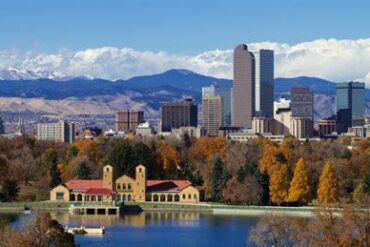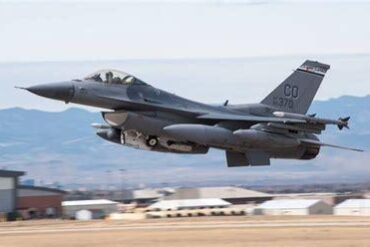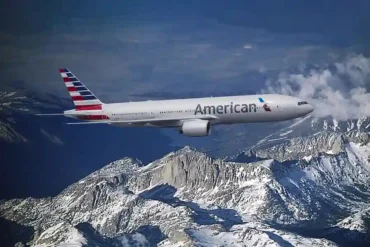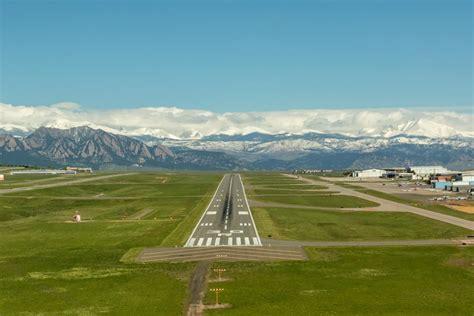
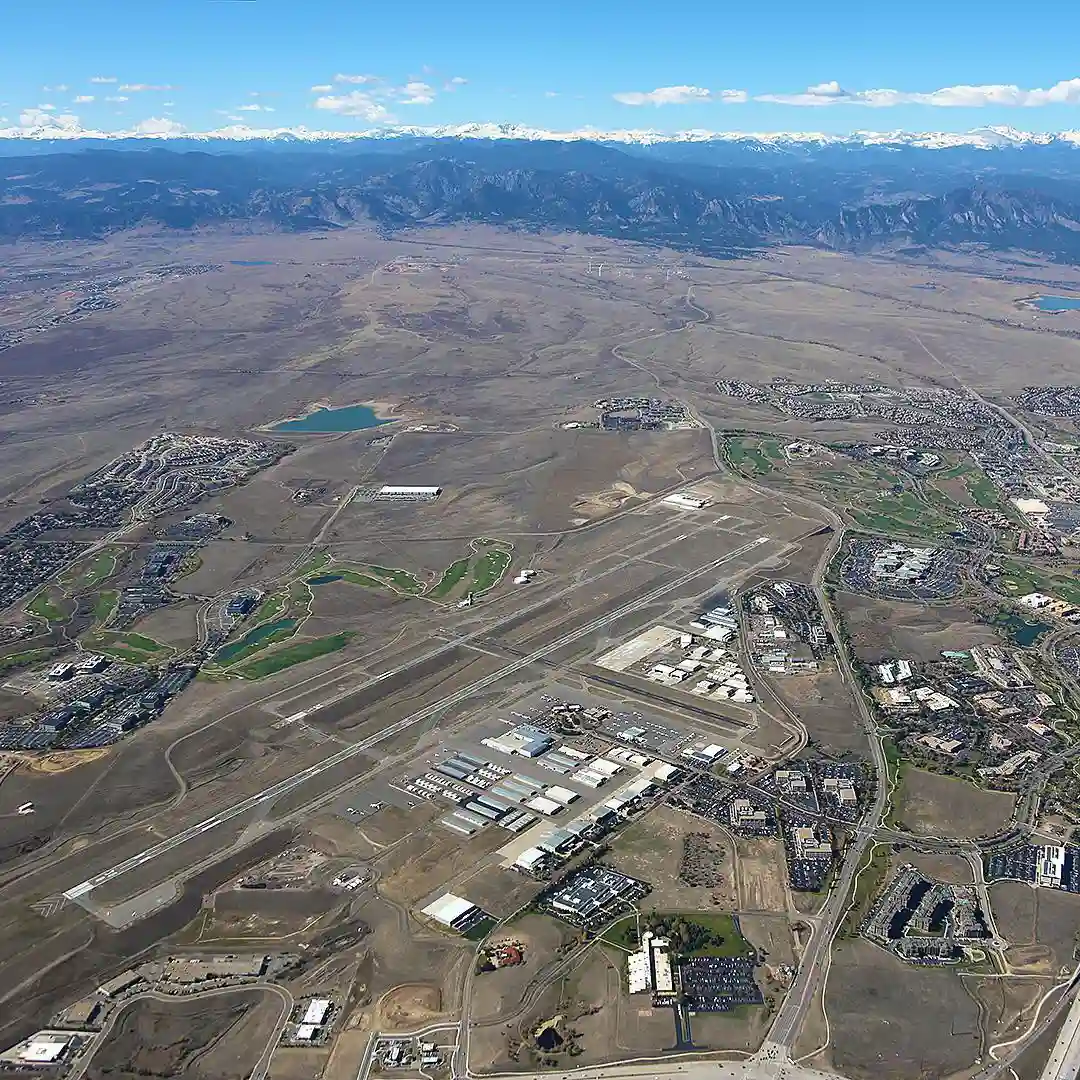
Nestled in Jefferson County, Colorado, Rocky Mountain Metropolitan Airport (RMMA)—also known by its IATA code BJC—stands as one of the most pivotal general aviation airports in the American West. Conveniently located just 16 miles northwest of downtown Denver, and midway between Denver and Boulder, this airport has transformed from a regional general aviation field into a dynamic, multi-functional airspace ecosystem serving commercial, corporate, emergency, and firefighting operations. Owned and operated by Jefferson County, RMMA not only boasts impressive infrastructure but also embodies the strategic vision necessary to sustain Colorado’s growing aviation demands.
A History of Purpose and Progress
Established in 1960 under the name Jefferson County Airport, the facility was originally conceived to support a growing suburban corridor and act as a reliever for Denver Stapleton Airport. Over the decades, the airport adapted to surging aviation needs, and on October 10, 2006, it was officially renamed Rocky Mountain Metropolitan Airport—a designation that better reflected its expanding regional and commercial role.
One of the most significant infrastructural upgrades occurred in February 2012, when the Federal Aviation Administration unveiled a $23.7 million control tower complex. This 124-foot tall structure, complete with a 525-square-foot tower cab and advanced surveillance and communication systems, gave RMMA the capability to manage increased aircraft traffic with higher precision and safety standards. The base of this tower includes 6,000 square feet of administrative and operations space, enhancing both airside and landside coordination.
Strategic Location and Modern Infrastructure
RMMA’s location along U.S. Highway 36, often referred to as the Denver–Boulder Turnpike, situates it within proximity to two of Colorado’s most vital economic centers. This accessibility has made it the airport of choice for corporate aviation, particularly for executives traveling to the nearby Interlocken Business District, home to major tech firms and national headquarters.
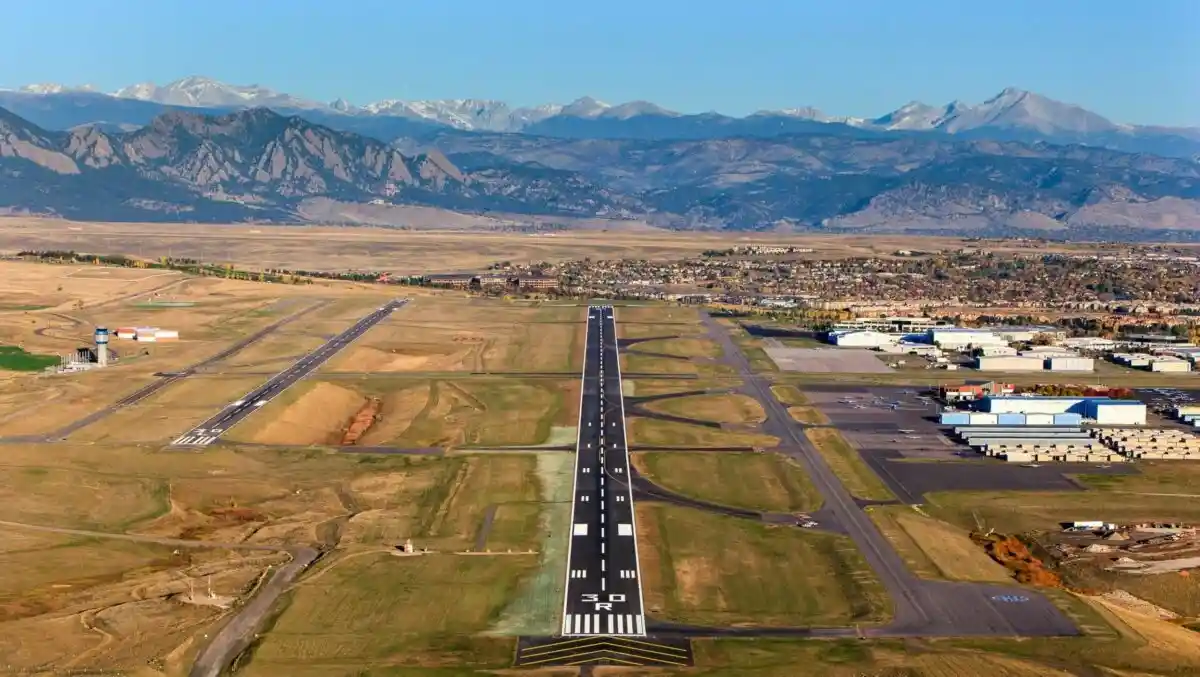
The airport spans 1,700 acres (688 hectares) and sits at an elevation of 5,673 feet (1,729 meters) above sea level. RMMA features three asphalt runways, each designed to accommodate a variety of aircraft classes:
- Runway 12L/30R: 9,000 ft (2,743 m) – primary runway for jet traffic
- Runway 12R/30L: 7,002 ft (2,134 m)
- Runway 3/21: 3,600 ft (1,097 m)
In November 2014, all runways were renumbered to align with changes in magnetic variation. Simultaneously, Runway 12L/30R underwent an $8.83 million renovation, enhancing its surface and safety profile to accommodate heavy corporate jet operations and aerial firefighting aircraft.
Corporate Aviation and Aerospace Industry Expansion
The presence of high-end hangar facilities and streamlined FBO services makes RMMA a hub for business aviation. The airport hosts two primary Fixed-Base Operators (FBOs): Signature Flight Support and Sheltair. The latter began its operations in 2019 with a temporary modular facility and has since expanded toward full-scale service infrastructure, positioning itself as a premium gateway to the western U.S.
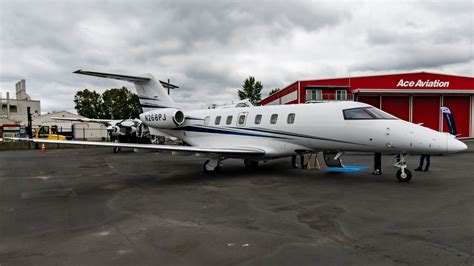
Pilatus Aircraft, a key player in the global aviation market, selected RMMA as the base for its North American completion center. Ground was broken in July 2016 on a 188,000-square-foot facility, which became fully operational in June 2018, focusing on the final outfitting of the PC-24 Super Versatile Jet. This commitment by Pilatus not only speaks to the airport’s technical capabilities but also signals confidence in its long-term strategic viability.
Flight Training and Workforce Development
In line with the rising demand for commercial pilots, RMMA has positioned itself as a cornerstone for aviation education in the Mountain West. In December 2019, ATP Flight School opened its second Denver-area flight training center at RMMA, offering a fast-track path for aspiring airline pilots. With modern training aircraft and advanced simulators, ATP contributes to a growing pipeline of aviation professionals.
Aerial Firefighting at the Jeffco Airtanker Base
One of RMMA’s most critical roles is supporting the United States Forest Service (USFS) via the Jeffco Airtanker Base (ATB). Established in 1983, this facility has been instrumental in containing some of the most devastating wildfires in the Colorado Front Range, including:
- Hayman Fire (2002)
- Four Mile Canyon Fire (2010)
- High Park Fire (2012)
- East Troublesome Fire (2020)
- Cameron Peak Fire (2020)
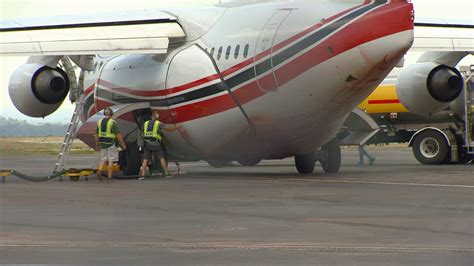
During the 2020 wildfire season, RMMA supported over 50 fire missions, delivering an unprecedented 1.7 million gallons of fire retardant. The ATB operates seasonally but remains on standby during prolonged drought years.
Despite being within range of the December 2021 Marshall Fire, RMMA was unable to deploy air support due to extreme winds exceeding 100 MPH. However, the airport still played a role in the recovery process. When President Joe Biden visited the affected area, Air Force One landed at Denver International Airport, and a presidential helicopter transported the Bidens to RMMA, from which their motorcade traveled to Louisville, Colorado.
Airline Connectivity and Charter Services
While primarily a general and business aviation airport, RMMA also supports limited commercial service. Boutique carrier JSX operates public charter flights to destinations such as:
- Burbank, California
- Dallas Love Field, Texas
- Scottsdale, Arizona
- Las Vegas, Nevada
- Taos, New Mexico
JSX utilizes semi-private jet service from RMMA, offering a unique middle ground between private charter and commercial air travel. This service model suits the region’s business travelers and luxury leisure clientele, enhancing RMMA’s relevance beyond traditional general aviation.

Safety Record and Incidents
Despite its broad operational scope, RMMA has maintained a strong safety record. However, like any airport with high traffic volumes, it has experienced isolated incidents:
- In 1997, an F-86 Sabre performing in an airshow crashed, tragically killing the pilot.
- On July 17, 2022, a Cessna 336 sightseeing flight ended in a fatal crash near Boulder.
- On September 18, 2022, a Cessna 172 and a Sonex aircraft collided mid-air, resulting in three fatalities.
These events are exceptions in RMMA’s decades-long commitment to stringent air traffic and flight training safety protocols. Investigations by the National Transportation Safety Board (NTSB) are routinely conducted to ensure improvements in procedures and pilot awareness.
Future Development and Innovation: Verve Innovation Park
Looking ahead, RMMA is poised for further expansion and modernization. The airport is part of a long-term 30-year master plan, involving the development of the Verve Innovation Park—an ambitious mixed-use area envisioned for aviation, commercial, and light industrial use. Located southwest of the existing runways, the project is designed to attract aerospace R&D, drone testing, and next-generation mobility platforms, including electric vertical takeoff and landing (eVTOL) systems.
As part of this development, companies such as FedEx have already secured plans for logistics centers, underscoring the site’s role in Colorado’s future transportation and innovation ecosystem.
Conclusion: Colorado’s Aviation Keystone
Rocky Mountain Metropolitan Airport is no longer a secondary regional field—it is a critical infrastructure asset within the Colorado Front Range. From its role in firefighting and business aviation to its development in aerospace and flight education, RMMA continues to surpass expectations. Its robust operational stats—over 262,000 aircraft operations annually, nearly 500 based aircraft, and an expanding portfolio of commercial and logistical services—reinforce its status as Colorado’s strategic aviation keystone.
With its ideal location, modern facilities, and expanding business potential, Rocky Mountain Metropolitan Airport is shaping the future of mid-sized American airports—not only as a gateway to the Rocky Mountains, but as a hub of resilience, innovation, and connectivity.