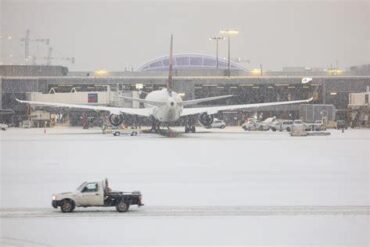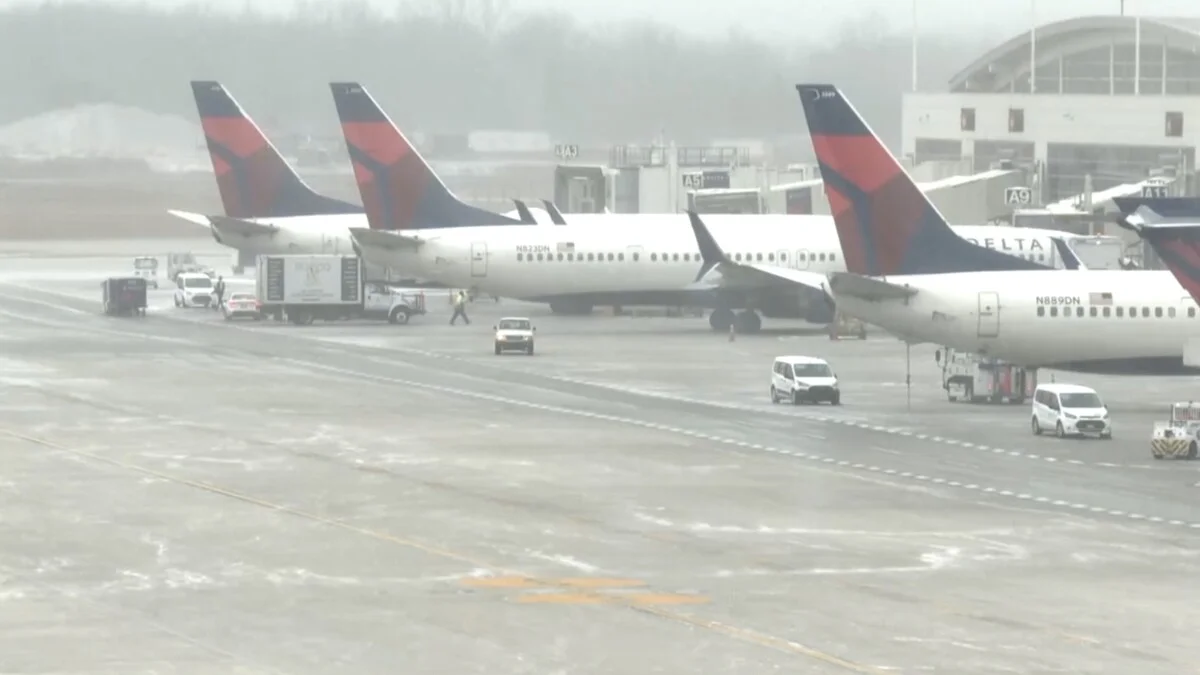
On December 29, a powerful snowstorm swept across the Midwest, bringing air travel to a halt at one of the region’s busiest hubs—Detroit Metropolitan Wayne County Airport (DTW). As the storm intensified, the Federal Aviation Administration (FAA) issued a full ground stop effective until midnight, severely affecting operations, particularly for Delta Air Lines and its affiliates.
FAA Imposes Ground Stop Amid Hazardous Weather Conditions
The FAA’s directive came in two waves: the first was issued at 5:30 AM, temporarily lifted by 7:45 AM, but reinstated later in the afternoon as snow intensified. The full ground stop remained in place until 11:59 PM, essentially suspending all flights in and out of DTW for the majority of the day. With visibility plummeting and winds howling, conditions made it unsafe for aircraft to operate.
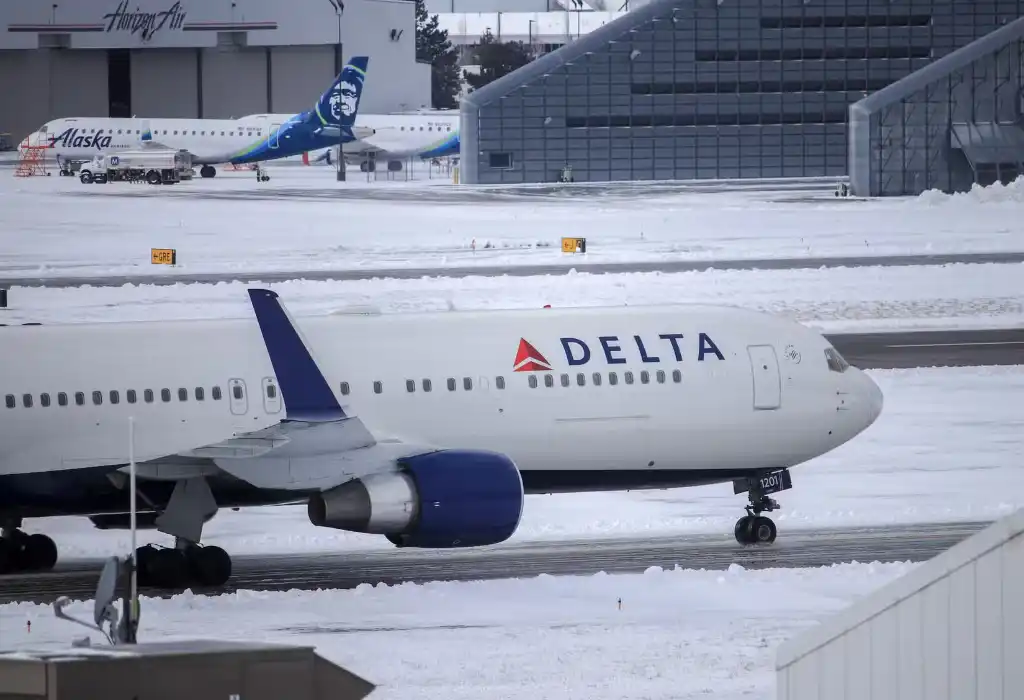
Detroit, already a challenging hub during winter, experienced widespread operational disruptions. More than 46 outbound flights were canceled, with 43 inbound flights also grounded. In total, nearly 300 departures were delayed—accounting for 68% of flights—and 250 arrivals suffered similar fates, representing 58% of scheduled traffic, according to FlightAware data.
Delta Air Lines Faces the Brunt of the Disruptions
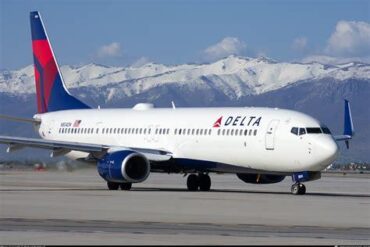
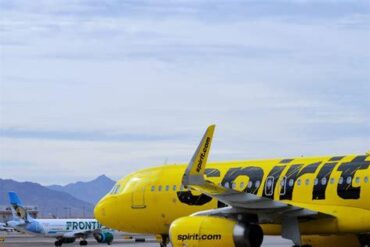
Delta Air Lines, which maintains a major hub at DTW, bore the brunt of the shutdown. Its regional subsidiary Endeavor Air, along with partners SkyWest Airlines and Republic Airways, were hit hard. Spirit Airlines also reported significant disruptions. These carriers, which account for the majority of DTW’s passenger volume, were left scrambling to manage stranded passengers and reroute crews and aircraft.
The snowstorm’s impact stretched beyond Detroit, however. Airports in Toronto and Chicago O’Hare also reported major delays and cancellations. But Detroit’s full ground stop was uniquely disruptive, affecting operations during a peak holiday travel period, just days after Christmas.
Snowstorms and Aviation Safety: Why Ground Stops Are Necessary
Snow might seem picturesque, but for aviation, it poses serious risks. Accumulated snow and ice can disrupt the aerodynamics of aircraft, especially if it builds up on wings, fuselage, or critical sensors. Ice can reduce lift, compromise control surfaces, and interfere with engine performance.
Airlines typically rely on deicing systems—both onboard and from ground-based deicing trucks—to manage these threats. The process is time-consuming and costly, and during heavy storms, deicing queues grow long, contributing to cascading delays. Moreover, low visibility, crosswinds, and runway contamination complicate takeoffs and landings, triggering operational thresholds that often lead to mandatory ground stops.
Such decisions are not taken lightly. Safety remains paramount, and as frustrating as delays are for passengers, they are infinitely preferable to airborne risks. The FAA’s decision to impose a full-day stop illustrates the storm’s exceptional severity.
Ripple Effects from a Prior Snowstorm in the Northeast
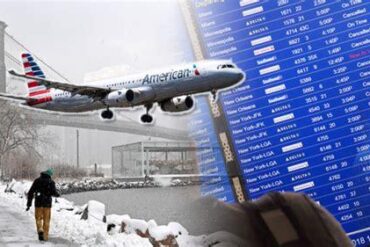
This week’s Midwest storm followed closely on the heels of another record-breaking snowstorm that struck the Tristate Area just days earlier. On Friday, December 26, New York and surrounding areas were buried under several inches of snow, paralyzing three major airports: JFK, LaGuardia, and Newark. Airlines were forced to cancel over 1,500 flights, affecting not just passengers in the Northeast but connecting travelers across the country.
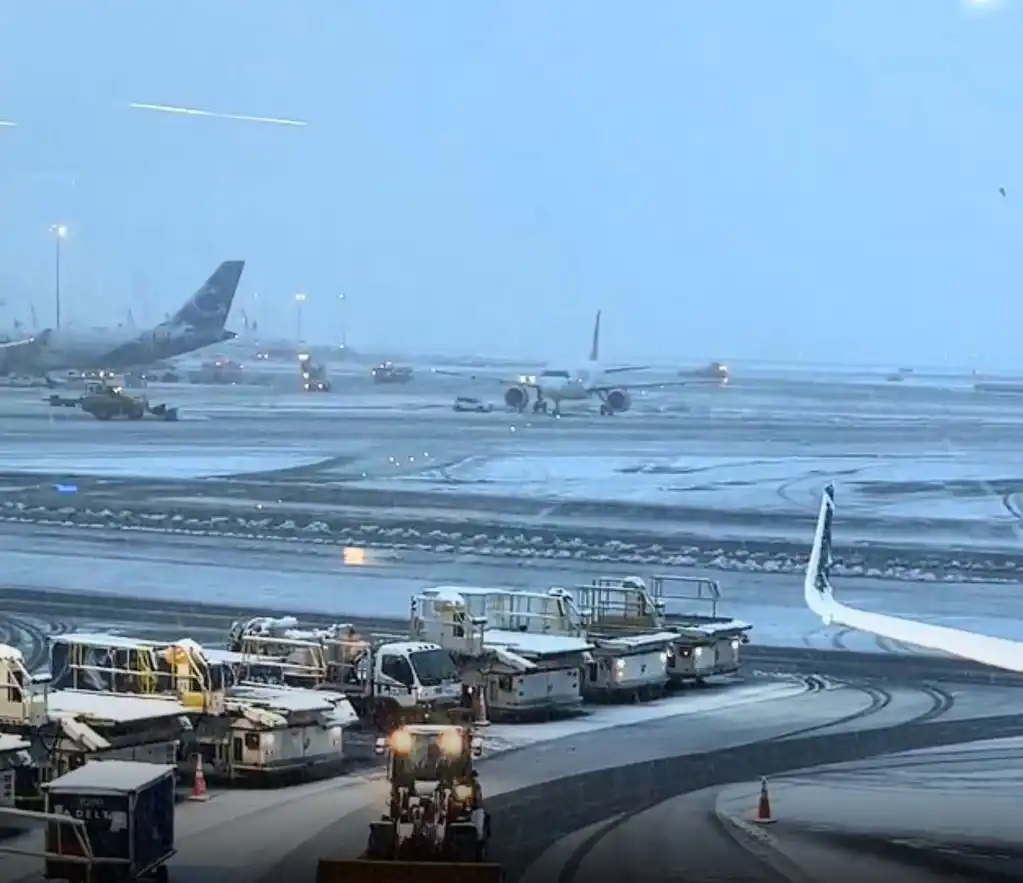
Delta, which has hubs in JFK, LaGuardia, and Boston, faced operational hurdles even before the Detroit storm. The airline’s struggle to rebound from the New York disruption compounded the challenges in Detroit. By comparison, United Airlines, with a stronghold at Newark, and American Airlines, with less exposure in the Northeast, recovered more swiftly.
Holiday Travel Chaos Amid Record Passenger Volume
The timing couldn’t have been worse. Post-Christmas air travel is traditionally one of the busiest periods of the year, and 2025 was expected to set passenger records. With carriers operating at near-full capacity to meet demand, any interruption, particularly one of this magnitude, caused a domino effect across airline networks.
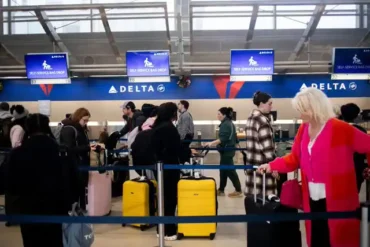
Stranded travelers found themselves rebooking flights, sleeping in terminals, and navigating crowded customer service lines. Many flights were fully booked for days, making quick rebooking impossible.
Airlines employed every available strategy to manage the chaos—from waiving change fees to deploying reserve crews and aircraft. But logistics, weather, and resource limitations often made timely recovery unfeasible.
The Complexity of Airline Recovery After a Storm
Flight delays and cancellations are just the surface of the problem. The real challenge for airlines is the complex recovery that follows. Aircraft must be repositioned, crew schedules rebuilt, and airport slots renegotiated. With the added pressure of ongoing winter weather and tight holiday schedules, recovery can take several days.
Delta’s hub-and-spoke model exacerbates these challenges. When one hub goes down—like DTW—entire routes get bottlenecked. Passengers flying from less-affected airports may still find themselves delayed or canceled because their aircraft or crew are stuck elsewhere.
And while low-cost carriers like Spirit operate more point-to-point services, they often lack redundancy and excess capacity, making recovery equally difficult once operations are disrupted.
Lessons from the Storm: Infrastructure, Planning, and Resilience
Events like this highlight the fragility of air travel infrastructure during extreme weather. While airlines and airports have made significant investments in deicing facilities, snow removal, and weather monitoring, extreme systems like this one are increasingly common due to shifting climate patterns.
Passengers, too, are learning to manage expectations. Flexibility, travel insurance, and proactive planning—such as booking morning flights and avoiding tight layovers—have become essential strategies for navigating winter travel.
Airports like Detroit may also need to consider greater investments in resilience, including expanded deicing pads, faster snow removal equipment, and improved sheltering options for stranded passengers.
Looking Ahead: A Wake-Up Call for the Aviation Industry
The Detroit ground stop isn’t just a weather story—it’s a logistical cautionary tale. As the industry grapples with climate volatility, record demand, and tight operational margins, events like this will become more frequent and more impactful.
For airlines, it’s a reminder to bolster contingency planning, invest in flexible scheduling, and improve real-time communication with passengers. For regulators and airports, it underscores the urgency of weather-related infrastructure adaptation.
And for travelers, it’s another lesson in the unpredictable nature of flying in the modern era—where even the best-laid plans can be grounded by a snowstorm.