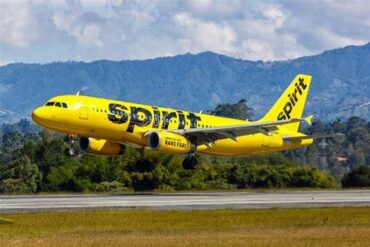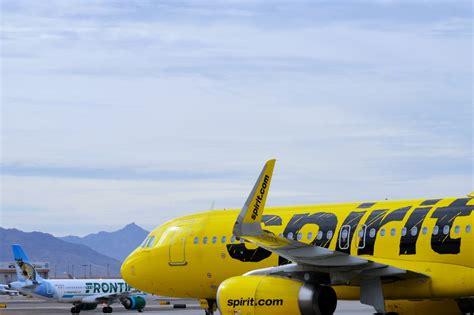
On July 4, 2025, Spirit Airlines faced an unexpected incident at its maintenance hangar located at Detroit Metropolitan Wayne County Airport (DTW). The situation arose when a lightning strike triggered the automated fire suppression system, which released foam that engulfed five Airbus aircraft in a thick layer of firefighting foam. Fortunately, there were no injuries reported, and flight operations remained unaffected during this chaotic event. However, the implications for travelers and the airline’s operations are significant and merit closer examination.
The incident occurred due to a false alarm caused by lightning striking sensors that activated the foam suppression system designed to combat potential fires. This system, built to respond rapidly to smoke or flames, unfortunately malfunctioned and led to a rapid deployment of foam throughout the 126,000-square-foot hangar, which quickly spilled into adjacent areas due to the hangar doors being wide open at the time of the incident.
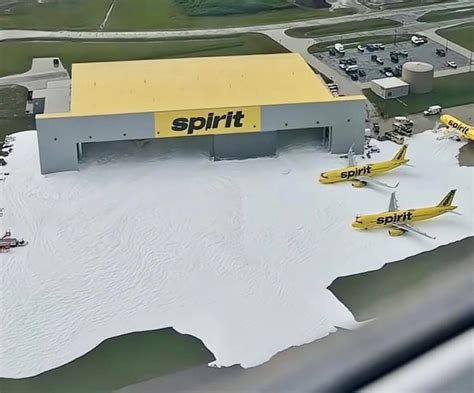
Immediate Aftermath: Safety and Environmental Concerns
Although the FAA and Spirit Airlines confirmed that there were no injuries, the foam discharge raised immediate safety and environmental concerns. The foam material used in firefighting systems is often PFAS-based, known for its corrosive properties. This raises alarms about potential damage to critical aircraft systems, including avionics, engines, and electrical components. The collaboration between the Wayne County Airport Authority’s response teams and Spirit’s maintenance crew commenced on July 5, focusing on cleanup efforts and thorough inspections of the affected aircraft.
The incident involved two aircraft types—Airbus A320 and A321 models, both of which were subjected to rigorous scrutiny to determine airworthiness post-exposure to the foam. Although Spirit Airlines assured customers that their flight schedules would not face immediate disruptions, the process of assessing the extent of any damage has become a pressing concern. All affected aircraft must undergo a meticulous inspection process to ensure they are safe for operation before returning to service, as mandated by the FAA.
FAA Regulations and the Role of Fire Suppression Systems
The FAA stipulates stringent regulations regarding the installation of fire suppression systems in hangars serving transport-category airplanes. These systems are crucial for ensuring rapid response to fire threats. However, the current design lacks the ability to differentiate between genuine threats and false alarms, as evidenced by the incident at DTW. The FAA has not yet issued new advisories or guidelines in light of this event, but it is anticipated that the findings from the investigation will lead to improvements in sensor technology and operational protocols.
The Human Element: Response from Spirit Airlines Staff
The unanticipated foam release posed a considerable challenge to Spirit Airlines’ maintenance team, who were caught off guard. FAA spokesman Patrick Dawson highlighted the importance of a swift response, noting that a delayed reaction could have resulted in severe damage. Historical context reveals that similar incidents, such as the 2020 foam deployment involving American Airlines in Dallas, resulted in millions of dollars in repair costs and aircraft grounded due to corrosion concerns. This incident serves as a critical reminder of the need for effective oversight and maintenance of safety systems that, while protective, can also introduce complications if not managed properly.
Future Steps for Grounded Aircraft
In the wake of the foam incident, all affected Spirit Airlines aircraft must undergo comprehensive checks for foam-induced corrosion, particularly in avionics bays, structural welds, and engine components. The nature of the foam’s chemical composition means that this inspection process could extend over days or even weeks, especially if significant damage is detected. To expedite the decontamination process, Spirit Airlines has engaged off-site cleaning services, aiming to minimize downtime and ensure aircraft are restored to operational status.
While Spirit Airlines has communicated that they do not anticipate drastic impacts on their air service, travelers should remain aware of potential delays or cancellations should inspections reveal the need for additional repairs.
Environmental Implications of PFAS Foam
A pressing concern arising from this incident is the environmental impact associated with PFAS-containing foam. Known for its persistent nature, this type of foam poses risks of soil and water contamination. The FAA typically mandates containment features, including drains and filters, to prevent environmental leakage. However, it remains unclear if the DTW hangar fully complied with these regulatory requirements. This aspect will undoubtedly be scrutinized in forthcoming FAA inspections.
In immediate response to the incident, FAA engineers implemented short-term measures, including sealing ground-level detectors and drain seals. Furthermore, a formal study is scheduled later this year to assess hangar design and fire suppression system methodologies, aiming to identify potential safety improvements.
Concluding Thoughts: Resilience and Safety in Aviation
Despite the chaotic foam spread throughout the hangar, Spirit Airlines’ maintenance crews and personnel exhibited remarkable resilience and professionalism. Their effective handling of the situation underscores the importance of fire suppression systems while simultaneously highlighting areas for potential enhancements in design and operation. The proactive measures taken ensured no aircraft were grounded for an extended period, and the safety of personnel was maintained throughout the ordeal.
Although planes were temporarily grounded, the urgency and competence demonstrated by the teams involved reflect the aviation industry’s unwavering commitment to safety. This incident, while a setback, will serve as a valuable learning experience for both Spirit Airlines and the FAA, guiding future improvements in safety protocols and ensuring that the skies remain safe for passengers and crew alike. The aviation community will undoubtedly look back on this event as a crucial moment in understanding the complexities and subtleties of safety systems, reaffirming the necessity for continual vigilance and improvement in aviation safety practices.