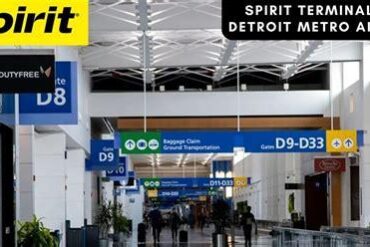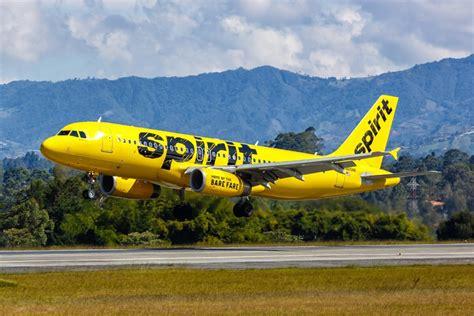
Spirit Airlines is currently navigating a significant operational disruption following a lightning strike that activated a fire suppression foam system at Detroit Metropolitan Wayne County Airport (DTW) during a severe storm on July 4, 2025. This unexpected incident has resulted in the grounding of five aircraft, leading to preliminary estimates of damages potentially reaching into the millions of dollars due to the corrosive nature of the foam used in fire suppression systems.
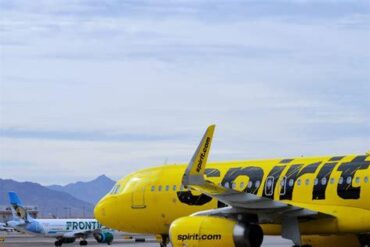
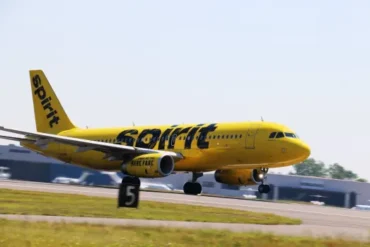
The incident unfolded around 5 PM when the foam-based fire suppression system, designed to mitigate risks in emergencies, was unintentionally discharged within the airline’s 126,000 square-foot maintenance hangar, a facility constructed in 2017 at a cost of $32 million. As the foam spread throughout the hangar and spilled onto the ramp area, it directly impacted two aircraft located inside and three more stationed outside. Among those affected were an Airbus A321 and an Airbus A320, both of which are critical assets in Spirit Airlines’ fleet.
In response to this unforeseen activation, Spirit Airlines has taken immediate measures by grounding all five affected aircraft for comprehensive inspections and cleaning. The urgency of these actions stems from the foam’s known corrosive effects, particularly on sensitive components such as wiring, avionics, and cabin interiors. Initial assessments indicate that cleaning costs could soar to around $100,000 per plane for minor exposure. However, more severe cases may require extensive repairs, potentially escalating costs to as high as $10 million per aircraft, depending on the extent of contamination and corrosion.
Despite the scale of this disruption, Spirit Airlines has confirmed that there were no injuries reported among staff or passengers. The airline has engaged a specialized cleanup contractor to manage the situation effectively, with assistance from local first responders to contain the foam immediately following its discharge. The swift action is crucial, as fire suppression foam needs to be addressed promptly, ideally within 24 hours, to minimize long-term damage and ensure the safety and reliability of the aircraft.
This incident raises several critical questions about the robustness of fire suppression systems in aviation. While such systems are essential for fire control during emergencies, they can inadvertently create additional hazards when activated without cause. In recent years, similar occurrences have been documented across the aviation industry, indicating that this is not an isolated event. For instance, in 2020, two American Airlines Boeing 787 aircraft at Dallas/Fort Worth International Airport (DFW) were covered in foam, resulting in extended inspections due to operational slowdowns caused by the pandemic. Similarly, a foam incident in 2014 at Frankfurt Airport (FRA) inflicted $5 million in damages on a Lufthansa Airbus A340.
Moreover, in 2021, Southwest Airlines faced considerable repair costs due to a foam discharge incident at Phoenix Sky Harbor International Airport (PHX). These patterns underscore an ongoing concern regarding the effectiveness and reliability of fire suppression systems, as they balance the critical need for fire prevention against the risk of unintended aircraft damage.
As investigations into the Detroit incident continue, industry experts emphasize the importance of refining fire suppression technologies. The goal is to enhance the safety features of these systems while mitigating the risks associated with their inadvertent activation. Airlines and airport authorities must collaborate on innovative solutions that can prevent fires without jeopardizing the integrity of the aircraft themselves.
In conclusion, the unexpected activation of the fire suppression foam system at Spirit Airlines’ maintenance facility serves as a stark reminder of the vulnerabilities that exist within aviation safety protocols. Although no personnel were harmed, the potential financial ramifications could be substantial, threatening to run into millions of dollars in repair expenses. This incident, along with others that have occurred in recent years, highlights the urgent need for advancements in aviation safety systems that prioritize both fire prevention and aircraft protection. As the aviation industry continues to evolve, learning from these incidents will be paramount in ensuring the safety and reliability of air travel for all.