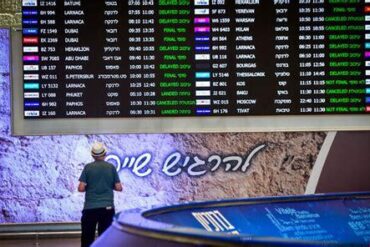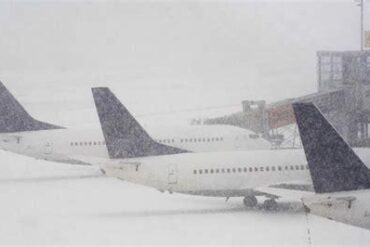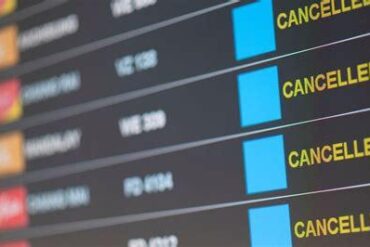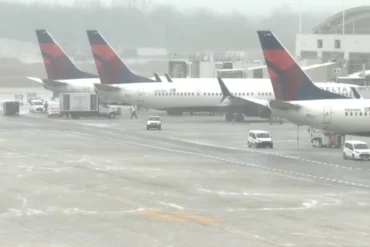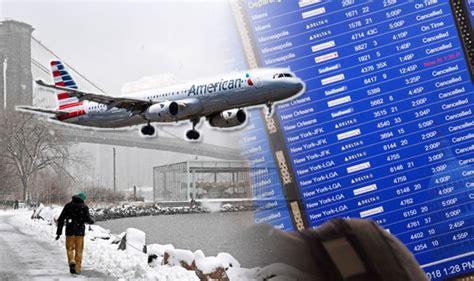
The festive season for millions of Americans was met with chaos and delays as a severe winter storm system swept through the Northeastern United States, prompting over 1,500 flight cancellations and affecting nearly 10,000 flights in total across the country. This disruption hit just as the holiday travel season was reaching its peak, with airports anticipating record-breaking passenger numbers.
Holiday Travel Derailed by Winter Weather
On Friday, December 26, 2025, the U.S. aviation system endured a massive shock as 1,693 flights were cancelled and 8,297 delayed, according to data from FlightAware. The storm—characterized by heavy snowfall, icy runways, and low visibility—blanketed key transportation hubs, including New York, New Jersey, and Philadelphia, forcing airlines to rapidly adjust operations.
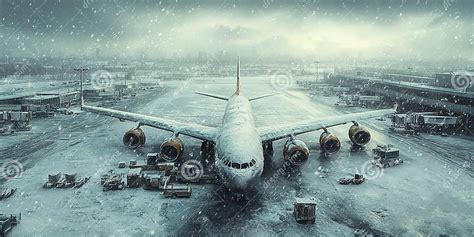
Major airports bore the brunt of the storm’s fury. New York JFK, Newark Liberty (EWR), and LaGuardia (LGA) experienced the highest volume of interruptions:
- JFK: 387 cancellations, 289 delays
- EWR: 267 cancellations, 247 delays
- LGA: 232 cancellations, 222 delays
These three airports alone accounted for more than a third of all flight disruptions, creating a domino effect across the entire national air travel system.
Passenger Chaos Amid Record-Breaking Travel Demand
The timing of the storm could not have been worse. The Airlines for America group projected 52.6 million travelers to fly between December 19 and January 5, the highest number ever recorded for this time of year. With the surge in demand and limited seat availability, passengers left stranded found it extremely difficult to rebook flights.
Recognizing the enormity of the situation, U.S. airlines implemented change-fee waivers, allowing customers to modify their itineraries without incurring penalties. However, these waivers came with conditions: changes had to be made before the end of the calendar year, limiting flexibility and stressing already overbooked systems.
Airlines Under Pressure: Operational Breakdown
The storm exposed the operational limits of major U.S. carriers. Among the worst-affected airlines, JetBlue, Delta Air Lines, and Southwest recorded the highest rates of flight cancellations and delays:
| Airline | Cancellations (Count) | Cancellations (%) | Delays (Count) | Delays (%) |
|---|---|---|---|---|
| Delta Air Lines | 253 | 7% | 883 | 27% |
| JetBlue | 230 | 23% | 345 | 34% |
| Southwest Airlines | 153 | 3% | 1,387 | 31% |
| American Airlines | 109 | 3% | 987 | 28% |
| Republic Airways | 187 | 16% | 183 | 16% |
United Airlines reported slightly better performance but still saw 97 cancellations and 856 delays. It’s important to note that Republic Airways, a regional operator, services routes for United, Delta, and American, meaning its operational issues compounded the challenges faced by major carriers.
Staffing Crisis and Government Shutdown Still Haunt Operations
The storm’s timing comes on the heels of a tumultuous few months for the U.S. aviation sector. Earlier in November, a government shutdown led to critical staffing shortages across TSA checkpoints and Air Traffic Control towers, forcing the FAA to impose a 10% flight reduction across 40 major airports. That disruption, although resolved before Thanksgiving, left systems strained and under-resourced heading into the holiday period.
Combined with this new weather event, the sector is reeling. Airlines are now racing to reassign aircraft, rebook passengers, and restore operations—tasks made increasingly difficult by ongoing labor shortages, outdated IT systems, and rigid scheduling frameworks.
Travelers Bear the Brunt
Across social media and airport terminals, travelers shared stories of missed connections, sleepless nights, and uncertain itineraries. Many waited in hours-long lines at rebooking counters, while others were redirected to airports hundreds of miles away. For families hoping to reunite over the holidays, the storm added emotional toll to logistical chaos.
Some passengers reported being stuck on tarmacs for up to four hours, as de-icing procedures caused massive ground delays. Others found themselves rebooked days later, with little accommodation support offered.
Looking Ahead: More Storms on the Horizon?
Meteorologists warn that the current winter storm may not be the last. As climate variability increases, the U.S. Northeast faces a heightened risk of frequent, intense winter systems. Airlines are being urged to invest in resilience infrastructure, from advanced weather forecasting to fleet flexibility and passenger communication systems.
Airports, too, face scrutiny. Runway de-icing capabilities, snow removal procedures, and terminal crowd management strategies will all need a serious upgrade to cope with the rising trend of climate-driven operational shocks.
Policy Response and Industry Resilience
The Department of Transportation (DOT) is expected to review the industry’s response to this storm, particularly in terms of passenger rights, timely information, and refund transparency. In recent years, Secretary Pete Buttigieg has vowed to hold airlines accountable for widespread disruptions, a position that may gain traction following this debacle.
Meanwhile, some industry analysts believe the recent chaos could accelerate ongoing discussions around aviation modernization, including:
- Increased funding for NextGen Air Traffic Control systems
- Expansion of regional airport infrastructure to reduce congestion
- Mandates for minimum customer care standards during disruptions
Conclusion: A Winter Wake-Up Call
The mass cancellation of over 1,500 flights during one of the busiest travel weeks of the year underscores a harsh reality: the U.S. aviation system remains vulnerable to external shocks, whether political or meteorological. While the swift response by airlines to waive fees helped soothe some of the chaos, the core issues—overcrowded hubs, fragile scheduling, and limited buffer capacity—remain largely unresolved.
As the holiday season continues and millions more Americans take to the skies, both the traveling public and the aviation industry are bracing for further turbulence—not just in the skies, but in how the entire system adapts to a more volatile future.