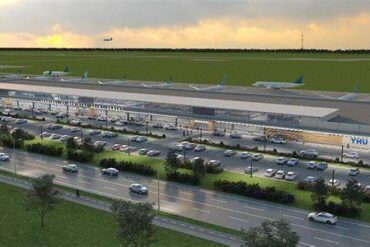
Montreal has officially welcomed a new era in regional aviation with the opening of the passenger terminal at Montreal Metropolitan Airport (YHU). Yet despite the excitement surrounding the facility’s debut, one significant limitation immediately sets it apart from other growing airports across North America: it cannot handle a single international flight.
The newly inaugurated terminal, which opened on June 15, marks a major milestone for the airport formerly known as Montreal Saint-Hubert Airport. Designed to improve domestic connectivity and support expanding airline operations, the facility is expected to transform travel options for passengers across the Greater Montreal region. However, regulatory restrictions mean that every flight departing from the airport must remain within Canada.
The opening has already attracted considerable attention from travelers and industry observers alike. The airport’s modern infrastructure, strategic location, and partnership with Porter Airlines have positioned it as one of Canada’s most closely watched aviation developments of 2026. Nevertheless, its inability to serve international destinations remains a defining characteristic of its early years.
For many passengers, the announcement of a new airport terminal naturally raises expectations of new overseas routes and expanded travel opportunities. In Montreal’s case, however, the reality is considerably more complicated.
The restriction stems from an international flight exclusivity clause connected to Montréal–Trudeau International Airport (YUL), the region’s primary aviation gateway. This agreement effectively prevents nearby competing airports from offering international services, ensuring that international passenger traffic remains concentrated at Trudeau Airport.
The clause has become a controversial topic within Canada’s aviation sector. Supporters argue that it protects the long-term viability of major hub airports and prevents fragmentation of international traffic. Critics, including advocates for greater competition, contend that such restrictions limit consumer choice and reduce opportunities for airlines to develop alternative routes.
The opening of Montreal Metropolitan Airport therefore represents a unique situation: a modern passenger facility capable of handling substantial traffic volumes, yet legally constrained from participating in international aviation markets.
After several years of planning and investment, the airport’s new terminal is finally operational and immediately serving passengers through a growing network of domestic routes.
Porter Airlines emerged as the project’s most important commercial partner, launching multiple services from the airport during its opening week. Initial destinations included Toronto Billy Bishop Airport, Vancouver International Airport, and St. John’s International Airport, creating immediate links between Montreal and several major Canadian markets.

Additional routes followed within days as Porter accelerated its expansion plans. The airline rapidly transformed the airport from a newly opened facility into a growing domestic hub serving travelers across the country.
Unlike many airport launches that begin cautiously with limited operations, Montreal Metropolitan Airport entered the market with ambitious growth targets. The speed of the route rollout reflects confidence in passenger demand and the strategic importance of offering alternatives to the often-congested Trudeau Airport.
The airport’s location is one of its strongest competitive advantages. Situated closer to many residential and commercial districts than Trudeau Airport, it offers travelers a potentially faster and more convenient departure experience. Reduced congestion on access roads and shorter terminal processing times could make the facility particularly attractive to domestic passengers seeking efficiency.
Industry forecasts suggest the airport could handle approximately one million passengers during its first year of operation. As future development phases are completed, annual capacity could eventually reach four million passengers, placing the facility among Canada’s more significant secondary airports.
Porter’s route network forms the foundation of this growth strategy. Using a combination of modern Embraer E195-E2 jets and de Havilland Dash 8-400 turboprops, the airline has established connections to major business centers and regional destinations throughout Canada.
The carrier’s expanding network includes flights to Toronto, Vancouver, Edmonton, Halifax, Calgary, Winnipeg, Charlottetown, Moncton, Hamilton, and St. John’s. Together, these destinations create a comprehensive domestic network that allows passengers to travel across the country without relying exclusively on Montreal’s primary airport.
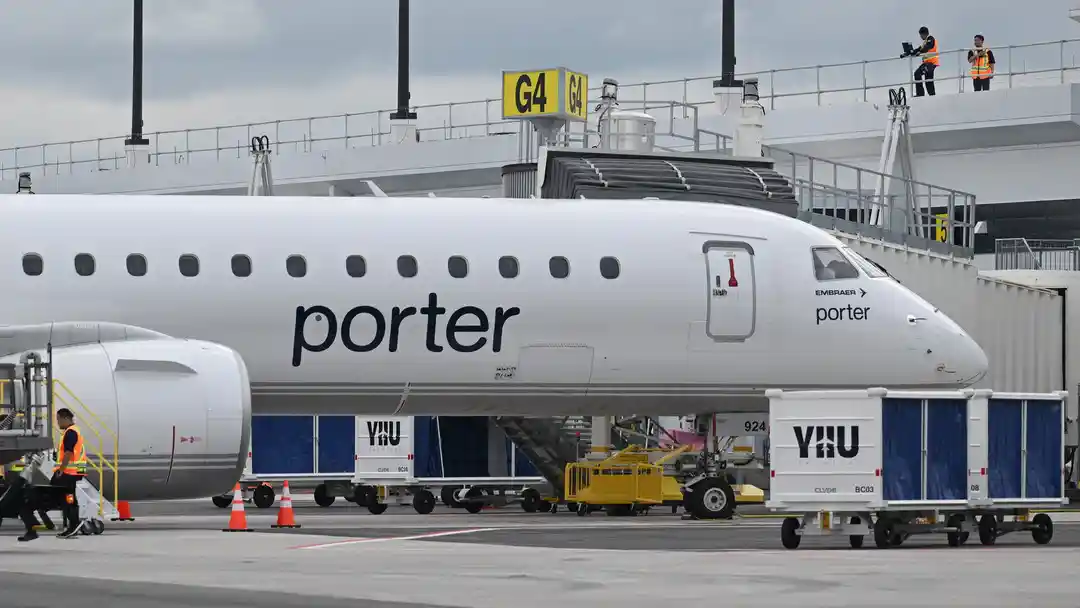
The expansion is part of a broader strategy by Porter Airlines to strengthen its presence in Quebec and increase service throughout Eastern Canada. By establishing a major operational base at Montreal Metropolitan Airport, the airline gains access to a growing passenger market while avoiding some of the operational constraints associated with larger hub airports.
Lower operating costs could become another major advantage. Secondary airports often charge lower fees than large international gateways, allowing airlines to manage expenses more effectively. These savings can potentially be passed on to travelers through more competitive ticket pricing.
At a time when fuel costs and operational expenses continue to place pressure on airfares worldwide, airports capable of supporting lower-cost operations are increasingly attractive to both airlines and passengers.
The long-term future of Montreal Metropolitan Airport remains closely tied to the ongoing debate surrounding international flight restrictions. If regulatory frameworks evolve and exclusivity provisions are eventually reconsidered, the airport could become a candidate for future cross-border and international services.
For now, however, its mission is clear. Rather than competing directly with Trudeau Airport’s international network, Montreal Metropolitan Airport is positioning itself as a convenient, efficient, and passenger-friendly domestic gateway.
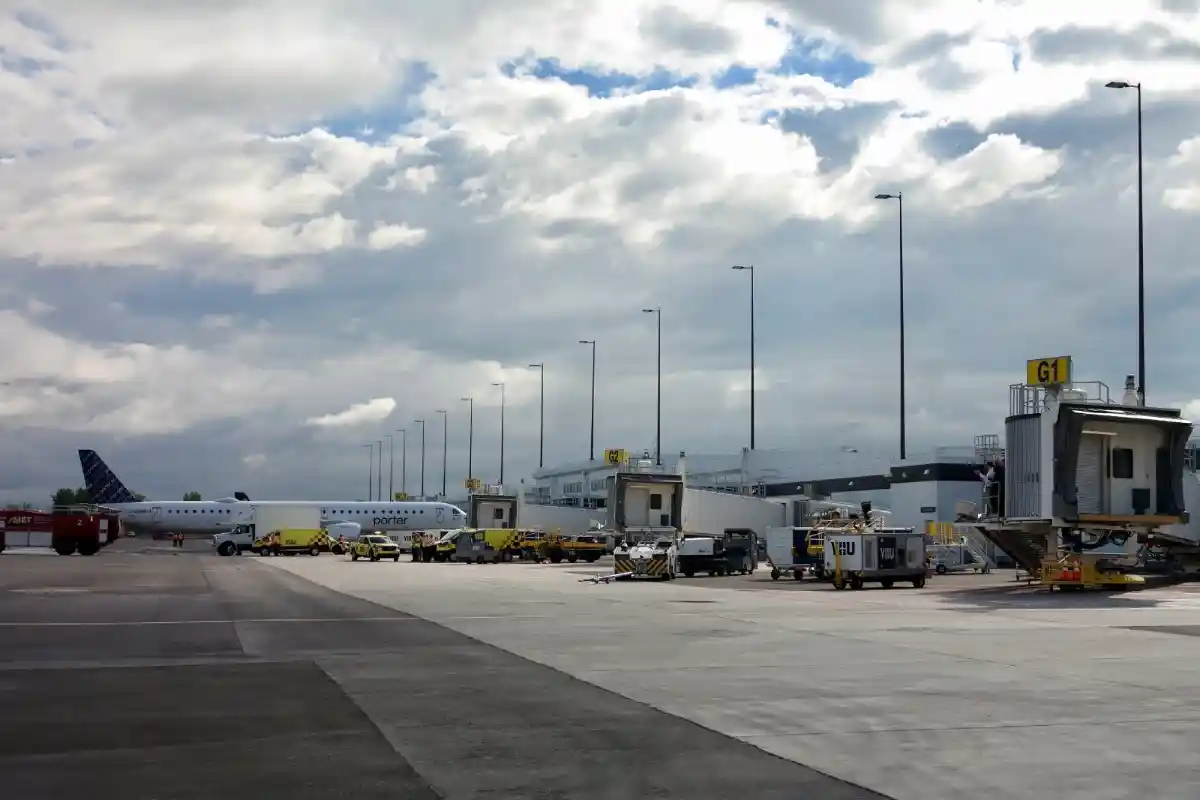
That approach may ultimately prove successful. By focusing on domestic connectivity, operational simplicity, and traveler convenience, the airport avoids many of the challenges that have historically affected ambitious aviation projects seeking rapid international expansion.
Montreal’s newest airport has officially opened its doors, bringing fresh competition and new travel choices to Canadian passengers. Yet its most intriguing characteristic is not what it offers, but what it cannot. Despite modern facilities, growing passenger numbers, and an expanding route network, every aircraft departing the airport must remain within Canadian borders—at least for the foreseeable future.