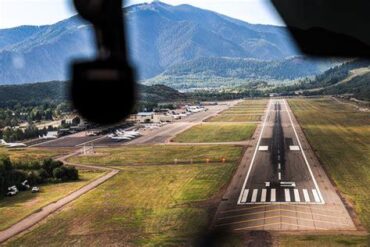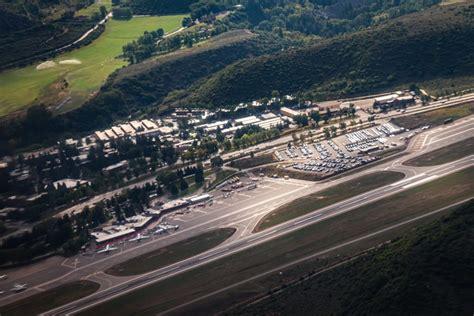
Aspen is about to undergo one of the most disruptive yet transformative infrastructure projects in modern American aviation. In 2027, Aspen/Pitkin County Airport (ASE) will close entirely for more than seven months, severing direct air access to one of the most exclusive mountain destinations in North America. While the shutdown may appear drastic, it is rooted in a strategic decision: rebuild now, or risk falling behind in safety, capacity, and sustainability for decades to come.
The closure, scheduled from April 4 to November 19, 2027, will last approximately 229 days, during which no commercial or private flights will operate. This is not a routine maintenance window—it is a full-scale reconstruction designed to modernize every critical aspect of the airport’s infrastructure.
A Shutdown Rarely Seen in U.S. Aviation
Complete airport closures of this magnitude are exceptionally rare in the United States. Aspen’s decision reflects both the complexity of its terrain and the urgency of its infrastructure needs. Nestled within Colorado’s rugged mountains, the airport operates under challenging conditions that demand precision engineering and strict compliance with evolving aviation standards.
Rather than extending construction over several years with partial closures, airport authorities opted for a single, continuous shutdown. This approach minimizes long-term disruption while enabling crews to execute the project safely and efficiently within one construction season. The strategy is bold, but calculated—especially given Aspen’s reliance on uninterrupted winter tourism.
Why the Runway Must Be Completely Rebuilt
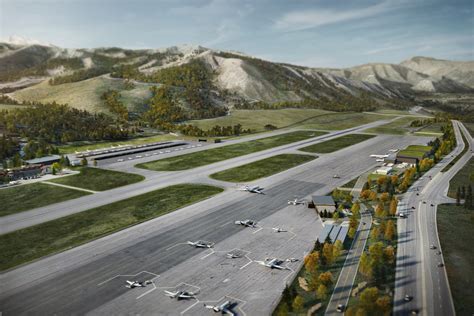
At the heart of the project lies a fundamental issue: the existing runway no longer meets modern FAA safety standards. Instead of resurfacing, the runway will undergo a full reconstruction, including a dramatic widening from 100 feet to 150 feet—a 50% increase that will significantly enhance operational safety.
This expansion is not merely cosmetic. A wider runway provides greater margin for error during landings and takeoffs, particularly critical in Aspen’s high-altitude environment where aircraft performance is inherently constrained. Pilots operating in mountainous terrain face unpredictable wind patterns and thinner air, making precision infrastructure essential.
The reconstruction will also incorporate updated materials and engineering techniques designed to improve durability and reduce maintenance demands. Once completed, the runway will support safer, more reliable operations for decades.
The $575 Million Vision Behind the Closure
The runway project is only one component of a sweeping redevelopment plan valued at approximately $575 million. This broader initiative extends far beyond the airfield, encompassing a complete modernization of passenger facilities, ground transportation systems, and private aviation infrastructure.
A significant portion of the funding will come from federal sources, with the Federal Aviation Administration expected to cover up to 90% of airside costs. Local financing will play a complementary role, supported by voter-approved bonds that ensure the project proceeds without increasing property taxes.
The investment signals a long-term commitment to Aspen’s position as a premier global destination. Airport leadership has framed the redevelopment as a “once-in-a-generation” opportunity to align infrastructure with future travel demands while addressing environmental and community concerns.
A Terminal Frozen in the 1970s
Perhaps the most visible symbol of Aspen Airport’s aging infrastructure is its passenger terminal. Built in the 1970s, the facility has seen minimal modernization over the past four decades. In an era defined by seamless travel experiences, digital integration, and accessibility, the current terminal falls short of expectations.
The new terminal, scheduled for completion by 2029, will redefine the passenger experience. Plans include modern amenities, improved accessibility, jet bridges, and expanded capacity to accommodate growing demand. The design will also reflect Aspen’s unique character, blending functionality with architectural elements that resonate with the surrounding landscape.
This transformation is not simply about aesthetics—it is about aligning infrastructure with the expectations of high-value travelers who define Aspen’s tourism economy.
Timing the Closure Around Aspen’s Economic Lifeline
The decision to close the airport from April through November was anything but arbitrary. Aspen’s economy is deeply tied to its winter ski season, which attracts visitors from across the globe. By completing construction before the 2027–28 winter season, officials aim to preserve the most critical revenue period.
This timing reflects a careful balancing act. While the closure will disrupt summer and fall travel, it avoids the far greater economic risk of impacting peak winter demand. The strategy underscores a broader principle: short-term inconvenience in exchange for long-term resilience.
How Travelers Will Reach Aspen During the Shutdown
Despite the closure, Aspen will not become inaccessible. Regional planners and tourism stakeholders are already coordinating alternative travel solutions to ensure continuity.
Visitors will be rerouted through nearby airports such as Eagle County Regional Airport and Denver International Airport, followed by ground transportation into the Roaring Fork Valley. While this adds complexity to travel itineraries, the region’s hospitality sector is preparing to adapt.
Hotels, resorts, and tour operators are expected to offer enhanced transportation packages, ensuring that the visitor experience remains as seamless as possible under the circumstances.

Environmental and Community Benefits at the Core
Beyond operational improvements, the redevelopment project aims to deliver measurable environmental and community benefits. Among the most significant targets is a 30% reduction in aircraft noise, a critical concern for local residents.
The project will also incorporate emissions-reducing technologies and more efficient ground operations, aligning with broader sustainability goals. These enhancements are particularly important in a region where environmental preservation is central to both community identity and tourism appeal.
By addressing these issues proactively, Aspen positions itself as a model for how small, high-impact airports can evolve responsibly.
A High-Stakes Bet on the Future of Mountain Aviation
The 2027 shutdown represents a calculated risk—one that hinges on flawless execution and precise timing. For more than seven months, Aspen will operate without its primary aviation gateway, testing the resilience of its tourism ecosystem.
Yet the long-term payoff could be transformative. A safer runway, a world-class terminal, and a more sustainable operational model will collectively reinforce Aspen’s status as a leading destination in North America.
In an industry where infrastructure often struggles to keep pace with demand, Aspen is choosing to leap forward decisively. The temporary silence of its runway in 2027 will mark not a retreat, but the foundation of a more advanced, resilient future.