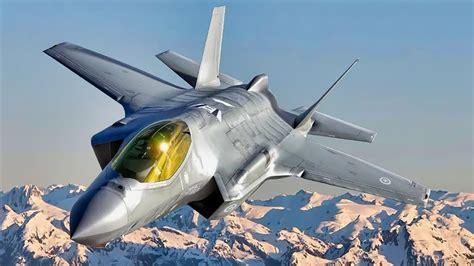
The cost of Canada’s ambitious F-35 fighter jet program has skyrocketed to an estimated $33.2 billion, combining a core acquisition cost of $27.7 billion with an additional $5.5 billion required to reach Full Operational Capability (FOC). This revelation, detailed in a newly released audit by Auditor General Karen Hogan, casts fresh scrutiny on a defense procurement plan that is not only beset by financial inflation but also plagued by infrastructure delays, logistical hurdles, and incomplete readiness strategies.
Exploding Costs and Flawed Forecasts
Initially projected in 2022 at $19 billion, the cost of the F-35 acquisition represents a near-50% increase, a financial jump largely attributable to the Department of National Defence’s (DND) reliance on outdated data. Hogan’s audit highlights that DND continued to use figures from 2019, disregarding updated estimates from the Joint Strike Fighter Program Office (JSFPO) available in 2022. These newer figures already showed the financial strain that would soon define the program.
According to the audit, DND had just 50 per cent confidence in the accuracy of its 2022 forecasts. This low confidence stems from the volatile nature of the defense market, compounded by global inflation, supply chain constraints, and shifting geopolitical dynamics—all of which affect component prices, maintenance frameworks, and long-term operational planning.
Missing Components and Infrastructure Gaps
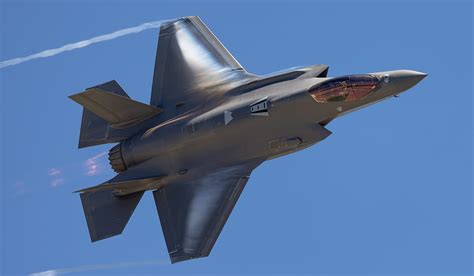
Hogan’s report emphasized that the $27.7 billion base cost doesn’t account for essential components such as weapons systems, advanced avionics, and ground infrastructure. Once these are added—including critical upgrades to airbase facilities and pilot training ecosystems—the budget balloons beyond the current top-line projection.
Notably, the construction of two primary fighter squadron bases in Cold Lake, Alberta, and Bagotville, Quebec, has fallen behind by more than three years. This setback could force DND to implement costly interim solutions—potentially renting space, deploying temporary hangars, or relying on foreign airbases.
The timeline misalignment becomes even more concerning when viewed against the delivery schedule: while the first eight F-35s are expected in Arizona by 2026–2027 for pilot training, Canada will not see deliveries on its soil until 2028, and operational facilities won’t be ready until at least 2031.
Operational Readiness Threatened by Pilot Shortage
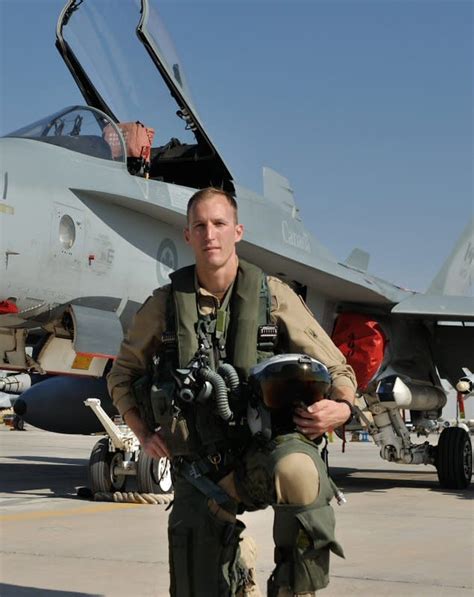
Beyond infrastructure, a glaring personnel gap threatens the program’s viability. Canada continues to experience a shortage of trained fighter pilots, a vulnerability first noted in the 2018 auditor general’s report. Despite years of warnings, recruiting and retaining qualified pilots remains a slow-moving target. This deficiency could undermine the seamless transition from aging CF-18s to the technologically sophisticated F-35 Lightning II.
Auditor General Hogan stressed that “the government needs to be ready to receive them,” underscoring the urgency of logistical synchronization between delivery, infrastructure, and human resources. Without a qualified pilot corps and functional support bases, the jets will remain expensive assets grounded in bureaucracy.
Systemic Oversight Failures and Planning Risks
Hogan’s audit paints a picture of bureaucratic inertia, highlighting how delays and poor internal coordination have inflated costs unnecessarily. While some inflationary factors lie outside the government’s control, the audit makes clear that DND’s slowness in acting—from procurement reviews to infrastructure readiness—has contributed to the financial bloat.
She recommended that DND update cost projections annually, using real-time data and including comprehensive calculations covering infrastructure, personnel, and logistics. The department reportedly accepted these recommendations, though whether future updates will be transparent or publicly disclosed remains to be seen.
Strategic Implications and NATO Pressure
This cost overrun arrives amid heightened pressure on Canada to meet NATO’s defense spending target of 2% of GDP, a target recently reaffirmed by Prime Minister Mark Carney. Committing to a $33.2 billion project aligns with these ambitions, but it also poses a double-edged sword: as defense costs soar, public scrutiny over federal spending priorities increases.
In a context of escalating global threats and growing emphasis on domestic defense manufacturing, the F-35 acquisition is increasingly viewed not only as a security imperative but also a litmus test of Canada’s defense procurement credibility.

Political Ambiguity and Contingency Scenarios
Despite having already acquired 16 F-35s, the Canadian government has not fully committed to the full complement of 88 jets initially planned. Defence Minister David McGuinty has remained ambiguous, stating, “We’re going to begin with 16, and then we’ll see where we are.” This wait-and-see approach, while potentially prudent, introduces uncertainty that could further disrupt planning.
Complicating matters further is a government-initiated review of alternatives to the F-35, potentially in response to ongoing trade tensions with the United States. Should the procurement path pivot mid-stream, Canada could find itself mired in contractual penalties, technical incompatibilities, or worse—capability gaps in its air defense.
What the F-35 Means for Canada’s Defense Posture
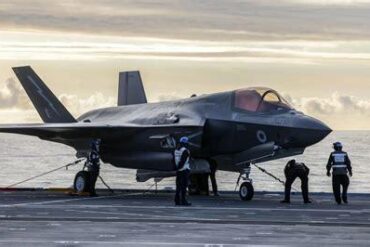
The F-35 Lightning II represents a generational leap in combat aviation, offering stealth technology, sensor fusion, and interoperability with allied forces. For Canada, participation in the Joint Strike Fighter Program offers not just hardware but also strategic integration with U.S. and NATO defense systems.
However, without synchronized infrastructure, pilot readiness, and financial clarity, these advanced jets risk becoming symbols of overreach rather than readiness. The long lead times—2026 for initial deliveries, 2028 for Canadian arrival, and 2031 for full infrastructure—create a chasm that opponents may exploit, both politically and geopolitically.
Conclusion: An Unsteady Flight Path Ahead
Canada’s F-35 fighter jet acquisition is a tale of aspirational strategy colliding with operational delays. What began as a $19 billion vision has inflated into a $33.2 billion balancing act fraught with risks—budgetary, logistical, and strategic. While the aircraft’s advanced capabilities are not in question, the execution of the program casts doubt on the country’s ability to efficiently manage large-scale defense procurement.
With mounting pressures from NATO, allies, and domestic stakeholders, Canada must now decide whether it will double down on the F-35 path or explore alternatives. Either way, the coming years will define whether this investment becomes a cornerstone of national defense—or a cautionary tale of missed opportunity.