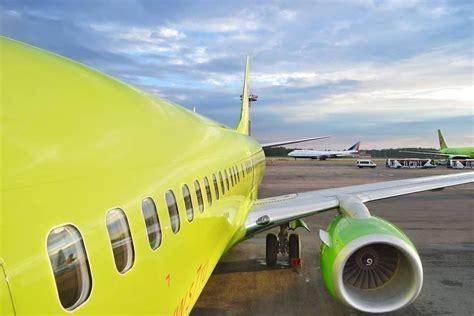
The official investigation into an S7 Airlines Boeing 737-800 runway overrun at Mirny Airport has attracted significant attention across the aviation industry, not only because the aircraft left the runway after landing, but also because the incident occurred only days after reports emerged that the Russian carrier had temporarily prohibited most first officers from performing landings. While investigators have emphasized that there is no evidence connecting the two events, their close timing has intensified scrutiny of operational practices, aircraft reliability, and pilot procedures within Russia’s commercial aviation sector.
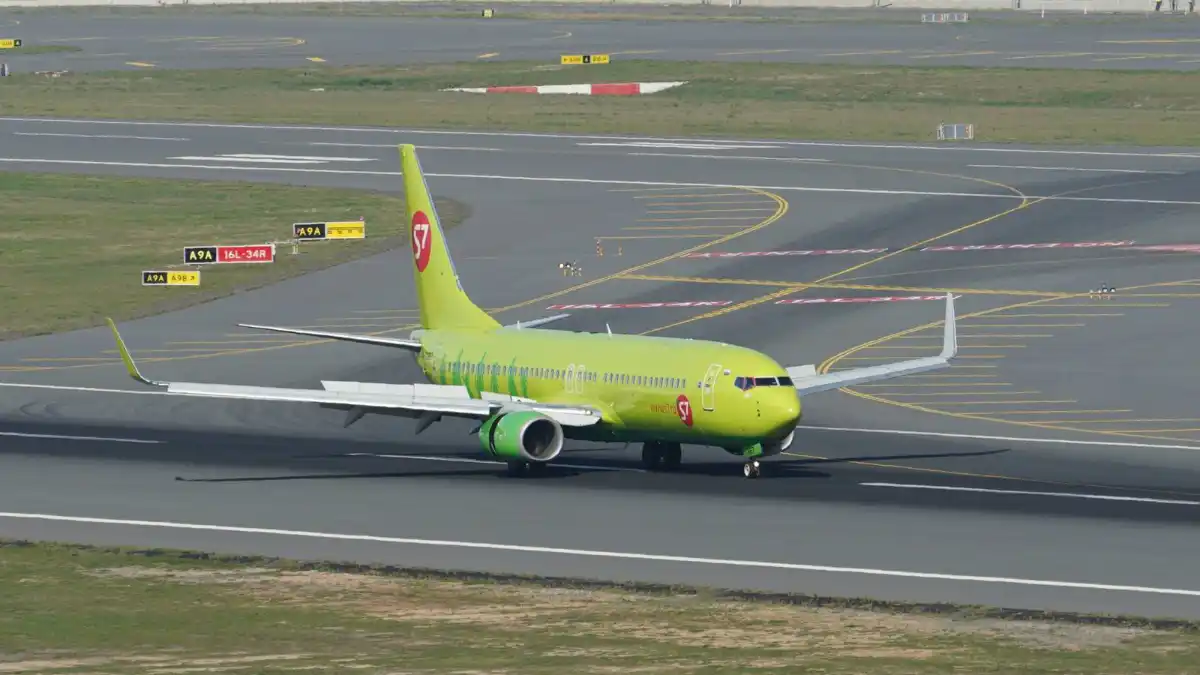
Operating scheduled domestic flight S7-5241 from Novosibirsk Tolmachevo Airport to Mirny Airport on June 30, the Boeing 737-800 completed its approach before continuing beyond the end of the runway after touchdown. The aircraft was carrying 173 passengers and six crew members, all of whom safely evacuated after the jet came to a stop beyond the paved surface. No injuries were reported, but Russian aviation authorities immediately classified the occurrence as a serious aviation incident requiring a comprehensive technical and operational investigation.
Authorities Examine Technical and Operational Factors Behind the Runway Excursion
Russia’s transport prosecutor confirmed that emergency responders arrived quickly after the aircraft overran the runway. Investigators from both the transport prosecutor’s office and the country’s transport investigation authorities began collecting evidence immediately while airport personnel secured the aircraft and surrounding area.
According to preliminary information released during the early stages of the investigation, officials believe the runway excursion may have involved a technical malfunction. However, investigators stressed that this assessment remains preliminary and that no definitive cause has yet been identified. As is standard practice following serious aviation occurrences, investigators will examine cockpit recordings, flight data recorder information, aircraft maintenance history, weather conditions, runway characteristics, and crew actions before issuing any conclusions.
S7 Airlines stated that after the aircraft stopped beyond the runway, the captain followed all established emergency procedures. Passengers exited safely using mobile stairs positioned beside the aircraft, allowing the evacuation to proceed in an orderly manner without injuries or panic.
S7 Airlines Opens Internal Investigation Alongside Government Inquiry
In addition to the official investigation, S7 Airlines confirmed it has launched its own internal review of the incident. The carrier temporarily removed the operating flight crew from active flying duties, describing the measure as part of its standard post-incident safety procedures rather than a disciplinary action.
The runway remained closed while airport authorities assessed possible damage to both the pavement and the aircraft. During this period, Mirny Airport temporarily suspended arrivals and departures, disrupting air services to one of Russia’s most isolated regions.
Mirny serves the heart of Yakutia’s diamond mining industry, making reliable air transportation particularly important. The region’s vast distances, severe climate, and limited road infrastructure mean commercial aviation provides an essential transportation link for residents, workers, and businesses throughout northeastern Siberia.
Landing Restrictions on First Officers Draw Renewed Attention
Although the runway overrun itself remains under investigation, attention has inevitably shifted toward a separate operational policy introduced by S7 Airlines earlier this month.
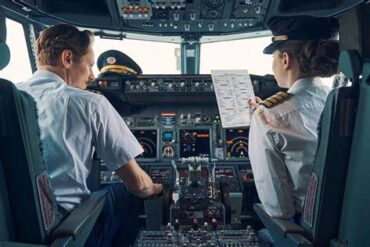
Industry reports indicated that between June 1 and October 1, the airline temporarily restricted most first officers from conducting landings across much of its network. The reported decision followed an increase in hard landings that exceeded structural inspection thresholds, forcing additional aircraft inspections and reducing fleet availability.
The reported restrictions still allow first officers to perform landings at several major operational bases, including Moscow Domodedovo, Novosibirsk, Irkutsk, and Vladivostok. Training flights, proficiency checks, and specific operational circumstances are also believed to be exempt from the policy.
Although S7 has not publicly released a detailed explanation for the temporary measure, aviation observers believe the restrictions were intended to minimize unnecessary structural stress on aircraft at a time when maintenance has become increasingly challenging.
Sanctions Continue to Shape Russian Airline Operations
The broader context surrounding the incident cannot be ignored. Since international sanctions limited access to aircraft components and maintenance support, Russian airlines have faced increasing pressure to maximize aircraft availability while maintaining rigorous safety standards.
Every unscheduled inspection, structural repair, or maintenance delay can remove an aircraft from service for an extended period. As a result, carriers have adopted a variety of operational measures designed to reduce wear on their fleets while preserving normal flight schedules.
Some aviation analysts have suggested that limiting landings by less experienced pilots may reduce the likelihood of hard touchdowns requiring expensive inspections. However, such operational decisions must always balance aircraft preservation with pilot proficiency and ongoing training requirements.
Importantly, there is currently no evidence whatsoever that the Mirny runway excursion was connected to these landing restrictions, and investigators have not indicated that pilot qualification policies played any role in the incident.
Final Investigation Will Determine the Cause
Runway overruns remain relatively rare in modern commercial aviation, but they receive extensive attention because they often involve multiple interacting factors rather than a single failure. Aircraft performance, braking effectiveness, runway surface conditions, weather, pilot decision-making, and mechanical reliability may all contribute to an event.
For the Mirny occurrence, investigators will analyze every phase of the landing sequence before determining exactly why the Boeing 737-800 failed to stop within the available runway length. Until those findings are published, any attempt to associate the overrun with S7 Airlines’ temporary first officer landing policy remains speculative.
For now, the successful evacuation of all 179 occupants stands as the most important outcome. While the aircraft sustained an operationally significant incident, the absence of injuries demonstrates the effectiveness of modern emergency procedures and reinforces the aviation industry’s commitment to ensuring passenger safety even when unexpected events occur during the most critical phases of flight.