What Is Ancillary Revenue?
Ancillary revenue refers to the income that a company generates from products or services that are not part of its core business operations. This stream of revenue is strategically designed to enhance or complement the company’s primary offerings, adding depth to its commercial footprint while reducing reliance on one singular source of income. In today’s multifaceted economy, this model is essential for financial resilience and strategic growth.
Unlike primary revenue, which is typically tied to a company’s main products or services, ancillary income opens alternative avenues of cash flow. Whether it’s a bank earning fees from wire transfers, or a tech company expanding into accessories and services, this additional revenue plays a critical role in sustaining profitability.
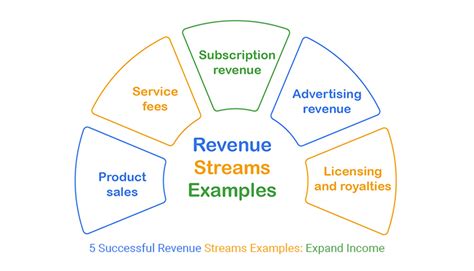
Why Ancillary Revenue Matters in Strategic Finance
The importance of ancillary revenue cannot be overstated in corporate finance. It provides three core advantages:
-
Revenue diversification: Less dependence on primary products mitigates risk.
-
Business adaptability: Enables firms to pivot and explore evolving markets.
-
Margin enhancement: Ancillary offerings often carry higher profit margins.
For instance, gas stations once thrived solely on fuel sales. However, the sale of snacks and beverages, once deemed supplementary, now constitutes a significant portion of their earnings. In some regions, non-fuel revenue has surpassed fuel sales, transforming the business model entirely.
Mechanisms of Generating Ancillary Revenue
Companies engage in a variety of strategies to generate ancillary revenue, such as:
-
Product extensions: A printer company selling ink cartridges and paper.
-
Service add-ons: Airlines charging for baggage, priority boarding, and seat selection.
-
Technology ecosystems: Smartphone manufacturers offering cloud storage, music services, and apps.
-
Retail partnerships: Financial institutions earning commissions via retail collaborations.
Each of these pathways reflects a deep understanding of customer behavior, and more importantly, how to monetize the ecosystem surrounding the core product.
Case Study: Apple Inc.’s Ancillary Revenue Engine
Apple Inc. stands as a definitive case study in the deliberate construction of ancillary income streams. While its flagship products like the iPhone, Mac, and iPad continue to drive core revenue, Apple has methodically expanded its service and accessories division.
In its 2019 Q4 report, Apple reported over $10 billion in revenue from wearables like AirPods and Apple Watch, up from $7.3 billion in 2018. The services segment, including iTunes, iCloud, and the App Store, surged to $12.715 billion, reflecting consistent year-over-year growth.
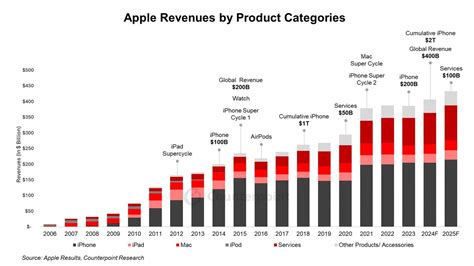
This diversification has made Apple more resilient to fluctuations in hardware sales. For instance, Mac and iPad sales declined during the same period, but the ancillary segments not only compensated for the drop but drove overall growth.
Industry Examples Across Sectors
1. Aviation:
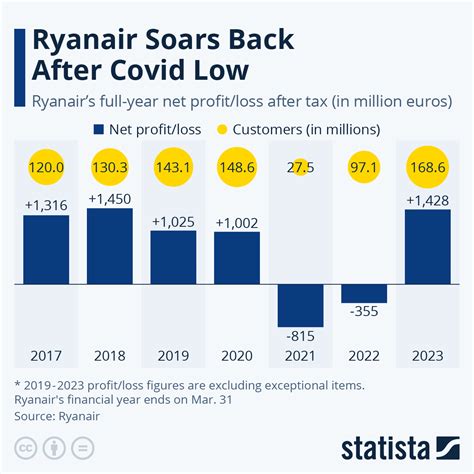
Low-cost carriers such as Ryanair and Spirit Airlines generate significant portions of their profit from ancillary services—checked baggage, seat reservations, and in-flight purchases. In some cases, ancillary services represent over 40% of their total income.
2. Financial Services:
Banks traditionally relied on interest from loans. However, today’s institutions leverage wire transfer fees, ATM charges, insurance partnerships, and wealth management to bolster profitability. These revenue sources are not only high-margin but also scalable across customer segments.
3. Retail:
Supermarkets and big-box retailers often include loyalty programs, financial services, warranties, and branded credit cards. These are not just conveniences for customers—they are data-rich, revenue-yielding extensions of the core business.
4. Media & Entertainment:
Streaming platforms like Netflix and Disney+ have begun integrating merchandise sales, gaming, and live event partnerships into their revenue architecture. These segments are designed to deepen user engagement and open new commercial verticals.
When Ancillary Becomes Core
The fluidity between ancillary and core revenue can redefine an entire business model. Consider the evolution of Amazon. Originally a bookstore, Amazon now earns a substantial portion of its revenue from Amazon Web Services (AWS)—a division that began as a support tool but evolved into a dominant global cloud infrastructure provider.
Similarly, Google’s advertising business originated from its core search function but now dwarfs all other product lines in revenue contribution. These examples underscore a vital point: ancillary revenues can outgrow the original business.
Risks and Challenges of Ancillary Revenue Models
Despite their advantages, ancillary revenue streams carry risks:
-
Brand dilution: Venturing too far from core competencies can confuse the market.
-
Operational complexity: Managing multiple revenue types requires sophisticated systems.
-
Regulatory scrutiny: Certain industries (e.g., banking, aviation) face increased compliance for non-core income.
Companies must balance innovation with alignment, ensuring that new ventures complement rather than cannibalize the primary business.
Future Outlook for Ancillary Revenue
The next decade will likely see accelerated growth in ancillary revenue models, driven by:
-
AI and personalization technologies enabling hyper-targeted service offerings.
-
Subscription economy models expanding across industries.
-
Data monetization through smart devices and IoT ecosystems.
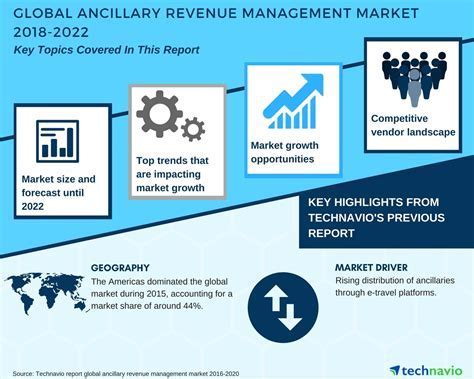
Enterprises that can intelligently integrate adjacent services, while maintaining core value propositions, will outperform less adaptable competitors. Ancillary revenue is no longer just an option—it is a strategic imperative.
Conclusion
In a world defined by economic volatility, evolving consumer expectations, and technology disruption, ancillary revenue stands as a pillar of business resilience. From Apple’s wearables to Ryanair’s service fees, companies that harness these auxiliary channels enjoy greater financial stability, competitive advantage, and sustainable growth.
To succeed in today’s landscape, organizations must rethink the boundaries of their business model. Ancillary revenue isn’t secondary—it’s central to long-term viability.
FAQ
What is the difference between ancillary and core revenue?
Core revenue is derived from a company’s main business activities—its primary goods or services. Ancillary revenue, in contrast, comes from secondary products or services that supplement or enhance the core offering, such as accessories, add-ons, or related services.
Why is ancillary revenue important for companies?
Ancillary revenue provides financial diversification, reduces dependence on a single revenue stream, and allows businesses to scale into new markets or customer segments. It often features higher profit margins and increases resilience during downturns in core product sales.
Can ancillary revenue become a company’s main revenue source?
Yes. In many cases, ancillary revenue streams have evolved to surpass core revenue. Examples include Amazon’s AWS and Google’s ad business. Such transitions are common when secondary offerings align well with consumer demand and business scalability.