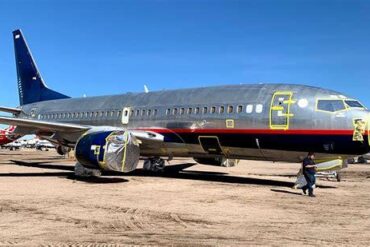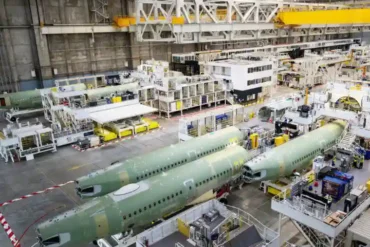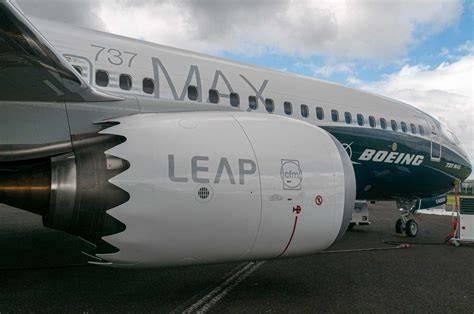
The aviation aftermarket is entering another important phase as more than 10 Boeing 737 MAX and Airbus A320neo aircraft are scheduled for dismantling before the end of the year. The program, led by Tarmac Aerosave for long-term customer AerFin, highlights a striking development in commercial aviation: even relatively young narrowbody aircraft are increasingly becoming valuable sources of spare parts.
The aircraft will be processed as part of an expanded dismantling and recycling program designed to support the global supply chain. Rather than remaining idle or returning to airline service, these jets will be stripped of usable components, with engines, landing gear, avionics, cabin equipment and other valuable material entering the aftermarket.
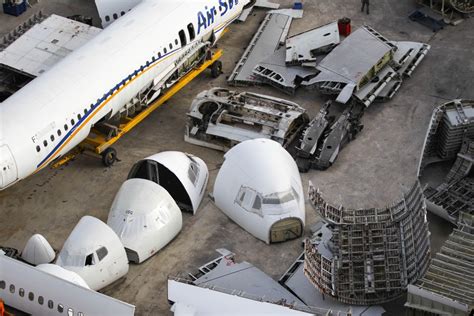
The decision to dismantle next-generation narrowbody jets reflects the unusual pressure facing aircraft operators and maintenance providers. The Airbus A320neo and Boeing 737 MAX families were designed to remain in service for decades, yet market conditions can make individual aircraft economically more valuable as sources of components than as complete airplanes. Strong demand for serviceable material is therefore creating opportunities to recover parts from aircraft that would normally be considered comparatively young.
Tarmac Aerosave and AerFin Expand Narrowbody Teardown Program
Tarmac Aerosave will process the aircraft for AerFin, with the two companies expanding their established relationship to create a dedicated dismantling line. The program will cover specialist activities including cabin removal, landing gear dismantling and priority component recovery, allowing valuable material to move more efficiently into the global aftermarket.
The arrangement is significant because the aircraft involved are not primarily decades-old airframes reaching the natural end of their operating lives. Instead, the program demonstrates how changing fleet economics, maintenance requirements and parts availability can influence the fate of modern aircraft.
Tarmac Aerosave, headquartered in Tarbes, France, specializes in aircraft storage, dismantling and recycling. Its ownership structure includes Airbus, Safran and Suez, linking the recycling business directly with major players in aerospace manufacturing and industrial materials.
The company says additional dismantling projects are already being prepared for 2027, suggesting that the current wave of narrowbody recycling is not expected to be a one-off event. If parts demand remains elevated, more young aircraft could follow the same path.
Why Young A320neo and 737 MAX Aircraft Are Being Dismantled
The strongest explanation is the growing requirement for replacement components across rapidly expanding narrowbody fleets. Thousands of A320neo-family aircraft are already operating worldwide, while thousands more remain on order. Every additional aircraft increases the future requirement for engines, landing gear, avionics, cabin equipment and structural components.
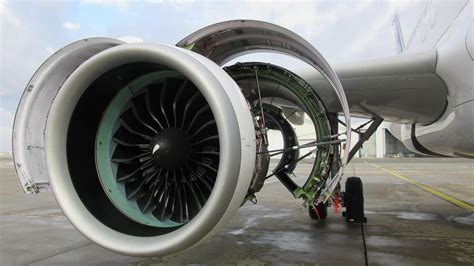
The reference market data indicates more than 4,400 A320neos and 6,500 A320ceos in service, alongside more than 7,000 A320neos on order. That enormous installed base creates sustained demand for serviceable parts, particularly when maintenance providers face delays or limited availability of new components.
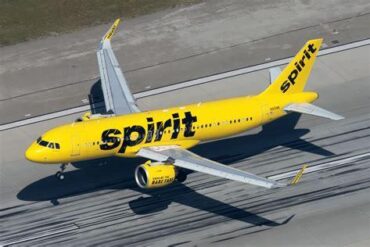
Earlier recycling of relatively young Spirit Airlines A320neos illustrates the same trend. Aircraft only a few years removed from delivery have already entered dismantling programs, demonstrating that chronological age is not always the decisive factor in determining an aircraft’s economic future.
For operators and parts specialists, a young aircraft can therefore become a valuable inventory source. Engines and high-value components can potentially generate more economic value than keeping an aircraft in storage, particularly when the aftermarket is experiencing shortages.
Aircraft Recycling Recovers More Than Spare Parts
Aircraft teardown is also far more comprehensive than simply removing engines and avionics. The process normally begins with decontamination, during which fuel, oils, hydraulic fluids and other potentially hazardous substances are removed. Workers then recover high-value components before the aircraft is progressively stripped.
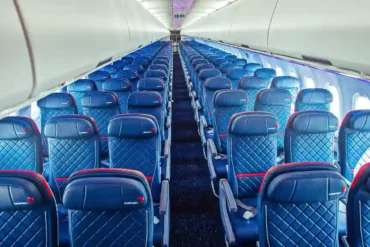
Inside the cabin, seats, insulation, wiring, fabrics, plastics and other materials can be separated for reuse or recycling. Landing gear and flight-control components can be processed individually, while engines and other expensive systems may undergo inspection and testing before being returned to service.
Eventually, the remaining airframe can be dismantled using heavy machinery. Aluminum, titanium and other metals are separated, processed and melted down for reuse. Up to 90% of an aircraft’s weight can potentially be recovered, reducing the quantity of material sent to waste while creating another source of industrial raw materials.
The 737 MAX and A320neo Aftermarket Is Getting Bigger
The arrival of more 737 MAX and A320neo aircraft into teardown facilities says as much about the scale of today’s fleets as it does about individual aircraft. These families represent the backbone of modern short- and medium-haul aviation, and their expanding populations will inevitably generate a growing aftermarket.
For AerFin and Tarmac Aerosave, dismantling more than ten aircraft this year provides additional access to components that airlines and maintenance organizations need. For the wider industry, it shows that aircraft recycling is becoming an increasingly important part of the modern aviation supply chain.
The most revealing aspect may be the age of the aircraft. Modern jets are not necessarily immune from early retirement when parts demand, maintenance economics and fleet strategies make dismantling commercially attractive. With further projects already being prepared for 2027, the teardown market could remain an increasingly important source of components for the world’s rapidly expanding narrowbody fleet.