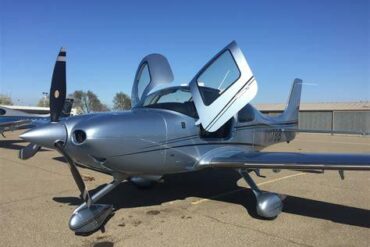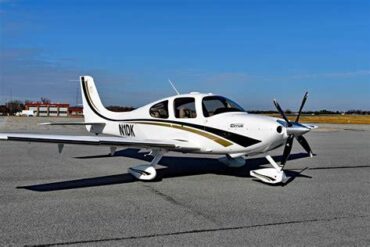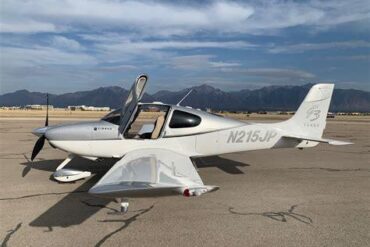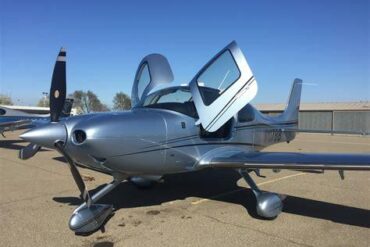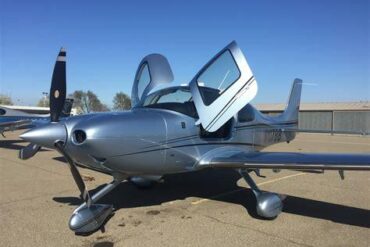
The Cessna 182 Skylane and the Cirrus SR22 represent two of the most popular and frequently compared single-engine piston aircraft in general aviation. Each has carved out a loyal following among pilots due to its unique combination of performance, design philosophy, and operating economics. Yet, despite the SR22’s sleek, modern appeal and advanced avionics, the Cessna 182 continues to hold higher resale values and arguably broader mission flexibility. In this analysis, we unpack the real-world differences between these two aircraft and explore what makes each one a compelling choice—or not—for today’s discerning aviator.
Price and Market Dynamics: Numbers That Tell a Story
A striking observation that immediately captures attention is the pricing disparity on the used market. Early 2000s Cirrus SR22 models, especially those from 2001 and 2002, can typically be acquired for around $180,000. In contrast, similarly aged Cessna 182 aircraft often command upwards of $250,000. On paper, the Cirrus appears to offer more for less—greater speed, more advanced avionics, and modern materials. So why does the Skylane maintain such a high price?
The answer lies in the enduring demand, trust, and mission versatility of the 182. Many private pilots start their journey in a Cessna 172, creating a seamless transition to the more powerful but similarly handling 182. This brand continuity fosters a level of familiarity and confidence that enhances resale value. Furthermore, the 182’s ability to operate safely and efficiently in diverse conditions—from high-altitude strips to grass runways—makes it highly sought after in backcountry and utility flying segments.
Performance Showdown: Speed, Load, and Short Field Capabilities
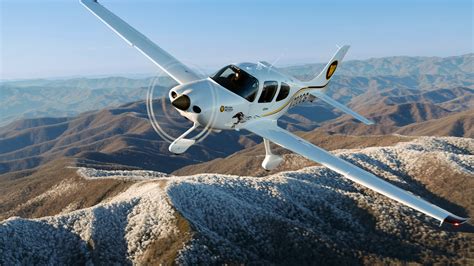
From a performance standpoint, the Cirrus SR22 typically outruns the Cessna 182 by a significant margin. The SR22 cruises at approximately 180 KTAS, while the 182 tops out around 145–149 KTAS, depending on the model and conditions. Yet, speed isn’t everything.
The Cessna 182T, particularly when tuned or upgraded with STCs such as the IO-540 conversion, can provide very respectable cruise performance. Even more impressively, the Skylane offers superior short-field performance, aided by 40° flaps in pre-1997 models. This makes it more suitable for operations in constrained or unimproved airstrips. In contrast, the Cirrus, while speedy and stylish, is less forgiving when it comes to runway length or terrain variability.
When it comes to useful load, both aircraft deliver solid numbers, but the 182 often edges out in flexibility. The high-wing configuration also makes loading passengers and cargo simpler, especially in rough-field environments. In the utility aviation domain, this translates directly into operational advantage.
Avionics and Comfort: Traditional vs. Tech-Centric Cockpits
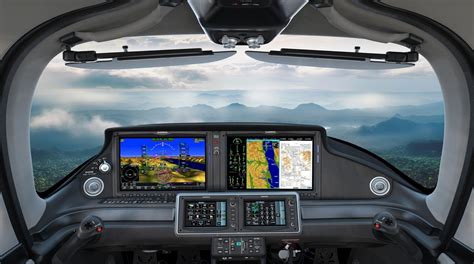
One of the most compelling aspects of the Cirrus SR22 is its modern cockpit. Many units come equipped with Garmin Perspective or Avidyne Entegra glass panels, offering integrated flight management, synthetic vision, and advanced situational awareness. The design of the SR22 cockpit emphasizes automobile-style ergonomics, plush side-yoke controls, and wide, comfortable seats.
The Cessna 182, while more conventional in its panel layout, benefits from modern avionics retrofits in many used models. The Garmin G1000 suite is now common in post-2004 aircraft, offering a competitive glass cockpit experience—albeit with a more traditional ambiance. Pilots favoring tactile switches and classic gauges may prefer the 182’s interface. Ultimately, the SR22 wins in terms of integrated sophistication, but the 182 retains appeal through simplicity and ease of transition.
Maintenance Realities: Composite vs. Aluminum in the Real World
Maintenance considerations form a critical aspect of ownership. Here, the Cessna 182 shines for its conventional aluminum construction, widespread parts availability, and ease of service at virtually any general aviation maintenance facility. The aircraft’s straightforward airframe and systems mean fewer specialized tools or skillsets are required to perform inspections and repairs.
In contrast, the Cirrus SR22, with its composite fuselage and whole-airframe parachute system (CAPS), demands a different kind of care. The CAPS system requires a mandatory repack every 10 years, costing around $15,000, not including labor or downtime. Moreover, Cirrus avionics, particularly those with integrated glass panels, may require brand-specific expertise that isn’t available at every FBO. Even routine composite repairs necessitate trained technicians, often at higher hourly labor rates.
Although the SR22’s cutting-edge design delivers clear safety and technological advantages, these features translate into higher long-term maintenance and operational costs. For owners who prioritize predictability and cost efficiency, the 182 remains a safer financial bet.
Mission Profiles: Matching Aircraft to Purpose
Choosing between these two aircraft often comes down to intended mission. The Cirrus SR22 is a cross-country cruiser, perfect for those who want to cover long distances quickly and in style. Its aerodynamic design and performance figures make it ideal for business travelers or private owners who fly point-to-point between paved airports.
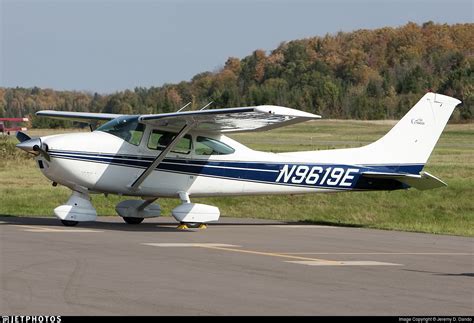
The Cessna 182, by contrast, is a true utility aircraft. Its short takeoff and landing performance, robust fixed-gear design, and center of gravity tolerance make it ideal for rural strips, high-altitude operations, and even modest off-field activities. It can comfortably transport four adults and baggage, with a forgiving flight envelope that appeals to pilots flying in diverse weather and terrain conditions.
Resale and Long-Term Ownership Considerations
Aircraft ownership is never just about acquisition cost—it’s about the entire lifecycle, from purchase to resale. While the Cirrus SR22 may come at a lower upfront price for early models, the Cessna 182 typically holds its value better, especially in the utility, training, and backcountry markets. This trend reflects the strong institutional trust in Cessna’s design ethos and the economic stability provided by non-specialized maintenance paths.
Furthermore, potential buyers often find that the 182’s simplicity translates into lower annual inspection costs, fewer unexpected repairs, and easier insurance underwriting. The SR22, while modern and desirable, involves high-ticket maintenance events, particularly related to avionics upgrades and CAPS system requirements, which may deter budget-conscious owners.
The Human Factor: Pilots’ Experiences and Preferences
Among pilots, opinions are understandably divided. Those drawn to tech-forward cockpits and luxury interiors often favor the Cirrus SR22. Its joystick-style controls and sporty handling characteristics resonate with a younger generation of pilots or those transitioning from luxury vehicles.
Meanwhile, aviators with decades of experience often lean toward the Cessna 182. Its honest flying traits, excellent control feedback, and unflappable stability in turbulence earn it praise from instructors, bush pilots, and weekend flyers alike. More importantly, the community and support network for Cessna owners is vast, bolstered by decades of consistent production and global adoption.

Conclusion: Mission, Money, and Maintenance Drive the Decision
The decision between the Cessna 182 and Cirrus SR22 is ultimately a reflection of individual priorities. If speed, advanced avionics, and modern materials are paramount—and budget allows for specialized upkeep—the Cirrus is an impressive machine with no shortage of fans. But for those prioritizing dependability, versatility, ease of ownership, and broader mission compatibility, the Skylane remains an enduring classic.
Both aircraft deliver tremendous value within their domains. Understanding the nuanced strengths of each allows pilots to choose not only the right airplane but also the right long-term partner for their aviation journey.
FAQs
Which aircraft is cheaper to maintain long-term, the Cessna 182 or the Cirrus SR22?
The Cessna 182 is generally cheaper to maintain over time due to its aluminum airframe, wider availability of parts, and simpler mechanical systems. The Cirrus SR22 incurs higher costs, particularly due to its composite body, avionics, and mandatory CAPS parachute system maintenance.
Why do older Cessna 182s often cost more than early Cirrus SR22s?
Despite being older and slower, the Cessna 182 often retains higher resale value due to its mission versatility, rugged design, and broad market demand. It appeals to a wider range of missions, including backcountry flying, training, and utility work.
Is the Cirrus SR22 a good choice for new pilots?
While technically advanced and loaded with safety features, the Cirrus SR22 may not be the best choice for brand-new pilots due to its higher speeds and less forgiving handling in adverse conditions. Many instructors recommend gaining experience in more traditional platforms like the Cessna 172 or 182 before transitioning to the SR22.