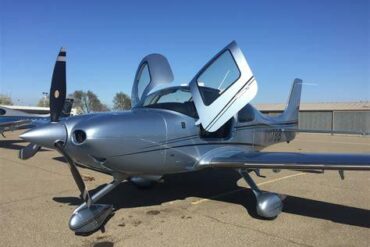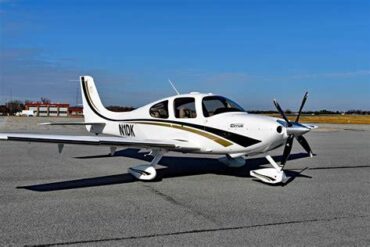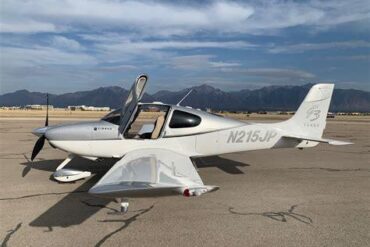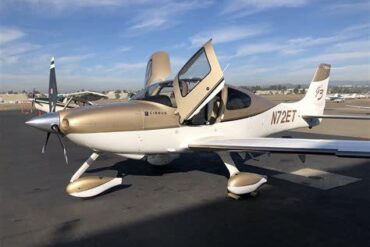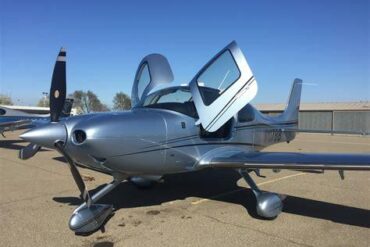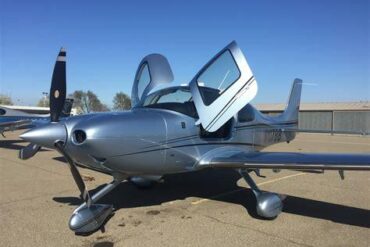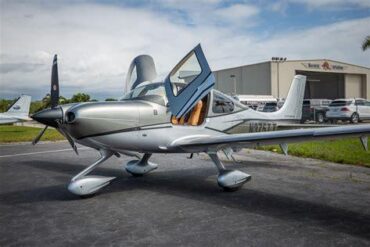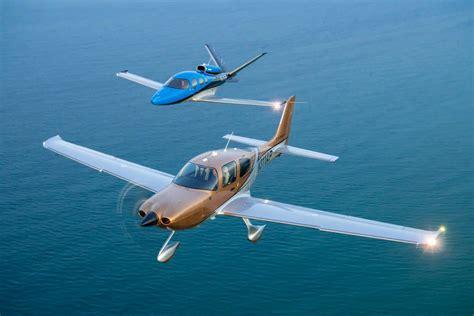
The Cirrus SR22 stands as the embodiment of modern general aviation excellence. Developed and manufactured by Cirrus Aircraft in the United States, the SR22 has redefined single-engine piston aviation since its introduction in 2001. As a direct evolution of the earlier SR20, this aircraft brought with it significant advancements in power, avionics, and most notably, safety. With its full glass cockpit, composite frame, and pioneering Cirrus Airframe Parachute System (CAPS), the SR22 quickly emerged as the industry benchmark.
Over two decades later, it remains the world’s best-selling general aviation airplane, not just due to superior engineering but because of the innovation baked into every generation. From private pilots and training academies to commercial and governmental fleets, the SR22 continues to serve a broad audience, offering unmatched performance, technology, and peace of mind.
Evolution Through Generations
From the very beginning, the SR22’s development trajectory has focused on iterative improvement. Each generation brought tangible enhancements that set new standards across its class.
SR22 (2001 Launch)
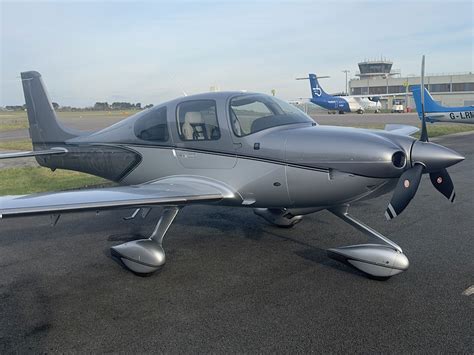
The inaugural SR22 offered 310 horsepower and a significantly larger wing compared to the SR20. Early adoption of glass cockpit avionics was a game-changer, placing the aircraft ahead of its time. With a fixed tricycle landing gear, side stick flight controls, and a low-wing configuration, the aircraft provided an intuitive yet high-performance flying experience.
SR22 G2 (2004)
In 2004, Cirrus released the Generation 2 (G2) model with refined fuselage elements and ergonomic upgrades. Internal changes focused on structural adjustments and improved accessibility for maintenance, setting a precedent for user-friendly design.
SR22 G3 (2007)
The Generation 3 (G3) brought substantial aerodynamic changes. Engineers raised the wing by 3 inches and upgraded the landing gear design, resulting in a more stable and efficient aircraft. The G3 also allowed for longer range, courtesy of expanded fuel capacity.
SR22 Turbo / SR22T (2006–2010)
Cirrus addressed high-performance demands with turbocharged variants, starting with the SR22 Turbo in 2006 and later, the factory-certified SR22T in 2010. These models elevated cruise speeds and provided a service ceiling of up to 25,000 feet, far exceeding expectations in the piston single-engine market.
SR22 G5 (2013)
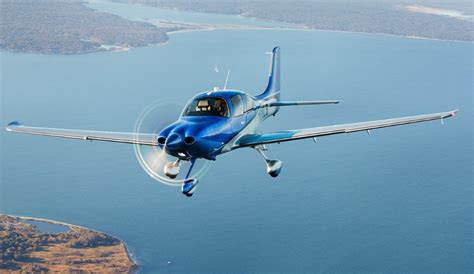
Perhaps the most impactful leap occurred with the SR22 G5. This model increased maximum gross weight, allowing for an extra passenger or more fuel, depending on mission requirements. Standardized features such as built-in oxygen systems, airbags, and improved electrical architecture elevated comfort and safety.
SR22 G6 (2017)
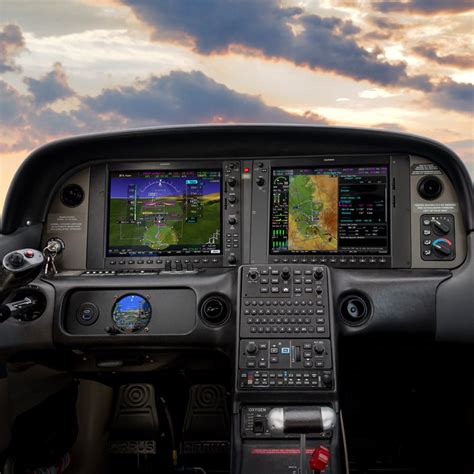
The SR22 G6 advanced Cirrus’ avionics legacy. It introduced Garmin Perspective+, LED lighting, and refined digital flight management tools. The aircraft became a connected platform, integrating with the Cirrus IQ mobile app, enabling owners to monitor critical systems remotely.
SR22 G7 (2024)
With the G7, Cirrus launched its most sophisticated SR22 yet. This version unveiled a fully redesigned interior, featuring dual Garmin Touch Controllers, a state-of-the-art safety suite, and sound-reduction technology. Flight experience was reimagined for both pilot and passengers, further blurring the line between general aviation and luxury travel.
Signature Safety: Cirrus Airframe Parachute System (CAPS)
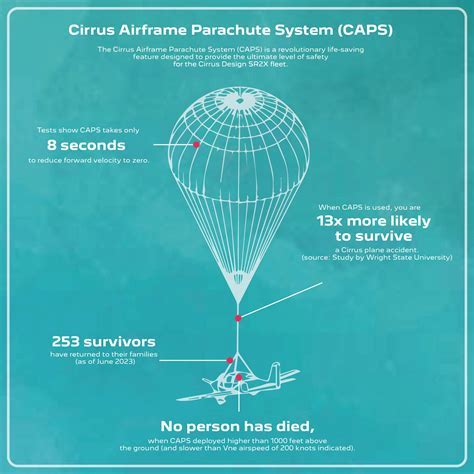
One of the most defining features of the Cirrus SR22 is CAPS, the integrated whole-aircraft parachute system. CAPS has saved hundreds of lives, establishing Cirrus as a safety-first innovator in general aviation. Activated via a simple overhead handle, CAPS can deploy in emergencies such as engine failure, spatial disorientation, or midair collisions.
While early SR22 models received criticism for high fatal accident rates, modern data tells a different story. As training and pilot proficiency improved—especially surrounding proper CAPS usage—the SR22’s safety record has outperformed its peers in the high-performance piston segment.
The Glass Cockpit Revolution
In 2003, Cirrus equipped the SR22 with the Avidyne Entegra system, the first fully integrated glass cockpit in a light aircraft. This leap redefined how pilots interact with their avionics. Later generations replaced Avidyne with Garmin Perspective and Perspective+, offering digital terrain awareness, autopilot integration, and Electronic Stability Protection (ESP).
Today’s SR22 features include:
-
Synthetic Vision
-
SurfaceWatch runway alerts
-
Enhanced Vision Systems (EVS)
-
Dual AHRS (Attitude and Heading Reference Systems)
-
Connectivity with Cirrus IQ app
These technologies combine to create an ecosystem where data, safety, and control seamlessly align, allowing pilots to fly more confidently, even in adverse conditions.
Performance and Specifications: SR22 G5
To understand why the SR22 G5 remains a gold standard, it’s essential to evaluate its core performance figures.
General Specs:
-
Engine: Continental IO-550-N (310 hp at 2,700 rpm)
-
Propeller: Hartzell 3-blade composite
-
Max Cruise Speed: 183 KTAS @ 8,000 ft
-
Service Ceiling: 17,500 ft (25,000 ft for turbo models)
-
Range: 1,100 nautical miles @ economy cruise
-
Takeoff Distance: 1,517 ft
-
Landing Distance: 1,178 ft
-
Empty Weight: 2,345 lbs
-
Max Takeoff Weight: 3,600 lbs
These specifications confirm what owners and pilots already know: the SR22 offers a blend of power, range, and sophistication unmatched in its class.
Real-World Applications and Global Reach
Beyond its engineering, the Cirrus SR22 is renowned for its operational versatility. It has found a home in diverse aviation sectors:
-
Flight schools use SR22s for advanced instrument and commercial training, thanks to their modern avionics.
-
Private owners value the aircraft’s luxury finish and robust cross-country capabilities.
-
Government agencies in countries such as Australia, France, and Colombia operate SR22s for training and utility missions.
-
Air taxi services, including ImagineAir and Fly Aeolus, deploy the SR22 for point-to-point executive travel across regional routes.
Even military fleets have adopted the aircraft for early-phase pilot instruction, recognizing its balance of complexity and accessibility.
Cultural Footprint and Record Flights
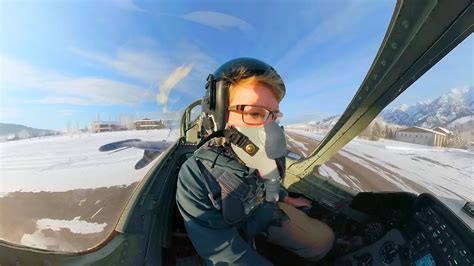
The SR22 has not only excelled technically but has also made its mark culturally. In 2014, teen pilot Matt Guthmiller became the youngest person to circumnavigate the globe solo in a single-engine aircraft—a Cirrus SR22. This feat captured global media attention and underlined the SR22’s credibility as a world-class platform for adventure and endurance.
Market Impact and Ownership Experience
Cirrus Aircraft has built a lifestyle brand around SR22 ownership. The company’s Vision Center in Knoxville, Tennessee, delivers concierge-level services to owners, from personalized training to maintenance support. New buyers often enroll in Cirrus Approach, a transition training program that emphasizes scenario-based instruction and CAPS deployment.
This holistic ecosystem is part of why Cirrus has sold over 8,000 SR22 aircraft globally—a figure that reflects not only initial sales but also loyalty and long-term satisfaction.
Conclusion
The Cirrus SR22 continues to stand as a pillar of general aviation achievement. With each new generation, it has pushed boundaries in safety, performance, and cockpit innovation. Whether piloted by a solo enthusiast, a business commuter, or a government trainee, the SR22 offers unmatched versatility wrapped in a luxury aviation experience. In a rapidly evolving industry, Cirrus has ensured the SR22 remains not just relevant, but dominant.
Frequently Asked Questions
What is the top speed of the Cirrus SR22?
The maximum cruise speed of the SR22 is approximately 183 knots true airspeed (KTAS) at 8,000 feet. Turbocharged models can reach similar speeds at higher altitudes.
How does the Cirrus SR22 parachute system work?
The Cirrus Airframe Parachute System (CAPS) is a ballistic recovery system designed to deploy a full canopy above the aircraft in emergencies. It is activated by pulling a ceiling-mounted handle, which fires a rocket to deploy the parachute, bringing the entire aircraft down safely.
What is the price of a new Cirrus SR22?
As of 2024, the price of a new SR22 G7 starts around $850,000 to $950,000 USD, depending on options such as turbocharging, avionics upgrades, and interior customizations.