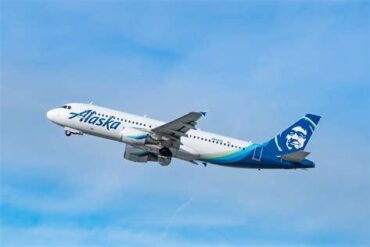
The global airline industry is confronting an unexpected operational shock as Airbus confirms that more than 6,000 A320 aircraft require immediate software updates or hardware interventions after a radiation-related data corruption event. The manufacturer’s precautionary directive has already triggered cancellations, delays, and extensive maintenance actions across major carriers, marking one of the broadest technical interventions ever applied to the A320 program.
Intense solar radiation is believed to have corrupted critical flight-control data on a subset of Airbus A320 aircraft, prompting an urgent safety review. The incident that accelerated the review involved a JetBlue A320 operating from Cancun to Newark, which suffered a violent and sudden altitude loss—plunging from 35,000 to 18,000 feet within minutes—injuring three passengers. Subsequent analysis revealed that corrupted control data may have contributed to the chain of events, catalyzing worldwide precautionary action.
Airbus and aviation regulators, including the European Union Aviation Safety Agency, are moving swiftly to implement an emergency airworthiness directive. The directive mandates that thousands of jets running the affected software version be grounded to reinstall earlier, stable code, while others may require hardware replacements expected to keep aircraft offline for weeks.
Major Airlines Begin Grounding A320 Aircraft
The ripple effects are already visible across Asia, North America, and Europe. All Nippon Airways (ANA) has canceled 65 domestic flights out of Tokyo Haneda and regional airports, disrupting travel for nearly 9,400 passengers. The carrier relies heavily on the A320 for high-frequency domestic routes, intensifying the operational impact.
Rival Japan Airlines remains unaffected thanks to its reliance on Boeing narrowbodies, while neighboring Asiana Airlines anticipates only minor schedule adjustments with fewer than 20 aircraft affected. In the United States, American Airlines reports that approximately 340 of its aircraft require updates, with nearly 80 already out of service as technicians implement the manufacturer’s rollback procedures.
EASA’s Emergency Directive and Airbus’ Response
The emergency directive could impose short-term groundings on as many as two-thirds of the 6,440 active core-model A320 aircraft, while a significant number may also face deeper hardware-level corrections. Airlines operating predominantly Airbus narrowbodies—such as low-cost giants—are expected to endure the most severe disruptions during one of the busiest travel periods of the year.
Airbus issued a formal statement acknowledging the global scale of the issue and warning customers of unavoidable disruptions. Despite the operational fallout, the manufacturer stresses that safety remains the overriding priority, noting that the corrupted data must be eliminated before affected airframes are cleared to fly.

Wizz Air, easyJet, IndiGo and Others Prepare for Weekend Turbulence
With more than 11,300 A320-family aircraft in commercial service worldwide, the scope of the software review is unprecedented. Large operators such as easyJet, Lufthansa, Frontier, United, AirAsia, IndiGo, and Qatar Airways are coordinating with Airbus to sequence the required maintenance windows.
European low-cost carrier Wizz Air—with an all-Airbus fleet—has already notified passengers of potential schedule disruptions as it mobilizes teams to complete the required updates. The airline confirmed that several of its aircraft fall within the group flagged for immediate action.
How Solar Radiation Triggered a Fleet-Wide Inspection
Solar radiation, the stream of electromagnetic energy emitted from the sun, regularly interacts with aviation operations—particularly at high altitudes where shielding is minimal. While half of this radiation is visible light, the remainder comes as ultraviolet and near-infrared energy that can interfere with sensitive electronic systems.
Aviation authorities routinely monitor space-weather conditions because severe solar events can degrade GPS accuracy, interrupt communications, and—in rare circumstances—affect onboard avionics. The latest event appears to have caused data corruption in flight-control software logic, necessitating the global rollback.
Industry Braces for Days of Disruptions
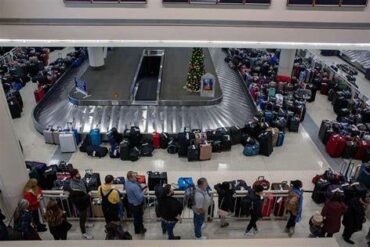
As airlines work through the urgent software and hardware corrections, passengers are likely to see delays, cancellations, and last-minute reassignments—particularly at carriers where the A320 forms the backbone of operations. While many aircraft can be updated within hours, jets requiring hardware replacements may be grounded for extended periods.
The situation remains fluid as regulators and Airbus continue the fleet-wide evaluation. With safety taking precedence over schedule reliability, carriers across Asia, Europe, and North America are recalibrating their weekend operations while awaiting further guidance. The next few days will reveal the full impact of this extraordinary global grounding action and how rapidly the world’s most widely used narrowbody can be returned to stable service.