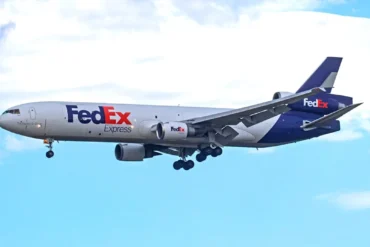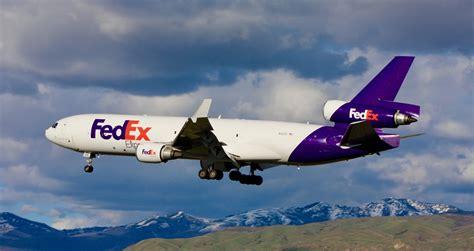
FedEx Express is preparing to bring one of cargo aviation’s most recognizable workhorses back into the skies. The McDonnell Douglas MD-11, long considered a cornerstone of the company’s intercontinental freight network, is now cleared for a return to service in May. The decision follows months of intensive inspections and operational reassessments triggered by a high-profile accident involving a similar aircraft type. With capacity under pressure and global logistics demand holding firm, the move underscores a pragmatic shift: reliability and availability now outweigh the push for rapid fleet modernization.
The announcement, attributed to FedEx leadership during a New York industry appearance, carried a tone of confidence. The aircraft, described as “ready to go,” represents more than a technical milestone—it marks a strategic recalibration. While newer, more fuel-efficient aircraft dominate long-term planning, the immediate reality of constrained lift capacity has brought older widebody freighters back into focus.
FedEx’s reliance on the MD-11 is not accidental. The tri-engine freighter occupies a unique operational niche, offering high payload capability, long-range performance, and flexibility across transcontinental and intercontinental routes. Even as the industry steadily pivots toward twin-engine efficiency, the MD-11 continues to deliver value where demand spikes outpace fleet renewal timelines.
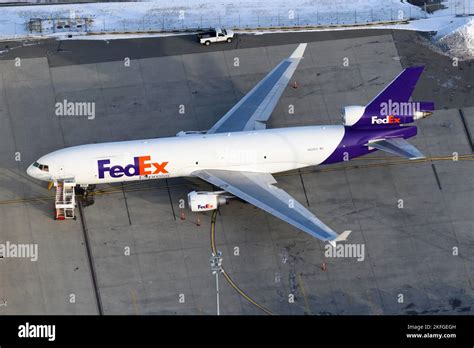
Why FedEx Is Reintroducing the MD-11 Into Active Service
The timing of the MD-11’s return is closely tied to ongoing capacity challenges across global cargo networks. Air freight demand remains elevated, driven by e-commerce expansion, supply chain realignments, and persistent volatility in maritime shipping. At the same time, delays in aircraft deliveries and limited availability of widebody freighters have tightened supply.
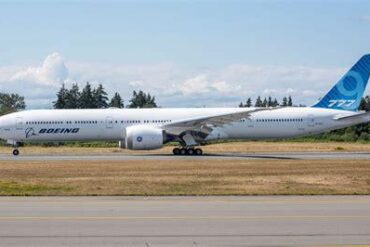
FedEx’s solution is both practical and immediate: reactivate stored assets that can be deployed quickly. The MD-11, despite its age and higher operating costs compared to modern jets, offers a ready-made capacity buffer. By bringing these aircraft back online, FedEx can stabilize key routes without waiting for new deliveries of Boeing 777 freighters or other next-generation aircraft.
This approach also reflects a broader industry pattern. When market conditions shift rapidly, airlines often lean on existing fleets rather than pursuing costly and time-consuming expansion strategies. In this context, the MD-11 is less a relic and more a strategic reserve—one that can be activated when conditions demand.
The Incident That Grounded a Global Fleet
The temporary withdrawal of MD-11 aircraft worldwide was prompted by a serious accident involving a UPS-operated freighter in November 2025. Shortly after takeoff from Louisville Muhammad Ali International Airport, the aircraft suffered a catastrophic failure when its left engine detached from the wing. The resulting loss of thrust and structural integrity led to a crash within seconds of liftoff.
Initial investigations pointed to metal fatigue within the engine pylon structure—the critical component that secures the engine to the wing. Over time, microscopic cracks had developed in the aft mounting system, eventually compromising its ability to withstand normal operational stresses. When the structure failed, it triggered a chain reaction that rendered the aircraft uncontrollable.
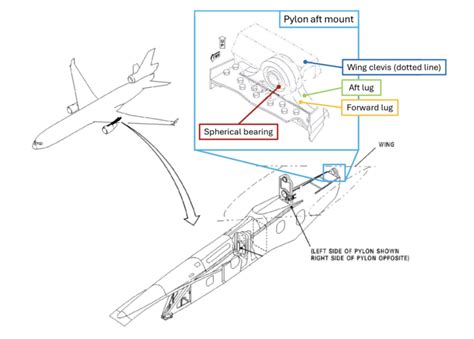
This finding shifted the focus away from systemic design flaws and toward maintenance practices and inspection intervals. Regulators and operators moved swiftly, grounding MD-11 fleets as a precaution while conducting detailed examinations of similar components across all aircraft. The emphasis was clear: identify and mitigate fatigue risks before returning any aircraft to service.
What Changed: Inspections, Fixes, and Renewed Confidence
The path back to operation required a comprehensive review of both structural integrity and maintenance procedures. Airlines, including FedEx, conducted targeted inspections of engine pylons, attachment hardware, and surrounding structures. Where necessary, components were repaired or replaced, and inspection protocols were updated to detect early signs of fatigue.
This rigorous process has now produced results. FedEx’s MD-11 fleet has been cleared for return, indicating that all required safety modifications and checks have been completed. The distinction is critical: the aircraft itself was never fundamentally flawed, but certain components required closer monitoring and, in some cases, reinforcement.
The decision by UPS to retire its MD-11 fleet entirely adds another dimension to the story. While one operator chose to exit the type, FedEx has opted for continued use—highlighting differences in fleet strategy, risk tolerance, and operational priorities. For FedEx, the benefits of reactivation outweigh the costs, at least in the near term.
An Aging Aircraft With Enduring Utility
Introduced in the early 1990s, the MD-11 was designed as an advanced successor to the DC-10, incorporating improved aerodynamics and modern avionics. While it struggled to compete in the passenger market, it found lasting success as a dedicated freighter, where its design strengths aligned more closely with operational needs.
Today, the aircraft is undeniably less efficient than newer models like the Boeing 777F. It burns more fuel per ton of cargo and requires three engines instead of two, increasing maintenance complexity. Yet these disadvantages are balanced by its ability to carry substantial loads over long distances—capabilities that remain highly relevant in a constrained market.
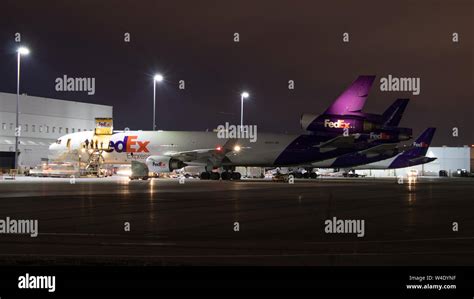
FedEx’s broader fleet strategy reflects this dual reality. The company continues to invest heavily in modern aircraft while selectively retaining older ones to ensure operational resilience. The MD-11’s return is not a reversal of modernization efforts but a bridge—one that connects current demand with future capacity.
What the MD-11 Return Means for Global Cargo Networks
The reactivation of FedEx’s MD-11 fleet is likely to have an immediate impact on intercontinental cargo flows. Routes that experienced reduced capacity during the grounding period will regain lift, easing pressure on high-demand corridors between North America, Europe, and Asia.
More broadly, the move illustrates the adaptability of cargo airlines in a rapidly evolving environment. Unlike passenger carriers, which are often constrained by rigid schedules and customer expectations, cargo operators can adjust fleets and networks with greater flexibility. This agility allows them to respond quickly to disruptions—whether caused by accidents, market shifts, or geopolitical events.
For now, the return of the MD-11 represents a calculated decision rooted in necessity and confidence. The aircraft may be approaching the twilight of its operational life, but its relevance has not faded. As FedEx prepares to redeploy these tri-jets across its global network, the message is clear: in aviation, proven capability still carries weight—especially when the stakes are measured in tons of cargo moving across continents overnight.