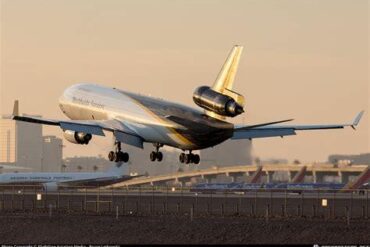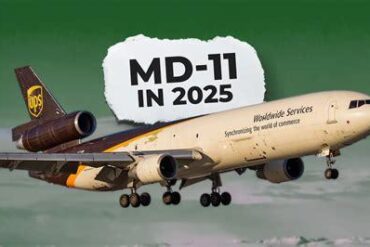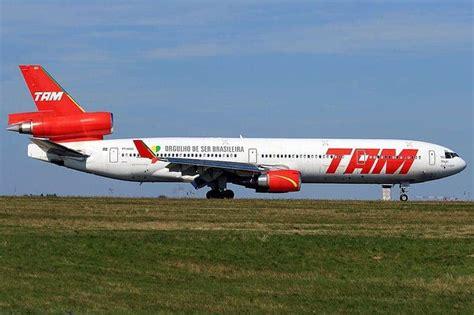
The McDonnell Douglas MD-11 occupies a peculiar and fascinating corner of aviation history. It was the last serious attempt to perfect the long-range trijet, an aircraft configuration that once symbolized intercontinental ambition. Developed as a sophisticated evolution of the DC-10, the MD-11 entered service at precisely the wrong moment: just as long-haul twin-engine aircraft were proving they could fly farther, burn less fuel, and satisfy regulators once wary of extended overwater twin operations.
Yet for a time, the MD-11 was a formidable machine. With its stretched fuselage, distinctive winglets, glass cockpit, and improved avionics, it promised airlines higher payload capability and extended range without stepping up to a Boeing 747. It was efficient—at least by late-1980s standards—powerful, and unapologetically bold. Several major carriers adopted it as a strategic bridge between eras, using it to expand global networks before economics and engineering nudged the industry in another direction.
By examining seven airlines that once operated the MD-11 in passenger service, a clearer picture emerges of how this aircraft thrived—and why it ultimately stepped aside.
American Airlines: A Bridge Between Widebody Generations
American Airlines introduced the MD-11 in 1991, deploying a fleet of 18 aircraft at a time when global route expansion demanded heavy-lift capacity without the scale of a jumbo jet. The MD-11 fit neatly into that strategic gap. It provided high passenger density, substantial belly cargo volume, and intercontinental range, all without the operational complexity of a four-engine aircraft.
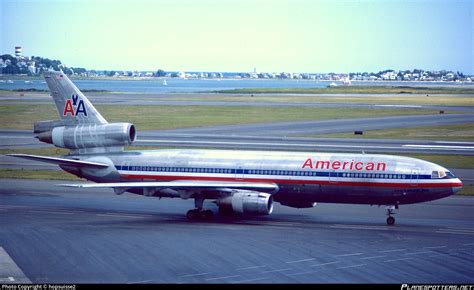
For American, the aircraft represented a transitional platform. The airline was moving away from earlier widebody designs while evaluating what the next generation of long-haul aircraft would look like. The MD-11’s two-pilot cockpit was a significant step forward from earlier three-crew designs, aligning with broader industry trends toward cockpit automation and crew reduction.
But as the 1990s progressed, twin-engine aircraft such as the Boeing 777 began demonstrating comparable range with superior fuel efficiency. The economics shifted rapidly. By 2001, American retired the MD-11 from passenger service, marking a decisive pivot toward a simplified twinjet future. The trijet had done its job, but the numbers increasingly favored engines in pairs.
China Airlines: Targeted Capacity For Growing Asian Demand
China Airlines operated a modest fleet of four MD-11s beginning in 1992, utilizing them strategically rather than structurally. Rather than building a long-haul identity around the type, the airline used it to supplement capacity during a period of intense regional growth.
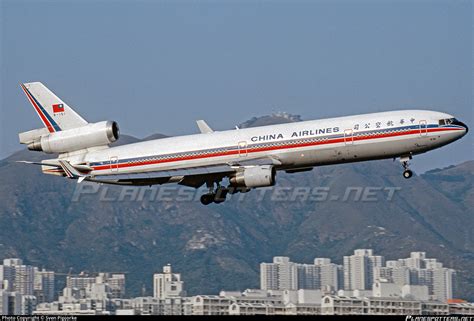
In the 1990s, Asian carriers were balancing aggressive traffic growth with cautious capital investment. The MD-11’s ability to combine strong passenger volume with cargo capability made it attractive for specific trunk routes. Through cooperation with Mandarin Airlines, China Airlines leveraged the type to enhance long-haul operations without committing to a large fleet.
However, small fleets introduce complexity. Training, maintenance, and scheduling flexibility become more expensive per aircraft. As twinjets matured and financial logic tightened, the MD-11’s niche narrowed. By 2002, China Airlines exited MD-11 passenger operations, reflecting the broader regional and global move toward twin-engine standardization.
Delta Air Lines: Ambition And Measured Longevity
Delta Air Lines introduced the MD-11 in 1990, ultimately operating 17 aircraft. At the time, Delta was strengthening its international network, and the MD-11 provided a modern, capable widebody tool. It could transport significant passenger loads while carrying meaningful cargo—an increasingly important revenue stream on long-haul sectors.
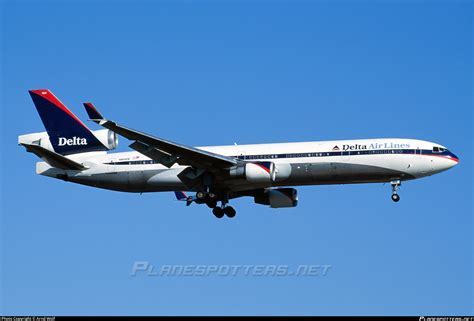
The aircraft remained in Delta’s fleet longer than many peers, with retirement arriving in 2005. That extended service life suggests the MD-11 remained operationally viable on specific missions. Its performance envelope—particularly on high-demand intercontinental routes—still aligned with parts of Delta’s network.
Nevertheless, as the Boeing 767 and later the 777 demonstrated increasingly compelling efficiency advantages, the case for fleet simplification strengthened. Maintaining a trijet fleet in an era increasingly defined by fuel sensitivity became progressively harder to justify. Delta’s MD-11 retirement marked the end of its trijet passenger chapter.
Finnair: The MD-11 And The Helsinki Advantage
Finnair’s relationship with the MD-11 stands out for its coherence. Beginning operations in 1990 with seven aircraft, the Finnish carrier used the jet to reinforce its geographically strategic position. Helsinki’s location made it a natural bridge between Europe and Asia, and long stage lengths rewarded aircraft capable of efficient cruise performance.
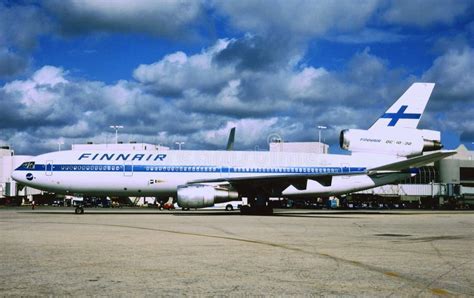
The MD-11 suited Finnair’s network logic. It delivered substantial passenger capacity and reliable cargo lift without overwhelming demand requirements of a 747. For nearly two decades, the aircraft became part of the airline’s long-haul identity.
By the late 2000s, however, new-generation twinjets such as the Airbus A330 and A350 offered superior fuel burn and operational predictability. Finnair retired the MD-11 in 2010, marking a clean transition into the modern twin-engine era. The longevity of its service demonstrated that under the right network conditions, the trijet could still perform effectively.
Garuda Indonesia: Ambition Meets Economic Reality
Garuda Indonesia introduced the MD-11 in 1991, operating a fleet of five aircraft during a period of modernization and international expansion. The aircraft symbolized ambition: a modern, long-range widebody capable of elevating the airline’s global profile.
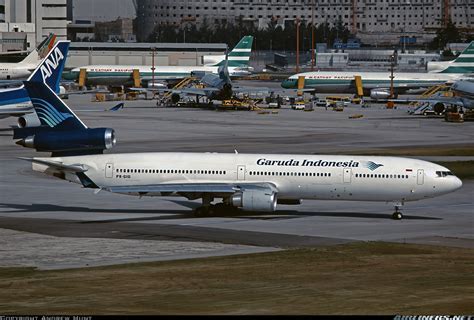
Yet small fleets can be unforgiving. Training programs, spare parts inventories, and scheduling resilience are harder to sustain with limited aircraft numbers. The MD-11 was also relatively fuel-hungry compared to emerging twinjets, a disadvantage that became increasingly pronounced during economic volatility in the late 1990s.
By 1998, Garuda retired the type. The combination of financial pressure and evolving aircraft economics made the tri-engine strategy unsustainable. The episode illustrates how even a capable aircraft can struggle when scale and stability are absent.
Japan Airlines: Strategic Experimentation In The Late 1990s
Japan Airlines integrated ten MD-11s beginning in 1993, using them as flexible tools within a diversified widebody fleet. The aircraft fit well between smaller long-haul types and the iconic Boeing 747, offering capacity appropriate for major international corridors without requiring jumbo-level demand.

The MD-11’s combination of range and cargo volume aligned with Japan’s hub-to-hub international model. For a time, it represented a practical right-sizing solution. However, the pace of technological advancement was relentless. Twin-engine aircraft rapidly improved in both reliability and efficiency, eroding the MD-11’s competitive edge.
By 2004, JAL retired the type. The decision reflected a broader strategic simplification and commitment to twin-engine long-haul fleets, emphasizing operational consistency and cost control.
KLM Royal Dutch Airlines: The MD-11’s Final Passenger Bastion
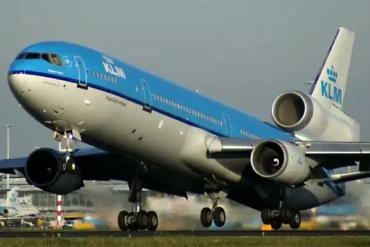
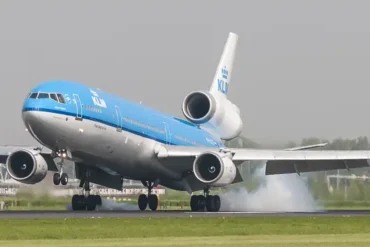
KLM remains the most iconic MD-11 passenger operator. Beginning service in 1993, the Dutch carrier operated ten aircraft and kept them flying until 2014, longer than any other major passenger airline.
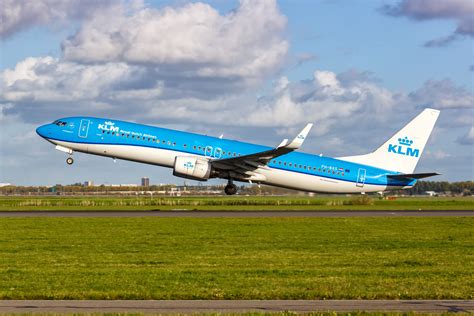
KLM integrated the MD-11 into a disciplined, utilization-focused network centered on Amsterdam Schiphol. The aircraft proved versatile—large enough for trunk routes yet flexible enough to rotate across varied long-haul destinations. Importantly, many airframes were fully amortized, reducing capital pressure.
Still, even a mature and well-supported MD-11 fleet could not escape the gravitational pull of twin-engine efficiency. As Airbus A330s and Boeing 777s delivered superior fuel performance and simplified maintenance structures, the trijet’s era closed. KLM’s 2014 retirement marked the end of large-scale MD-11 passenger operations worldwide.
The MD-11’s Place In Aviation Evolution
The story of these seven airlines is less about failure and more about transition. The McDonnell Douglas MD-11 was not an inadequate aircraft. It was a capable, technically advanced evolution of the DC-10 that arrived at a pivotal technological inflection point.
The rapid expansion of ETOPS (Extended-range Twin-engine Operational Performance Standards) allowed twinjets to operate long overwater routes once reserved for three- or four-engine aircraft. Advances in engine reliability, composite materials, and avionics reshaped long-haul economics. The industry shifted from redundancy through additional engines to redundancy through reliability and efficiency.
For a brief window, the MD-11 embodied ambition: a widebody optimized for payload and reach at a time when globalization was accelerating. Airlines used it to bridge strategy gaps, support growth, and experiment with capacity deployment. Some integrated it deeply into their networks; others employed it tactically.
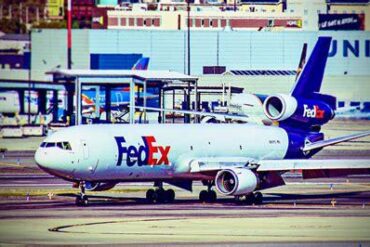
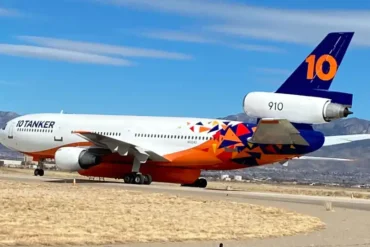
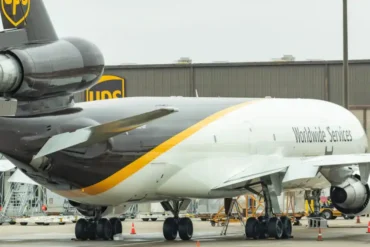
Its passenger career faded, but the aircraft found enduring relevance in cargo service, where payload volume and structural strength remain prized attributes. That enduring freighter presence underscores an important truth: aviation progress is rarely a clean break. It is a series of calculated transitions.
The MD-11 stands as the final flourish of the trijet age—a technological crescendo before the twin-engine symphony took over. For the airlines that once operated it, the aircraft was not merely a fleet entry. It was a strategic instrument deployed during a turning point in commercial aviation history, when design philosophy, regulation, and economics converged to redefine how the world flies.