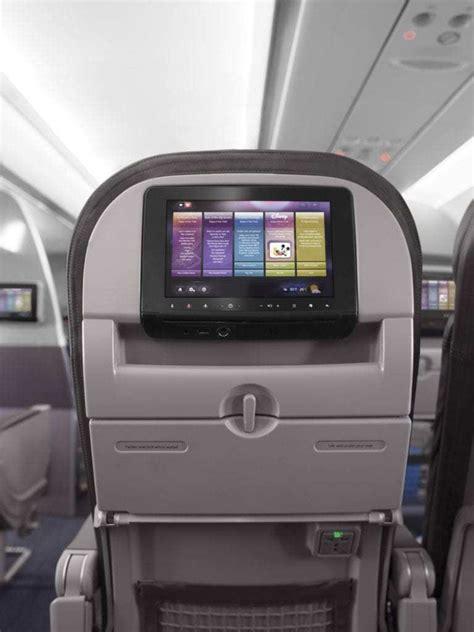
For nearly a decade, American Airlines stood firmly behind its decision to remove seatback entertainment screens from much of its domestic fleet. The strategy was designed around efficiency, lighter aircraft, reduced maintenance costs, and the assumption that travelers preferred using their own phones and tablets instead of airline-provided screens. In 2026, that calculation suddenly appears to be changing.
After months of growing criticism from passengers frustrated by inconsistent onboard experiences, American Airlines has now publicly acknowledged what many travelers have been saying for years: consistency matters. The airline’s recent social media response defending — while also subtly questioning — its current inflight entertainment setup has become one of the clearest signals yet that seatback screens may soon return across more of the carrier’s narrowbody aircraft.
The timing is significant. American’s competitors, particularly Delta Air Lines and United Airlines, have continued investing heavily in seatback entertainment, premium cabin upgrades, and high-speed connectivity. As passengers increasingly compare onboard experiences before booking flights, the absence of seatback screens has evolved from a minor inconvenience into a competitive disadvantage.
American Airlines Begins Reconsidering Its Longstanding IFE Strategy
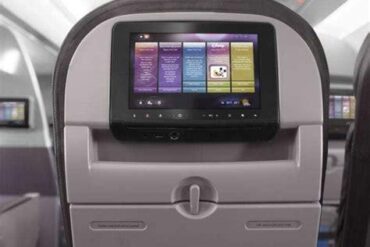
American Airlines removed seatback screens from many aircraft beginning in 2017, arguing that passengers already carried powerful personal devices capable of streaming entertainment. The airline adopted a “bring your own device” approach, allowing travelers to connect to onboard streaming portals through WiFi rather than watching content on built-in displays.
At the time, the move reflected broader industry trends. Airlines sought to reduce aircraft weight, maximize seating density, and lower long-term maintenance expenses. Removing entertainment systems saved fuel, simplified cabin interiors, and freed space for larger overhead bins and redesigned seating layouts.
But passenger expectations have changed dramatically since then.
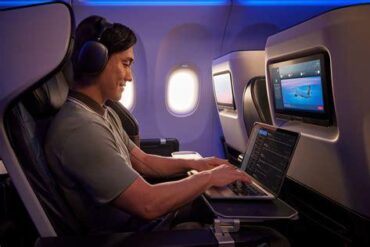
Travelers today increasingly view inflight entertainment as part of the overall value proposition rather than an optional luxury. On longer domestic flights especially, many passengers prefer integrated screens that eliminate the need to balance tablets on tray tables or drain personal device batteries during travel.
American Airlines’ public response to a traveler complaining about inconsistent entertainment options highlighted this growing pressure. The airline acknowledged that while many aircraft offer streaming services for personal devices, “consistency is important,” especially when customers compare experiences across airlines.
That wording immediately caught attention throughout the aviation industry because it represented a notable shift in tone from a carrier that had long defended its device-based strategy.
Passenger Expectations Are Forcing Airlines To Rethink Cabin Design
The modern airline passenger is more connected, more informed, and far more likely to compare onboard products before purchasing a ticket. Cabin interiors have become a major battleground among US carriers competing for premium leisure travelers and business passengers willing to spend more for comfort.
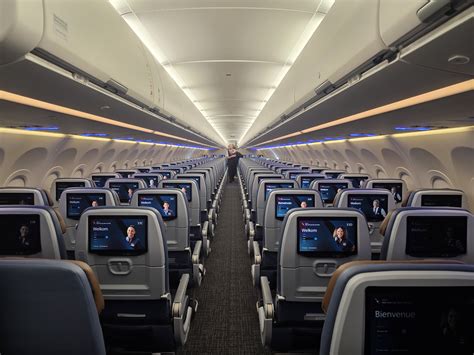
Delta Air Lines has spent years positioning its cabin experience around consistency, ensuring that even many domestic narrowbody aircraft include seatback screens, power outlets, and upgraded interiors. United Airlines has also accelerated investments in modern inflight entertainment systems while simultaneously exploring advanced connectivity partnerships.
American Airlines increasingly risks appearing outdated by comparison.
The issue extends beyond simply watching movies during a flight. Seatback screens influence how passengers perceive the overall quality of an airline. A cabin equipped with modern displays often feels newer, cleaner, and more premium even if seat dimensions remain largely unchanged.
This perception gap has become especially problematic for American because its fleet currently offers a mix of entertainment experiences. Some aircraft still feature screens, particularly widebody international jets, while many domestic narrowbody aircraft rely entirely on personal-device streaming.
Passengers boarding different aircraft types on connecting itineraries can experience dramatically different cabin products within the same airline network.
That inconsistency has fueled mounting frustration online, where travelers frequently post side-by-side comparisons showing competing airlines offering more polished onboard experiences.
The Airline’s Retrofit Programs Could Accelerate Future Changes
American Airlines has already been conducting extensive retrofit programs across portions of its fleet, including Airbus A319 and A320 aircraft. These upgrades primarily focused on increasing premium seating capacity, refreshing interiors, and improving operational efficiency.
Ironically, some of those retrofit programs involved removing existing seatback screens from older aircraft.
Now, however, the airline appears to be reevaluating whether that strategy remains viable in an increasingly competitive market.
Industry observers are paying close attention to comments made by American Airlines Chief Commercial Officer Heather Garboden, who recently told reporters to “stay tuned” regarding future inflight entertainment developments. While not an official confirmation, the statement strongly suggests discussions are underway about expanding seatback entertainment options once again.
At the same time, American is exploring high-speed connectivity improvements, including potential Starlink partnerships that could dramatically enhance onboard internet performance.
The combination of faster WiFi and renewed interest in seatback screens suggests the airline may eventually pursue a hybrid entertainment model rather than relying exclusively on personal devices.
Personal Device Streaming Alone May No Longer Be Enough
The original logic behind the bring-your-own-device model seemed reasonable when smartphones and tablets rapidly became universal travel companions. Airlines assumed passengers preferred their own content libraries and familiar devices over airline entertainment systems.
Yet practical limitations continue to frustrate travelers.
Phone holders remain absent on many American Airlines aircraft, making hands-free viewing awkward during longer flights. Battery drain is another persistent issue, especially when passengers stream video for several hours. Families traveling with children also often prefer integrated entertainment systems that require less setup and reduce dependence on personal electronics.
Southwest Airlines and other carriers have introduced improved tray-table holders and device mounts to address some of these concerns, but American has lagged behind in adopting similar cabin features consistently across its fleet.
Passenger sentiment increasingly indicates that travelers want both options available: reliable onboard streaming for personal devices and integrated seatback screens for convenience.
The aviation industry’s broader evolution also favors enhanced onboard experiences. Travelers paying higher ticket prices after years of inflation and fluctuating fares expect visible comfort upgrades in return. Small amenities that once seemed secondary — larger bins, fast WiFi, Bluetooth connectivity, and entertainment screens — now carry substantial influence over customer satisfaction scores.
Competitive Pressure Is Reshaping The Future Of Domestic Flying
American Airlines now finds itself at a strategic crossroads. Continuing without widespread seatback screens risks falling further behind competitors that aggressively market premium onboard experiences. Reintroducing them, however, represents a costly operational reversal after years spent removing the systems.
Still, the economics of passenger loyalty may now outweigh earlier efficiency gains.
In today’s airline market, perception matters almost as much as ticket price. Travelers increasingly choose airlines based on comfort consistency, especially on high-frequency domestic routes where multiple carriers compete head-to-head. A modern cabin environment can influence repeat bookings, loyalty program engagement, and even corporate travel contracts.
For American Airlines, restoring seatback screens could symbolize more than just entertainment. It would represent an acknowledgment that passengers still value thoughtful cabin design in an era dominated by digital convenience.
Whether the airline formally announces a fleetwide return later this year remains uncertain. What is clear, however, is that American Airlines is no longer dismissing the conversation. After years of defending its screen-free cabins, the carrier is now openly recognizing that passengers want a more consistent and premium inflight experience.
And in an industry where customer expectations evolve quickly, that recognition may ultimately force one of America’s largest airlines to reverse course entirely.