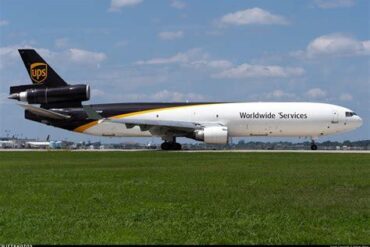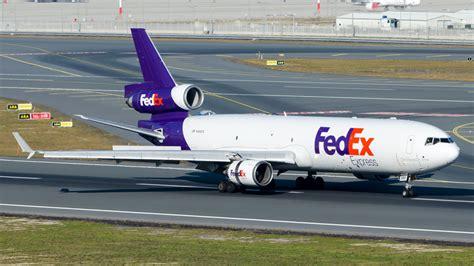
The iconic McDonnell Douglas MD-11 has finally returned to the air after six months of silence, marking a critical turning point for the global cargo industry and for one of aviation’s most recognizable trijets. On Saturday evening, a FedEx Express MD-11 departed Memphis for a controlled test flight, becoming the first aircraft of its type to fly since the fatal UPS crash in November 2025 triggered a worldwide grounding of the fleet.
For cargo operators, aircraft engineers, and aviation analysts, the flight represented far more than a routine systems check. It was the first visible sign that Boeing’s extensive redesign and structural reinforcement program may finally be ready to return the aging but still heavily relied-upon freighter to operational service.
The aircraft involved in the test was N621FE, one of FedEx’s active MD-11 freighters. Flight tracking data showed the trijet departing Memphis International Airport shortly before sunset before climbing to 29,000 feet and conducting a carefully monitored series of maneuvers over Tennessee and northern Alabama. The aircraft remained airborne for more than 70 minutes before safely returning to Memphis.
The successful mission instantly reignited industry discussion surrounding the future of the MD-11, an aircraft that many believed had already flown its final commercial chapter.
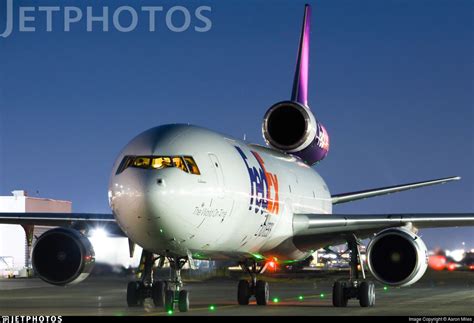
FedEx Pushes Forward While UPS Retires The MD-11
The return flight also highlighted a growing divide between the world’s two largest MD-11 cargo operators. While UPS Airlines has already confirmed plans to permanently retire its remaining MD-11 fleet following the November crash, FedEx is moving aggressively toward restoring the aircraft to service.
That difference reflects the unique role the MD-11 still plays within FedEx’s global logistics network. Despite the aircraft’s age, the trijet remains valuable because of its substantial cargo capacity and long-range performance. FedEx currently operates 29 MD-11 airframes, many averaging more than 32 years old, yet still deeply integrated into overnight freight schedules connecting North America, Asia, and Europe.
The grounding created immediate operational pressure across the cargo market. With e-commerce demand continuing to surge and international freight capacity already constrained, removing nearly 30 widebody freighters from service forced FedEx to reshuffle aircraft assignments and increase reliance on other fleet types.
The airline’s determination to revive the MD-11 demonstrates how difficult it would be to replace that capacity quickly, even in an era dominated by newer twin-engine freighters.
Boeing Develops Structural Fix After Investigation
The November 2025 UPS crash placed intense scrutiny on the MD-11’s aging structure and Boeing’s long-standing awareness of stress concerns surrounding the aircraft’s left engine pylon system. Investigators ultimately identified structural fatigue and excessive stress concentrations around critical hinge components connected to the engine bearing assembly.
Although Boeing and MD-11 operators had reportedly known about elevated stress loads since 2011, the issue had not previously been categorized as an immediate flight safety threat. The crash fundamentally changed that assessment.
In response, Boeing engineers developed a reinforced hardware solution designed specifically to strengthen vulnerable areas within the pylon structure. The redesign also includes updated maintenance procedures and inspection intervals intended to detect structural wear far earlier than before.
The test flight from Memphis served as the first real-world validation of those modifications.
According to aviation sources familiar with the program, FedEx has already positioned maintenance teams and engineering crews to accelerate the retrofit process once final regulatory approval is granted. The company intends to perform detailed inspections and modifications on every MD-11 before any aircraft returns to commercial cargo operations.
The Federal Aviation Administration still must formally review Boeing’s repair package and maintenance strategy before broader fleet reactivation can proceed. Until then, every flight remains tightly controlled under testing and evaluation conditions.
The First Flight Revealed A Carefully Controlled Evaluation
Flight data from the Memphis sortie showed a methodical and conservative testing profile consistent with early-stage engineering validation flights.
After takeoff, the aircraft climbed gradually toward cruise altitude before heading eastward. During the mission, pilots conducted two circuits around Huntsville International Airport, an area frequently used for aerospace and aviation testing activity because of its relatively uncongested airspace and proximity to major engineering facilities.
The aircraft later descended to lower altitudes for additional handling evaluations before returning to Memphis.
The entire operation appeared focused on gathering structural performance data, engine response information, and vibration readings from the modified pylon components. Engineers will likely spend days analyzing telemetry collected during the flight before authorizing additional tests.
The smooth completion of the sortie nevertheless provided a major confidence boost for FedEx and for Boeing’s repair effort.
MD-11 Fleet Remains Stranded Across The World
While Saturday’s flight was a milestone, the broader logistical challenge facing FedEx remains enormous. Since the global grounding order was issued last November, the airline’s MD-11 fleet has effectively been frozen in place across multiple continents.
Because regulators denied ferry permits after the crash investigation began, many aircraft became stranded far from FedEx maintenance bases. Reports indicate MD-11 freighters remain parked at approximately 16 airports worldwide, including locations as distant as Singapore and Tokyo.
Recovering those aircraft has evolved into a complex international engineering project.
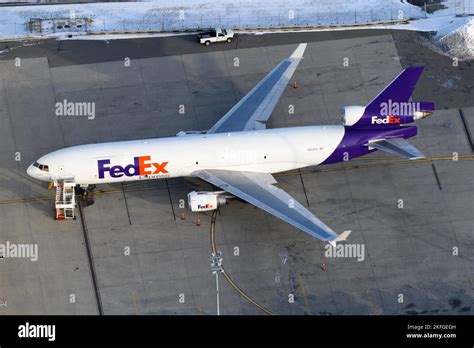
FedEx is now preparing to dispatch specialized technicians to each location in order to remove engine pylons and transport components back to maintenance centers in Memphis and Indianapolis. Once modified, the parts will be reinstalled before aircraft undergo their own individual flight testing programs.
That process will likely stretch across several months even if regulators approve Boeing’s solution quickly.
A Defining Moment For A Legendary Trijet
The MD-11 has long occupied a unique place in commercial aviation history. Developed from the DC-10 platform during the late 1980s, the aircraft became famous for its distinctive three-engine design, massive cargo capability, and unmistakable silhouette.
Passenger airlines gradually phased out the type over the past two decades as more fuel-efficient twinjets entered service. Cargo operators, however, continued embracing the MD-11 because of its payload performance and operational flexibility.
Now, following one of the most significant safety crises in the aircraft’s history, the trijet’s future hangs in a delicate balance.
FedEx’s successful test flight does not guarantee a full-scale return. But after six months grounded worldwide, the MD-11 is airborne once again — and for the cargo industry, that alone marks a significant turning point.