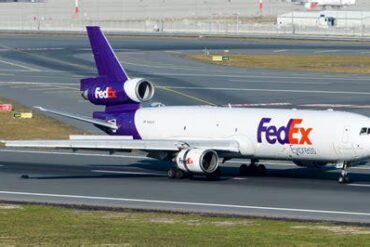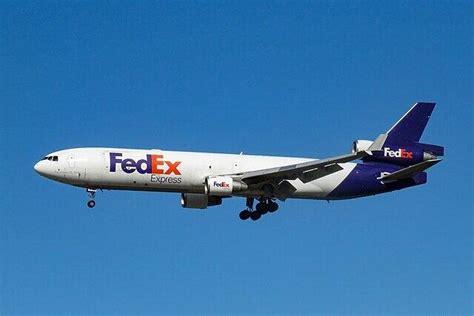
The grounding of McDonnell Douglas MD-11 aircraft has triggered a cascading crisis for FedEx Express, plunging the logistics giant into logistical chaos during the peak holiday shipping season. In the wake of the tragic crash of UPS Airlines Flight 2976 in early November 2025, regulatory authorities ordered a sweeping and indefinite suspension of all MD-11 operations, impacting FedEx more severely than any other carrier.
FedEx, which operates the world’s largest fleet of MD-11s, has found itself scrambling to fill operational gaps across its international network. The most immediate and visible impact has not only been the loss of aircraft capacity, but the breakdown of critical pilot layover arrangements, leaving crew members stranded and frustrated around the globe.
Pilot Accommodation Breakdown Amid MD-11 Grounding
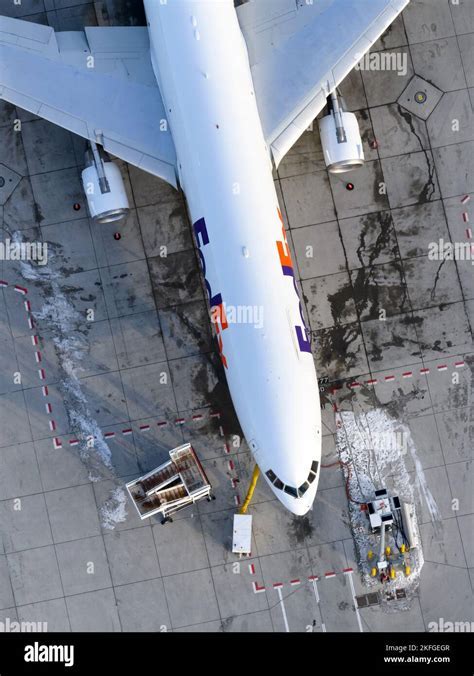
According to a detailed report by FreightWaves, the airline’s internal travel and accommodations team has been overwhelmed by the sudden spike in itinerary changes resulting from the grounding of its 28 active MD-11 aircraft. Traditionally, FedEx books hotels and arranges ground transportation for its pilots during overnight layovers. But now, that system is under immense pressure, and in many cases, it has simply failed.
Pilots have been arriving in unfamiliar cities—often internationally—without confirmed hotel bookings or even basic transportation from the airport. Many of them have been left to arrange their own accommodations, fronting expenses and managing logistics that should be handled by airline support staff. This not only puts undue stress on already-fatigued pilots, but it undermines critical rest period regulations meant to ensure flight safety.
The Air Line Pilots Association (ALPA), which represents FedEx pilots, has sharply criticized the company’s preparedness and staffing decisions. In a statement from the FedEx Master Executive Council, the union condemned years of cost-cutting that have left the flight services department unable to respond to crises:
“FedEx pilots are being stranded in locations around the world without the services required to operate… Revisions and extensions are treated as normal tools rather than signs of a system that can no longer carry its own weight.”
Years of Understaffing and Budget Cuts Surface Under Pressure
This moment of crisis has exposed long-standing vulnerabilities within FedEx’s internal operations. ALPA claims that the inability to secure timely hotel rooms and transport for crew members is not a sudden or isolated incident but a symptom of deeper systemic neglect. Years of cost-reduction measures have whittled down teams that once had the bandwidth to manage real-time disruptions and emergency changes.
As the cargo airline attempts to reallocate flights across its Boeing 767 and 777 fleets and secure charters to compensate for the lost MD-11 capacity, the administrative burden on travel coordinators has become unsustainable. Even well-intentioned contingency plans are being strained by the scale and urgency of the disruption.
$175 Million Financial Blow Amplified By Holiday Demand
FedEx is facing more than just logistical disarray—it is also bracing for an enormous financial hit. During a recent earnings call, FedEx CFO John Dietrich revealed that the grounding of the MD-11s could cost the company up to $175 million for the months of November and December 2025 alone. Approximately $25 million of that was incurred in November, with December projected to be far more expensive due to the holiday peak.
The costs include:
- Emergency aircraft charters to replace grounded MD-11s.
- Additional use of ground transportation and trucking networks.
- Increased overtime and staffing expenses.
- Mounting hotel and travel costs for pilots forced to self-accommodate.
As a direct result of these unanticipated costs, FedEx has lowered its earnings forecast for the quarter ending March 2026. This financial adjustment has sparked concern among shareholders, particularly because the MD-11 fleet was once considered a cost-efficient backbone of the company’s long-haul operations.
Comparisons With UPS: A Tale of Two Airlines
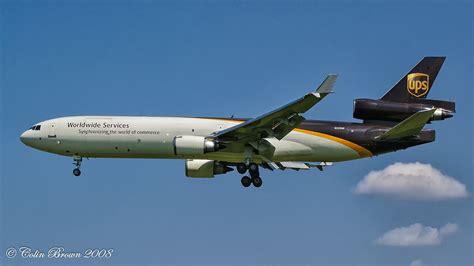
In a striking contrast, UPS Airlines, the second-largest MD-11 operator globally, has reportedly managed to weather the grounding crisis without a similar level of disruption to pilot accommodations. UPS union spokesperson Brian Gaudet stated that no pilots under their banner have faced comparable issues with hotel bookings or transfers.
The comparison casts a spotlight on the internal planning and resource allocation differences between the two major cargo carriers. While both operate aging MD-11 aircraft, only FedEx appears to have encountered a logistical meltdown, particularly in crew services—a vital area that often operates behind the scenes but is fundamental to maintaining a safe and efficient airline.
FedEx Implements Emergency Contingency Plans
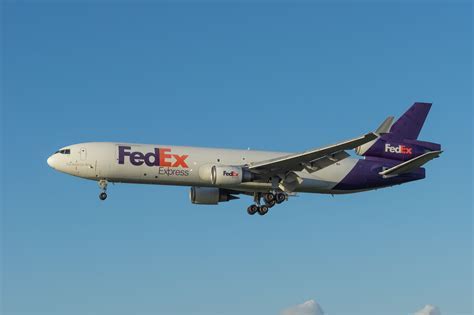
To stabilize the situation, FedEx has begun deploying what it calls “robust contingency plans“. These include:
- Reassigning routes to Boeing 767 and 777 freighters where possible.
- Bringing in additional staff to support the overburdened flight services team.
- Mobilizing spare aircraft from reserves or leasing short-term capacity.
FedEx spokesperson Jonathan Lyons told FreightWaves that the airline is fully aware of the scale of the disruption and is taking “aggressive steps” to mitigate the fallout. Nonetheless, it remains unclear how quickly these measures will bear fruit, especially with maintenance inspections for the grounded MD-11s potentially stretching into the first half of 2026.
Industry-Wide Questions About Aging MD-11 Aircraft
The crisis has also reignited concerns about the continued reliance on aging aircraft like the MD-11. With many of these planes exceeding 30 years of service, questions loom over their future viability—not just from a safety standpoint, but also in terms of fleet efficiency and reliability. While FedEx remains hopeful that its MD-11s will return to service in the coming months, the loss of confidence triggered by the UPS crash and subsequent grounding will not be easily reversed.
Insiders are already suggesting that this may be the final push needed to accelerate fleet modernization strategies. Cargo carriers have historically extended the life of aircraft far beyond what would be typical in passenger service, but the MD-11 saga may serve as a cautionary tale for cost-centric strategies dependent on aging assets.
Long-Term Impact and Lessons Ahead
This episode is more than a temporary disruption—it is a wake-up call for airline operations management. The ability to maintain not just aircraft, but also the human logistics infrastructure—the pilots, coordinators, and ground teams that make a global air network function—has come under the spotlight.
As cargo airlines continue to play an increasingly critical role in global supply chains, particularly during crises and holiday surges, the margin for error has narrowed. FedEx’s experience underscores how even world-class logistics companies can falter when support systems are stretched too thin.
Moving forward, airline analysts will be watching how FedEx recovers—not just in terms of returning aircraft to the skies, but in how it rebuilds trust with its pilots, ensures staff preparedness, and reassesses the long-term sustainability of its operational framework.