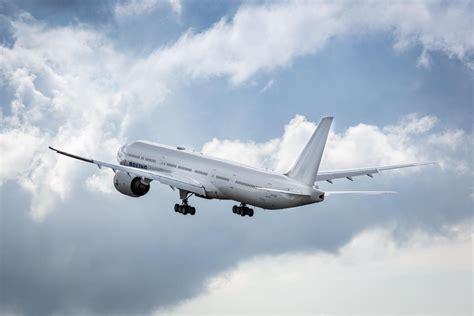
Boeing has taken a major step toward the certification of its highly anticipated 777-9 aircraft, as test aircraft WH004 returned to the skies for the first time since 2021. This significant milestone not only reaffirms Boeing’s commitment to innovation and airworthiness but also introduces a new testing phase with a fully equipped passenger cabin, setting WH004 apart from its test fleet counterparts.
WH004 Takes Flight Again: A Unique Testbed Reenters Service
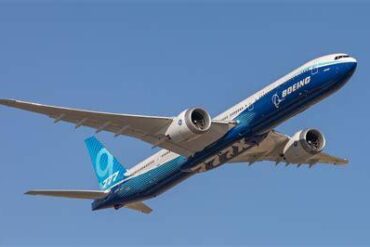
On a brisk morning at Paine Field (PAE) in Everett, Washington, WH004 soared back into the skies, marking its re-entry into the 777X flight testing program. This aircraft is singular in its configuration—the only 777-9 test jet outfitted with a complete passenger interior. Its return is pivotal for testing cabin-focused systems, enabling Boeing to validate elements essential for commercial service readiness.
WH004’s flight marks a renewed phase in the comprehensive 777X testing schedule, focused on real-world cabin experience simulations. With its fully furnished interior, the aircraft will serve as a platform to evaluate:
- Air circulation dynamics
- Acoustic performance and interior noise levels
- Passenger comfort parameters
- Environmental control systems
These insights are indispensable for ensuring that the 777-9 meets both regulatory and customer expectations in long-haul international service.
Months of Maintenance: Preparing WH004 for Return
Bringing WH004 back to flight-ready condition involved meticulous preparation. Following its temporary storage—designed to prioritize earlier structural and aerodynamic testing—Boeing’s teams undertook a thorough maintenance overhaul. This reactivation process incorporated updated flight software, extensive systems checks, and quality inspections.
According to Levi King, Flight Test Maintenance lead, the process was comprehensive: “Although reactivating the airplane involved a significant number of updates, our team remained committed to first-pass quality.”
His statement underscores the precision required to bring such a sophisticated test platform back online. WH004’s readiness demonstrates Boeing’s rigorous standards and the technical prowess of its flight test engineering teams.
A Strategic Role in Certification Campaign
As the only cabin-equipped 777-9 in the test fleet, WH004 plays a central role in validating passenger experience systems—a vital piece of the type certification puzzle. By reintroducing WH004, Boeing signals that it is entering a new and more refined phase of its flight testing program: one that shifts focus from performance baselines to in-flight livability and regulatory compliance of onboard systems.
This includes real-time data collection from systems such as:
- Cabin pressure and temperature regulation
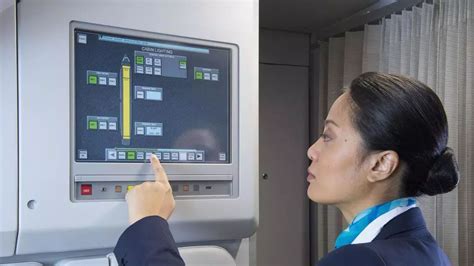
- Lighting ambiance controls
- Seat ergonomics and space utilization
- Noise insulation technologies
These test results will help verify that the 777-9’s cabin environment meets—or exceeds—airline expectations and international safety standards.
777-9 Testing Campaign: A Global Operation
WH004’s return complements Boeing’s ongoing flight testing efforts across a diverse array of geographies and operational environments. Since January, the company has flown its test fleet in a variety of locations including Curacao, Montana, New Mexico, Oklahoma, Texas, and eastern Washington—each selected for specific weather, altitude, and terrain characteristics.
The 777-9 flight test campaign to date has accumulated more than 1,400 flights and nearly 4,000 flight hours, placing it among the most comprehensive validation programs for a widebody jet in recent memory. These flights cover a broad spectrum of mission profiles:
- High-altitude performance evaluations
- Crosswind landing and takeoff tests
- Hot and cold weather operations
- Fuel burn and efficiency tracking
- Envelope expansion and system redundancy checks
This level of detail is necessary for obtaining final FAA certification, a milestone that brings Boeing closer to delivering the 777-9 to customers worldwide.
The 777-9: A Flagship for a New Era
The Boeing 777-9, the flagship of the 777X program, is poised to redefine long-haul air travel. Combining the best of the 777 and 787 families, it features the industry’s largest twin-engine frame, cutting-edge GE9X engines, and folding wingtips for improved aerodynamics and airport compatibility.
Expected to carry up to 426 passengers in a two-class configuration, the 777-9 promises an extended range of 13,500 kilometers (7,285 nautical miles), significantly boosting operational flexibility for international airlines.
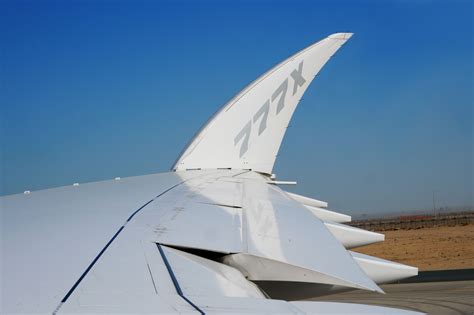
Designed to replace older 747-400s and 777-300ERs, the 777-9 represents an evolution in widebody aircraft, integrating modern fuel efficiency with luxurious cabin amenities. Airlines such as Emirates, Lufthansa, Qatar Airways, and Singapore Airlines are among the launch customers, eagerly awaiting its entry into service.
WH004’s Data Will Shape Passenger Experience Standards
The role WH004 plays extends beyond performance metrics; its mission is to translate engineering into human-centered experience. Engineers will use data collected aboard WH004 to finalize specifications for airline interiors, develop safety protocols for cabin systems, and ensure the aircraft meets Part 25 cabin safety regulations.
This includes:
- Verifying evacuation procedures using realistic cabin conditions
- Validating in-flight entertainment system behavior under operational loads
- Testing lavatory airflow and sanitation systems
- Simulating long-duration flight conditions with variable cabin loads
Each system is tested in isolation and in tandem to account for complex interactions and ensure systemic integrity.
Looking Ahead: 777X Certification and Entry Into Service
With all four test aircraft—WH001 through WH004—now active, Boeing is accelerating toward the final phase of the 777X development timeline. Although delays have pushed the initial entry into service (EIS) target, WH004’s return symbolizes tangible progress.
Regulatory oversight from the Federal Aviation Administration (FAA) and other global bodies is stringent, especially in light of increased scrutiny over recent years. Boeing’s flight test campaign, particularly with WH004, seeks to demonstrate exhaustive compliance and operational maturity.
Upon certification, the 777-9 will offer airlines a new level of efficiency and comfort, positioning itself as a prime successor in the long-haul market.
Conclusion: WH004’s Return Is More Than a Flight—It’s a Statement
The return of WH004 is not just a test milestone—it is a clear affirmation of progress in one of Boeing’s most ambitious aircraft development programs. With its full passenger cabin, WH004 elevates the focus from technical readiness to human-centric design, playing a crucial role in shaping what future passengers will experience aboard the 777-9.
As Boeing pushes forward with its test program, WH004 will remain at the center of cabin validation efforts. The data, insights, and operational learnings from its flights will inform not only the final certification documents, but the future of widebody passenger air travel itself.