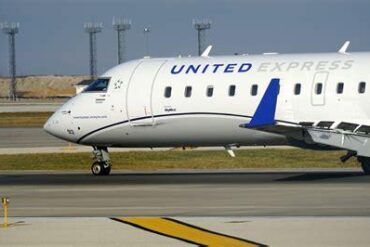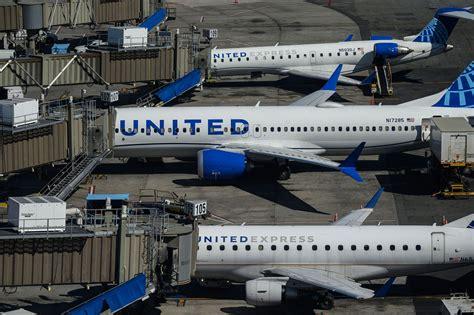
A United Express flight bound for Houston was forced to make an emergency return to Indianapolis International Airport after an agitated passenger allegedly called 911 during takeoff, shouted for the aircraft to stop, and rushed toward the front of the cabin. The alarming incident unfolded just minutes after departure, prompting the flight crew to prioritize safety and return the regional jet to the airport, where law enforcement officers removed the passenger from the aircraft.
The disruption occurred on June 30 aboard United Express Flight UA3989, operated by Mesa Airlines using an Embraer E175 regional jet. The aircraft had departed Indianapolis for George Bush Intercontinental Airport in Houston when the situation escalated rapidly. According to reports, the 32-year-old passenger became visibly distressed during the takeoff roll, placing a 911 call from inside the aircraft while repeatedly shouting, “Stop the plane.” His behavior quickly alarmed both passengers and crew as he reportedly attempted to move toward the aircraft’s forward section.
Crew members immediately recognized the seriousness of the unfolding situation. Air traffic control communications later revealed the pilots informed controllers that they had “a belligerent passenger trying to open the cabin door,” prompting an immediate decision to abandon the flight and return to Indianapolis. The Embraer remained airborne for only about 15 minutes before safely landing back at its departure airport.
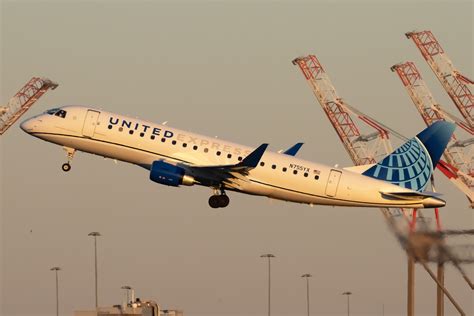
Passenger Restrained Before Police Removed Him
As the situation intensified inside the cabin, fellow travelers assisted the flight attendants by restraining the disruptive passenger before the aircraft landed. Such cooperation is often essential during serious onboard disturbances, allowing cabin crew to maintain control until authorities can intervene safely.
Once the aircraft reached the gate, airport police officers boarded the jet and detained the individual without further incident. The remaining passengers stayed onboard while airline personnel coordinated the next steps. After authorities completed their response and the necessary operational checks were finished, the flight eventually departed again for Houston approximately 90 minutes later.
No injuries were reported among passengers or crew during the incident, although the event undoubtedly created a tense atmosphere inside the aircraft. Both United Airlines and Mesa Airlines followed established safety procedures designed to address disruptive passenger events while minimizing additional risk to everyone onboard.
Why Flight Crews Choose Immediate Emergency Landings
Returning to the departure airport shortly after takeoff is never a decision pilots make lightly. However, when a passenger’s behavior threatens the safety of the aircraft, crew members, or other travelers, an immediate landing becomes the safest available option.
In incidents involving attempted interference with cabin operations or movement toward secured areas of the aircraft, every second matters. Flight crews receive extensive training to recognize escalating threats and coordinate responses with cabin personnel and air traffic controllers. By returning quickly, they reduce the amount of time a dangerous situation can continue while ensuring law enforcement can respond promptly once the aircraft is on the ground.
Because the flight landed only minutes after departure, the aircraft still carried most of its planned fuel load. Aircraft manufacturers establish maximum landing weights, and crews must determine whether an immediate landing can be safely accomplished within those limits. Depending on aircraft type and operational circumstances, pilots may either land overweight if safety requires it or delay landing long enough to reduce weight.
Aircraft Inspections Follow Emergency Returns
Whenever an aircraft performs an emergency landing—particularly if it lands above its normal maximum landing weight—it may require detailed inspections before returning to service.
Engineers carefully examine structural components, landing gear assemblies, braking systems, wheels, and other critical areas to verify that no damage occurred during landing. These inspections help ensure the aircraft remains fully airworthy before carrying passengers again.
Regional aircraft like the Embraer E175 generally operate relatively short routes, but even on these flights, fuel weight remains a significant operational consideration immediately after departure. Fortunately, in this case, the required inspections and operational procedures were completed quickly enough for the aircraft to continue its scheduled journey later that day.
Attempted Access Toward the Front of the Aircraft Raises Serious Security Concerns
Although reports indicate the passenger moved toward the aircraft’s forward section and attempted to interfere with a cabin door, modern commercial aircraft incorporate multiple layers of security designed to protect both passengers and flight crews.
Since enhanced aviation security measures were introduced over the past two decades, cockpit doors have been reinforced and strict procedures govern access to the flight deck. Flight attendants receive specialized training to respond rapidly to any attempt to approach restricted areas, while pilots coordinate immediately with air traffic control whenever security concerns arise.
Equally important is the role played by passengers. In this incident, several travelers reportedly helped restrain the individual until the aircraft landed safely, demonstrating how coordinated responses between crew and passengers can help prevent a potentially more serious situation.
FAA Investigating as Unruly Passenger Incidents Remain a Major Challenge
The Federal Aviation Administration (FAA) has launched an investigation into the incident, which adds to hundreds of disruptive passenger cases reported across the United States this year.
According to FAA statistics, more than 830 unruly passenger reports had already been recorded during the first half of 2026, highlighting that disruptive behavior continues to present significant operational and safety challenges for airlines. While the numbers remain below the unprecedented peak experienced in 2021, aviation authorities continue enforcing strict penalties against passengers whose actions interfere with flight operations.
The FAA has demonstrated a willingness to impose substantial financial penalties, with some recent enforcement actions resulting in fines exceeding $80,000 for serious onboard misconduct. Such penalties reflect the significant risks created when passengers ignore crew instructions or attempt to interfere with aircraft operations.
The emergency return of United Express Flight UA3989 serves as another reminder that airline safety depends not only on advanced aircraft technology and highly trained crews but also on passenger cooperation. Thanks to the swift actions of the pilots, cabin crew, fellow travelers, and responding law enforcement officers, the aircraft landed safely, allowing the flight to resume after the situation had been fully resolved.