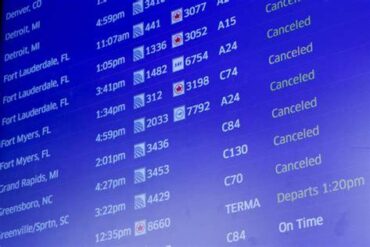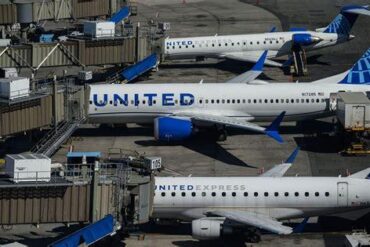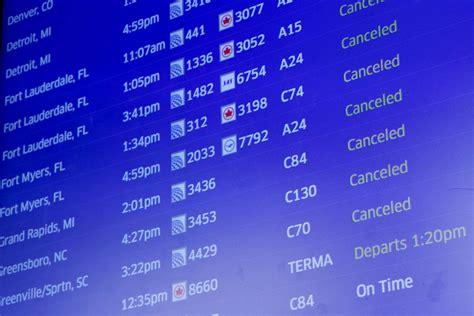
Newark Liberty International Airport, one of the busiest air travel hubs in the United States, has once again become a focal point of national aviation concerns. Amid recurring flight delays, disruptions, and operational gridlock, United Airlines CEO Scott Kirby has issued a direct call to the Federal Aviation Administration (FAA), urging an immediate return to strict slot controls at the New Jersey airport.
For years, Newark operated under Level 3 slot control regulations, a framework that ensures scheduled flights do not exceed airport capacity. However, since the FAA’s 2016 decision to downgrade the airport to Level 2 status, Newark has become a cautionary tale of what happens when regulation lags behind demand.
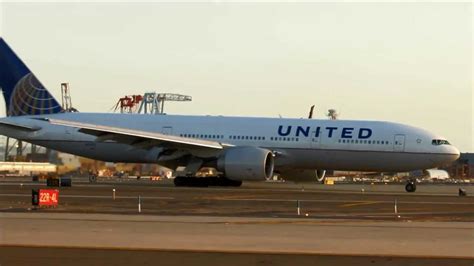
A System Under Strain: The Surge in Newark Flight Disruptions
In recent weeks, Newark has been plagued by a cascade of flight cancellations and delays, with United bearing the brunt due to its extensive hub operations. While weather often plays a role in travel disruptions, the primary culprits in this case are far more systemic. According to Kirby’s letter dated 7 May, outages in air traffic control (ATC) systems and a shortage of controllers—many on leave due to trauma and stress—have led to severe operational bottlenecks.
Kirby stated bluntly that the FAA’s lack of oversight and failure to enforce capacity limits is creating a volatile situation, not just for United but for all airlines operating in and out of Newark. With ATC resources stretched thin, flights are being scheduled beyond the airport’s sustainable limits, producing ripple effects that can be felt across the national airspace.
Kirby’s Directive: Restore Level 3 Slot Controls
In his memo to employees, Kirby made a pointed recommendation: return Newark to a Level 3 slot-controlled airport, capping hourly operations at 77 flights, consistent with the FAA’s own stated capacity ceiling for the facility. In the interim—while the airport undergoes runway construction and infrastructure upgrades—he proposed an even tighter cap of 44 flights per hour to stabilize operations.
“Every other large capacity-constrained airport in the world uses slots to ensure that the number of scheduled flights in any given hour does not exceed the airport’s maximum capacity,” wrote Kirby. “Newark is the only large airport globally that no longer follows this common-sense rule.”

FAA’s Slot Classifications: A Framework Under Review
The FAA currently categorizes U.S. airports into different levels based on their operational complexity and infrastructure limitations. At present, only three airports—JFK, LaGuardia, and Reagan National—are classified as Level 3. These require airlines to hold FAA-issued slots to take off or land.
Level 2 airports, such as Newark, are subject only to schedule coordination, not strict capacity enforcement. This looser framework has allowed airlines to incrementally increase flight schedules without FAA checks, leading to the over-saturation seen today.
When Newark was reclassified from Level 3 to Level 2 in 2016, the decision was seen by some as a nod to future capacity growth. But today, amid a strained ATC workforce and growing passenger volumes, the rationale for that downgrade appears dangerously outdated.
United’s Preemptive Flight Cuts: A Flawed Fix?
Last week, United announced a 70-flight reduction from its Newark schedule, a proactive measure to ease congestion and reduce downstream disruptions. However, as Kirby noted, without FAA-imposed limits, competitor airlines can simply backfill these slots, rendering United’s cuts moot and potentially exacerbating the operational chaos.
Kirby’s position is clear: voluntary reductions by individual carriers will not solve the problem. A coordinated, federally enforced cap is the only viable solution. “Unless the FAA acts, we risk watching the same patterns repeat—delays, cancellations, stranded passengers, and a loss of public confidence in the air travel system,” he warned.
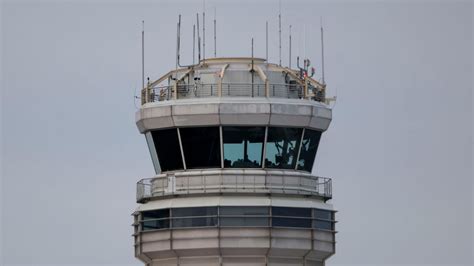
Controller Shortages and Mental Health Concerns
The current crisis is not just logistical—it’s human. Reports from the National Air Traffic Controllers Association (NATCA) reveal that some controllers are taking leave due to mental health issues, including trauma triggered by the immense pressure of maintaining flight safety under suboptimal conditions.
The FAA’s ATC infrastructure has long been stretched, with chronic understaffing exacerbated by pandemic-era retirements and budget constraints. In an environment where every second counts, controller fatigue and resource scarcity translate directly to delays and safety risks.
Industry Silence: A Notable Absence of Response
Notably, neither the FAA nor other major U.S. carriers have publicly responded to Kirby’s letter. This silence from regulators and competitors stands in contrast to the gravity of the situation unfolding at Newark. The absence of a coordinated response reflects an aviation sector grappling with fragmented authority and limited cross-operator coordination.
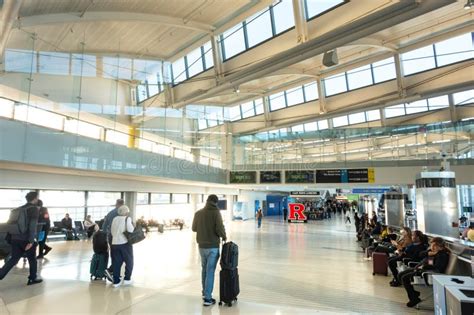
Yet the stakes are high. Newark serves as a critical transatlantic gateway, with thousands of daily travelers depending on its reliability. The airport’s dysfunction radiates outward, impacting arrival and departure flows across the Northeast corridor.
A Call for Structural Reform, Not Just Patchwork Fixes
Kirby’s plea is not just about United’s operations—it’s a system-wide call for structural reform. He is advocating for a return to rigorously enforced slot discipline, a cornerstone of aviation planning that has been gradually eroded.
In aviation, predictability is paramount. Airports, airlines, and air traffic systems function best when guided by clear, enforceable rules that balance demand and infrastructure. By allowing unrestricted scheduling at Newark, the FAA has created a mismatch between theoretical capacity and actual throughput.
Without reimposing slot limits, we risk transforming Newark into a permanent bottleneck, one that threatens broader network reliability. As air traffic continues to rebound post-pandemic, these cracks in the regulatory foundation will only widen.
Newark’s Future: At a Regulatory Crossroads
The next few months will be critical for Newark and for national air travel as a whole. The FAA’s response—or lack thereof—will determine whether this moment becomes a turning point or just another chapter in the airport’s chronic congestion saga.
Kirby’s intervention places the FAA squarely in the spotlight. The industry is watching closely to see whether regulators will acknowledge the deteriorating conditions and move decisively to impose order.
A return to Level 3 slot control at Newark would not be a silver bullet, but it would be a crucial first step toward restoring operational integrity and protecting passengers from unpredictable travel disruptions.
Until then, the skies above Newark remain crowded—and the questions surrounding their management grow louder each day.