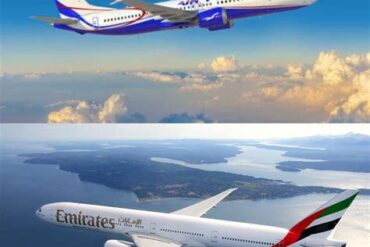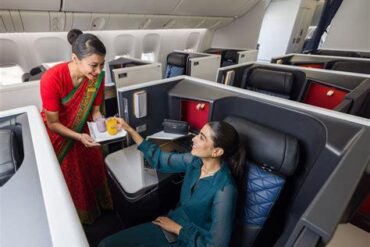
London Heathrow Airport has spent years being described as one of the world’s most congested airports. With only two runways serving one of the busiest international aviation markets, every available takeoff and landing slot is fiercely contested. Yet despite those limitations, five airlines are launching or returning to Heathrow in 2026, proving that access to Britain’s busiest airport remains one of the aviation industry’s most valuable prizes.
For airlines, securing Heathrow slots is often as challenging as launching an entirely new route. Rather than simply applying for available capacity, many carriers must lease, purchase, or inherit operating rights from existing airlines. That reality makes every new entrant significant, particularly at an airport where demand consistently exceeds supply.
Instead of signaling that Heathrow has solved its slot shortage, the arrival of these airlines highlights just how creative carriers have become in securing access to one of Europe’s premier global gateways.
Why Heathrow’s Slot Problem Still Shapes Every New Route
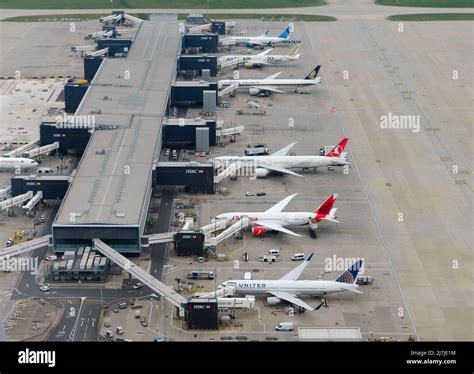
Heathrow remains the United Kingdom’s largest international airport and one of Europe’s most important connecting hubs. Millions of passengers travel through its terminals every year, linking London with destinations across every continent.
However, unlike several competing European hubs, Heathrow continues operating with only two runways. That limited infrastructure means aircraft movements are tightly regulated through an internationally coordinated slot allocation system.
Airlines cannot simply decide to launch new Heathrow flights whenever demand appears. Instead, they must obtain highly valuable landing and departure slots, which have become among the aviation industry’s most sought-after assets. Because available capacity is extremely limited, airlines frequently acquire slots through leasing agreements, mergers, or long-term strategic partnerships.
The five airline additions arriving during 2026 demonstrate that despite Heathrow’s ongoing congestion, opportunities still exist for carriers willing to invest in one of aviation’s most competitive markets.
Alaska Airlines Makes Heathrow Debut From Seattle
Perhaps the most notable newcomer is Alaska Airlines, which has officially entered the London market by launching nonstop flights between Seattle-Tacoma International Airport and Heathrow.
The route represents several milestones simultaneously. It is Alaska Airlines’ first-ever service to London and only its second European destination after expanding into Rome earlier in the year.
Daily operations are performed using the Boeing 787-9 Dreamliner, aircraft acquired following the airline’s merger with Hawaiian Airlines. Rather than purchasing permanent Heathrow slots outright, Alaska secured access through a leasing agreement with fellow oneworld alliance member American Airlines, illustrating how valuable slot-sharing arrangements have become.
The new service also strengthens connections between the U.S. Pacific Northwest and Europe, offering travelers additional options while expanding Alaska’s long-haul international network.
Pakistan International Airlines Returns After Regulatory Clearance
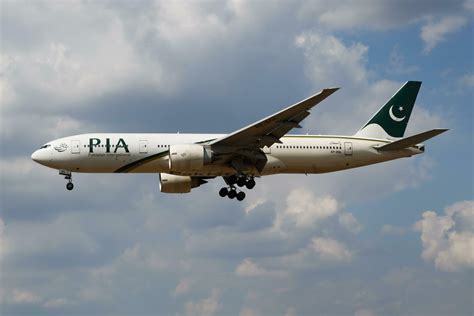
Another significant development is the return of Pakistan International Airlines (PIA) to Heathrow.
The carrier resumed operations after being removed from the United Kingdom’s Air Safety List, allowing it to restore direct services between London and Pakistan.
Using widebody Boeing 777 aircraft, PIA now serves both Islamabad and Lahore from Heathrow. Islamabad receives the majority of scheduled operations, reflecting stronger passenger demand, while Lahore also regains valuable nonstop connectivity with one of the UK’s largest Pakistani communities.
The restart represents more than another route announcement—it restores an important air link that had been unavailable for several years due to regulatory restrictions.
XiamenAir Expands Heathrow’s Direct China Network
Chinese carrier XiamenAir is also joining Heathrow’s growing portfolio of long-haul airlines.
The airline has secured slots for three weekly flights connecting Heathrow with Xiamen Gaoqi International Airport using the efficient Boeing 787-9 Dreamliner.
One operational advantage available to XiamenAir is its ability to utilize Russian airspace, allowing considerably more direct routing between China and the United Kingdom than many Western competitors currently enjoy. The resulting westbound journey takes less than thirteen hours, improving both operational efficiency and passenger convenience.
The addition further strengthens Heathrow’s role as a gateway connecting Europe with major Chinese cities beyond Beijing and Shanghai.
ITA Airways Returns With Extensive Rome Operations
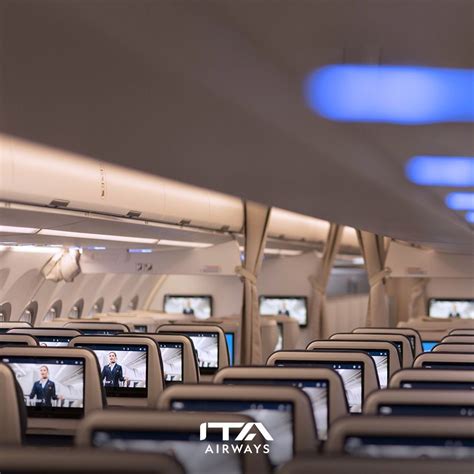
Italian flag carrier ITA Airways has also re-established scheduled Heathrow service after its brief earlier appearance with a one-off Milan rotation.
Its primary focus is now Rome Fiumicino, where hundreds of scheduled flights have been added throughout the year.
Rather than relying on a single aircraft type, ITA operates a flexible narrowbody fleet that includes the Airbus A319, A320neo, A321, and A321neo, allowing capacity to be matched with seasonal demand.
The return significantly increases travel options between London and Italy while strengthening connectivity throughout Southern Europe via Rome’s expanding hub network.
Beond Plans Luxury All-Business Flights—But Questions Remain
The final airline expected to join Heathrow’s lineup is boutique Maldivian carrier Beond.
Unlike conventional airlines, Beond focuses exclusively on premium leisure travel using a 64-seat all-business-class Airbus A321 configured for maximum passenger comfort.
Its Heathrow route is designed to operate between London and Malé with an intermediate stop at Dubai Al Maktoum International Airport, targeting affluent travelers heading to the Maldives.
However, uncertainty surrounds the carrier’s expansion plans. Reports that employees experienced delayed salary payments and that scheduled operations have been temporarily paused have raised doubts about whether Heathrow services will begin as originally planned.
Should flights proceed, they would represent one of Heathrow’s most distinctive premium offerings rather than a mass-market service.
What These Five Airlines Reveal About Heathrow’s Future
Rather than suggesting Heathrow suddenly has abundant capacity, these five airline launches demonstrate the extraordinary value of obtaining even a small number of operating slots.
Each carrier has reached Heathrow through a different pathway. Some benefited from regulatory changes, others leveraged strategic airline partnerships, while some secured newly available operating rights after careful long-term planning.
The result is a broader route network that enhances Heathrow’s position as one of the world’s leading global aviation hubs despite severe infrastructure constraints.
Until additional runway capacity becomes reality, airlines hoping to enter Heathrow will continue facing one of commercial aviation’s toughest competitive barriers. Yet as these five newcomers illustrate, where demand is strong enough, airlines will continue finding innovative ways to gain access to one of the industry’s most prestigious airports.