A routine domestic departure turned into a tense aviation security incident when a disruptive passenger attempted to rush the cockpit of a JetBlue aircraft, biting a flight attendant and another traveler before the plane had even left the gate. The episode forced the aircraft back to its stand at Palm Beach International Airport and delayed the flight for hours, illustrating how quickly a standard airline operation can pivot into a safety crisis.
Unruly Passenger Triggers Security Alarm On JetBlue Flight
JetBlue flight B6-1468, scheduled to operate from Palm Beach International Airport (PBI) in Florida to Westchester County Airport (HPN) in White Plains, New York, was preparing for its evening departure when the situation escalated. According to accounts shared by passengers and aviation observers online, a man suddenly moved toward the front of the aircraft as the flight was preparing to depart.
The passenger allegedly attempted to approach the cockpit door, an action that instantly raises alarm in modern aviation. Since the early 2000s, cockpit access procedures have been fortified with reinforced doors, strict protocols, and heightened crew training designed to prevent unauthorized entry. When someone rushes the front of an aircraft, flight attendants react immediately because the cockpit is effectively the command center of the entire flight.
Witness reports suggest the passenger appeared panicked and rushed forward abruptly, prompting cabin crew to intervene before he reached the cockpit area.
The confrontation that followed quickly became chaotic. Flight attendants attempted to restrain the individual, and at least one passenger joined them in subduing him. During the struggle, the unruly traveler reportedly bit both a flight attendant and a passenger, escalating what had already become a serious onboard disturbance.
Passenger Intervention Helps Crew Restrain Attacker
Eyewitness accounts posted online offered vivid descriptions of the moment. One passenger described the incident as happening just as the aircraft was next in line for departure, when tension on the aircraft suddenly spiked.
According to the account, the disruptive traveler “rushed the front and tried to open the cockpit door.” Crew members immediately blocked his access. A nearby passenger—identified in online discussions as Eric seated in 2C—reportedly assisted the crew in restraining the man until authorities could intervene.
Commercial aircraft crews are trained to handle disruptive behavior, but events involving physical violence require rapid coordination between crew members and passengers. The cockpit door itself is designed to withstand forced entry attempts, but the critical task is preventing anyone from even reaching the point where they can try.
In this case, the quick reaction of the crew and nearby passengers likely prevented the situation from escalating further.
Flight Forced Back To Gate With Major Delay
Following the disturbance, the aircraft returned to the gate at Palm Beach International Airport so the situation could be handled safely on the ground. Removing a disruptive passenger from an aircraft is a standard safety response because once a plane is airborne, options become extremely limited.
The interruption caused a significant delay for everyone onboard. The flight had originally been scheduled to depart at 7:10 p.m. local time, with an expected arrival in White Plains at 10:00 p.m. However, the disruption forced the airline to halt operations while authorities addressed the incident and operational adjustments were made.
Reports indicate that a replacement crew led by Captain Kendall ultimately operated the flight once the situation was resolved. Crew substitutions are not unusual after a security incident because airline duty time rules and safety considerations often require fresh personnel.
The aircraft finally departed Palm Beach at 11:33 p.m., more than four hours behind schedule.
Despite the late departure, the aircraft completed the journey without further incident. After approximately two hours and twenty minutes in the air, the flight landed at White Plains Airport at 1:53 a.m., well past its originally scheduled arrival time.
The Route: A Busy Yet Unusual JetBlue Corridor
The Palm Beach–White Plains route is notable within JetBlue’s network. The airline operates multiple daily flights between the two airports, reflecting strong demand between South Florida and affluent communities in suburban New York.
Westchester County Airport serves areas just north of New York City and is often favored by travelers seeking to avoid the congestion of larger airports such as JFK or LaGuardia. Palm Beach, meanwhile, is a well-known destination for seasonal residents and business travelers.
Because of these factors, the route has developed a reputation as one of JetBlue’s higher-profile non-hub connections. Frequent service allows travelers flexibility, but it also means that operational disruptions—like the one caused by this incident—can ripple through the schedule.
Interestingly, the same flight rotation had already experienced delays the previous day, arriving 92 minutes late, indicating the route had endured a rough operational weekend even before the onboard disturbance occurred.
The Aircraft At The Center Of The Incident
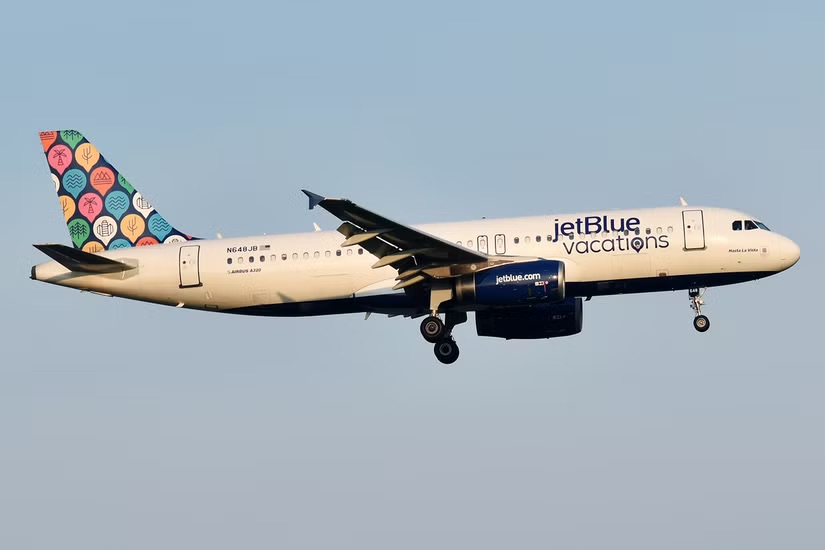
The aircraft assigned to the flight was an Airbus A320-200 registered N648JB, a long-serving member of JetBlue’s narrow-body fleet. The twin-engine jet first flew in December 2006 and later received a distinctive “JetBlue Vacations” special livery along with the name Hasta La Vista in 2018.
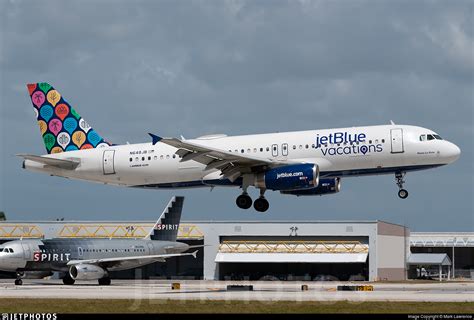
Originally configured with 156 economy seats, the aircraft underwent cabin adjustments over the years. JetBlue briefly reduced the seating to 150 seats in 2007 before transitioning to a denser 162-seat configuration in 2020, aligning with broader fleet updates across the airline.
Aircraft design itself played an important role in the outcome of the incident. Modern Airbus A320 family aircraft feature reinforced cockpit doors capable of resisting forced entry attempts. These security upgrades, introduced worldwide after the early 2000s, fundamentally changed how airlines manage onboard threats.
A Reminder Of Aviation’s Layered Security
Incidents like the one on JetBlue flight B6-1468 highlight the complex choreography behind airline safety. Commercial aviation relies on layers of defense: trained cabin crew, vigilant passengers, hardened cockpit doors, and strict operational procedures that prioritize security over schedule.
Even a single disruptive individual can delay hundreds of travelers and disrupt an airline’s carefully synchronized operations. Yet the swift response by crew members and passengers demonstrates how these safety layers function together.
Commercial air travel remains statistically one of the safest forms of transportation on Earth, precisely because every unusual event—whether mechanical, operational, or human—triggers immediate and structured responses designed to keep the aircraft, crew, and passengers secure.