The Federal Aviation Administration (FAA) has formally announced that it is “too premature” to consider grounding the Boeing 787 fleet in the United States following the tragic crash of Air India Flight 171. The decision comes amid growing concerns over the aircraft’s safety record, particularly as scrutiny mounts over Boeing’s long-standing issues with quality control and production reliability.
FAA Holds Firm Amid Uncertainty
According to FAA officials and statements made by U.S. Transportation Secretary Sean Duffy, there is insufficient evidence at this time to justify pulling the aircraft from service. Duffy emphasized that jumping to conclusions based on speculative video evidence is not a valid basis for such a serious regulatory action. He reiterated that investigative teams from both Boeing and General Electric are en route to India to conduct an on-site analysis.
“They have to get on the ground and take a look. But again right now it’d be way too premature. People are looking at videos and trying to assess what happened, which is never a strong, smart way to make decisions on what took place,” Duffy stated.
The FAA’s position is measured yet firm, indicating that while public safety remains paramount, decisions will be grounded in concrete findings and not premature conjecture.
Tragedy Over Ahmedabad Sparks Global Alarm
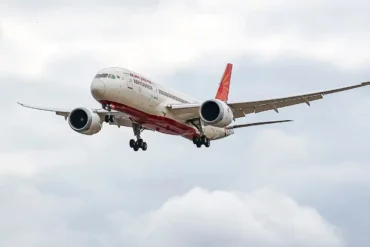
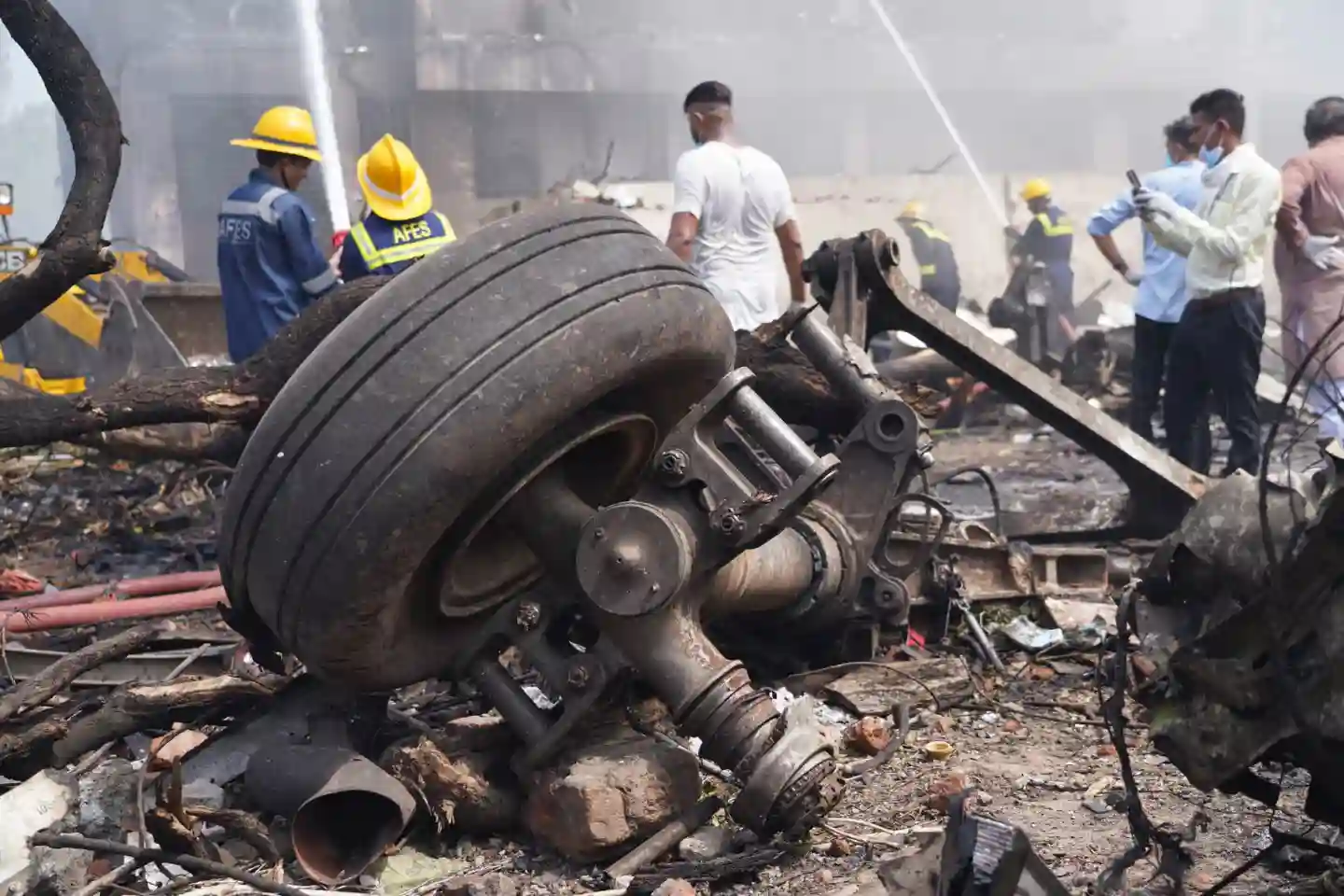
The incident in question occurred when an Air India Boeing 787-8, scheduled to fly from Ahmedabad’s Sardar Vallabhbhai Patel International Airport to London Gatwick, crashed shortly after takeoff. The crash site, a densely populated urban area, witnessed devastating loss of life, with only one survivor reportedly rescued from the wreckage. The aircraft was 11 years old and had completed more than 700 flights in the preceding year.
Though the exact cause remains undetermined, this first-ever hull loss for the Boeing 787 has reignited global attention on the model’s design and reliability. The implications extend well beyond India. Both India and Japan have already issued immediate inspection directives across their respective 787 fleets.
U.S. Carriers on Edge: United and American Most Exposed
If the FAA were to change its stance and issue a grounding order, the impact would be swift and severe. United Airlines, operating 78 Boeing 787 Dreamliners across the -8, -9, and -10 variants, would face massive operational disruptions. The aircraft form the backbone of United’s transoceanic operations and are central to their Pacific and Atlantic route networks.
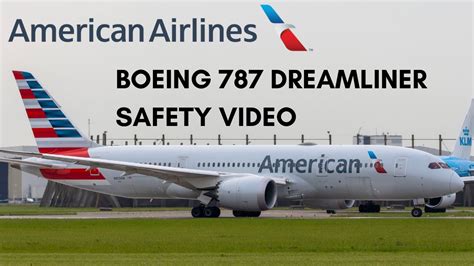
Similarly, American Airlines, which flies 63 Dreamliners, would be forced into large-scale schedule overhauls, affecting long-haul flights to Europe, Asia, and South America. The only other U.S. carrier currently operating the Dreamliner is Hawaiian Airlines, a subsidiary of Alaska Air Group, which has recently begun integrating a smaller number of 787s into its fleet.
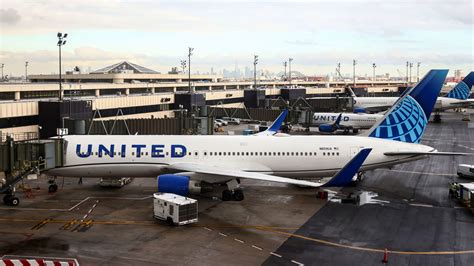
Such grounding would echo the chaotic fallout seen during the 737 MAX crisis, a period during which thousands of flights were cancelled globally. Analysts estimate that 787-specific groundings could ripple through key international hubs such as Chicago O’Hare, Dallas/Fort Worth, and Los Angeles, causing passenger backlogs and potential revenue losses in the hundreds of millions.
Boeing’s Checkered Safety Track Record Under Fire Again
This new crisis has once again spotlighted Boeing’s turbulent history with aircraft safety. Following the deadly crashes of two 737 MAX aircraft in 2018 and 2019, which killed 346 people, the manufacturer was mired in legal and regulatory challenges. Despite sweeping organizational reforms and public commitments to quality, the company has continued to struggle with manufacturing defects and supplier chain inconsistencies.
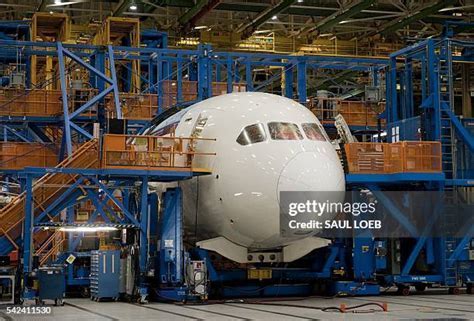
The Dreamliner itself has had a troubled journey. In previous years, the 787 faced temporary production halts due to issues like improper fuselage shimming, electrical grounding faults, and door seal flaws. Though the aircraft was later cleared for full production, concerns have never been entirely dispelled.
As the crash investigation unfolds, aviation analysts warn that Boeing’s reputation could face further erosion, especially if a technical or structural flaw in the 787 is found to have contributed to the Air India disaster. For a company already grappling with delayed aircraft certification timelines and FAA oversight, this latest incident may further imperil Boeing’s market dominance.
Global Regulatory Action Looms as Eyes Turn to Investigation
Even as the FAA waits for concrete findings, international regulators are moving swiftly. India’s Directorate General of Civil Aviation (DGCA) has begun detailed inspections of all Boeing 787s operated by Indian carriers, not limited to Air India. Meanwhile, Japan’s Civil Aviation Bureau has launched an independent review, mirroring the country’s proactive stance during the 737 MAX grounding era.
This global vigilance may eventually force the FAA’s hand, especially if patterns emerge indicating systemic issues with Dreamliner airframes, engines, or maintenance protocols. While no formal Notice to Air Missions (NOTAM) has been issued in the U.S., private communications between the FAA and airline maintenance directors indicate a heightened state of readiness for more drastic measures.
No Clear Answers Yet, Only Growing Pressure
As of now, investigators are still collecting data from the crash site in Ahmedabad. Flight data recorders and cockpit voice recordings have been recovered, and preliminary analysis is underway. The National Transportation Safety Board (NTSB) is also expected to join the investigation, in cooperation with Indian authorities and Boeing engineers.
The next several weeks will be critical. Should early analysis indicate any design-related flaws, pressure will mount on both Boeing and the FAA to take immediate corrective action—ranging from global inspections to software patches or outright groundings. However, if the crash is attributed to external factors such as bird strikes, weather anomalies, or pilot error, the scrutiny on Boeing may ease.
What’s At Stake for the U.S. Aviation Ecosystem
The decision not to ground the Boeing 787 at this stage is not made lightly. U.S. aviation remains heavily dependent on the Dreamliner for its long-haul international competitiveness. Grounding the fleet could spell financial strain not just for airlines but also for connected industries including cargo logistics, tourism, and international trade.
In parallel, the FAA itself is under close observation. Following sharp criticism for its handling of the 737 MAX crisis, the agency must now walk a tightrope—balancing public safety, evidence-based action, and maintaining operational continuity. Any future misstep could re-ignite debates over whether the FAA is too lenient with domestic manufacturers.
Conclusion: A Crossroads for Boeing and Global Aviation Safety
The crash of Air India Flight 171 is a defining moment for Boeing and the broader aviation industry. While it is too early to draw definitive conclusions, the incident underscores the importance of rigorous oversight, transparent investigations, and a commitment to engineering excellence.
Until the facts emerge, the FAA has opted for restraint. But as the public demands accountability and truth, and airlines anxiously brace for potential operational upheavals, one thing remains clear: this investigation is likely to shape the trajectory of the Boeing 787 Dreamliner for years to come.