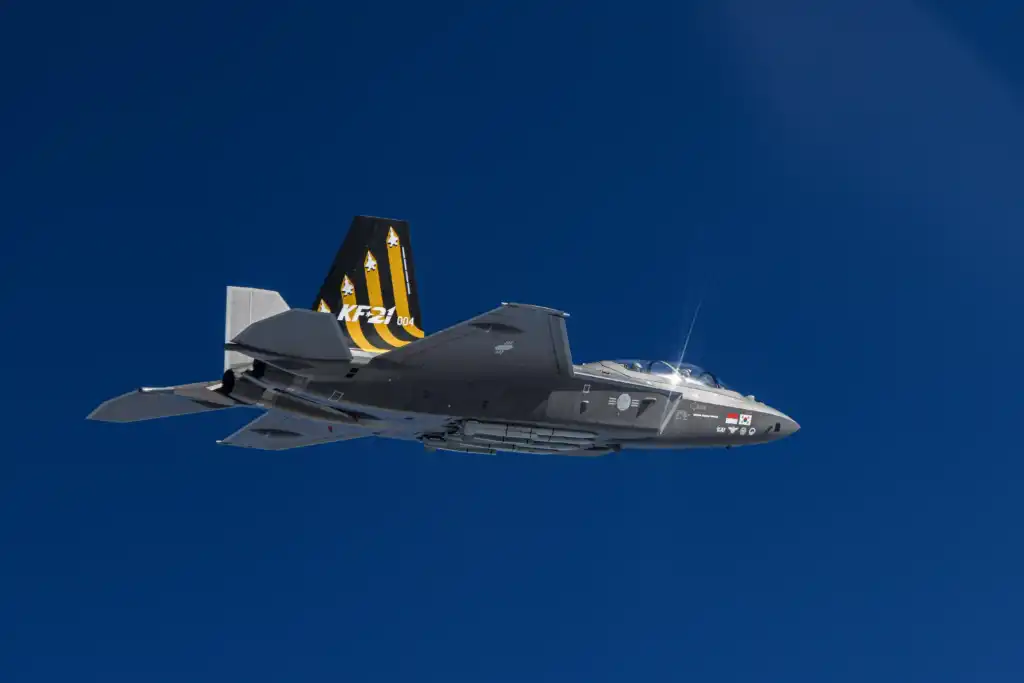
Malaysia’s air combat planning is entering a decisive phase as delays surrounding additional F/A-18 Hornet acquisitions from Kuwait threaten to erode the Royal Malaysian Air Force’s future operational strength. Against this backdrop, Kuala Lumpur has begun exploratory discussions with Korea Aerospace Industries (KAI) over the KF-21 Boramae, signaling a potential strategic shift in how the country intends to replace its aging fighter fleet. While no procurement decision has been made, the timing of these talks underscores mounting concerns over force sustainability, aircraft retirement schedules, and the risk of a widening capability gap in the 2030s.
The trigger for this reassessment lies in Malaysia’s increasingly fragile fighter inventory. The RMAF today relies on a small number of high-performance combat aircraft that are approaching the latter stages of their service lives. Any disruption to interim reinforcement plans, particularly those involving surplus aircraft, directly impacts readiness, pilot proficiency, and deterrence credibility. The uncertainty surrounding Hornet transfers has therefore transformed from a manageable delay into a strategic planning liability.
Malaysia’s interest in the KF-21 is tightly connected to its long-term Multi-Role Combat Aircraft (MRCA) program, which is intended to restore both numerical strength and technological relevance. The Boramae represents a different proposition from previous Western candidates, offering a new-generation platform positioned between fourth-and-a-half and fifth-generation fighters, with a development roadmap still unfolding. For Malaysia, this opens a window to align its future force with evolving regional air power dynamics rather than simply replacing aircraft on a one-for-one basis.
At the core of the current challenge is Malaysia’s shrinking combat fleet. The RMAF operates 18 Su-30MKM fighters delivered between 2007 and 2009, alongside seven F/A-18D Hornets originally inducted in 1997. The fleet suffered an additional setback in August 2025 with the loss of a Hornet following a bird strike, further reducing already limited numbers. These aircraft are supported by a small contingent of Hawk 208 light fighters, themselves constrained by age, attrition, and limited combat relevance. Together, this force structure leaves little margin for maintenance downtime, training surges, or sustained high-tempo operations.
To stabilize the situation, Malaysia turned to South Korea in 2023, signing a $920 million contract for 18 FA-50M light combat aircraft. These jets are scheduled to arrive in two phases, beginning in late 2026 and concluding by 2028. While the FA-50M will significantly enhance training continuity and provide limited combat capability, it is not designed to replace frontline fighters like the Hornet or Su-30MKM. Instead, it functions as a force multiplier and gap filler, highlighting the urgency of securing a true multi-role replacement.
For nearly a decade, Malaysia has pursued an interim solution by seeking surplus F/A-18 C/D Hornets from Kuwait. The plan, first examined after the retirement of the MiG-29 fleet in 2017, envisioned acquiring up to 33 aircraft to bridge the gap until MRCA fighters could be introduced. This strategy hinged entirely on Kuwait’s transition to the F/A-18E/F Super Hornet, ordered in 2016. However, by late 2025, Kuwait had yet to confirm a firm delivery timeline for its replacement aircraft, a process dependent on U.S. approvals and production schedules.
This prolonged uncertainty has steadily eroded the viability of the Hornet stopgap. Even if the aircraft were released in the near term, Malaysia would face an estimated 15 months of mandatory upgrades and software modifications before they could enter service. When combined with the uncertain release date, this pushes operational availability dangerously close to the RMAF’s planned Hornet retirement in 2035. Each year of delay diminishes the cost-effectiveness of the acquisition, raising questions about training return, sustainment burden, and long-term relevance.
As a result, what was once envisioned as a pragmatic interim measure has become a planning risk. Instead of extending capability, the Hornet acquisition now threatens to consume resources while delivering only a narrow operational window. This reality has forced Malaysian defense planners to re-evaluate whether accelerating a long-term solution might offer greater strategic value than continuing to wait on an increasingly uncertain transfer.
The MRCA program provides the structural framework for this reassessment. Initially launched in the early 2010s, the program examined Western platforms such as the Rafale, Eurofighter Typhoon, Gripen, and F/A-18E/F, before being paused in 2014 due to fiscal pressures. Under the Capability Development Plan 2055 (CAP55), MRCA was later reintroduced as a cornerstone effort to replace both the Hornet and Su-30MKM fleets. The current concept envisions two squadrons, traditionally 18 aircraft each, for a total of 36 next-generation fighters.
Procurement under MRCA was originally targeted for the mid-2030s, with full operational capability expected between 2035 and 2040. Unlike interim solutions, MRCA is designed to simultaneously address fleet size, capability modernization, and long-term sustainment. However, delays in interim reinforcement have made this timeline less rigid. Accelerating MRCA would require earlier funding commitments, infrastructure upgrades, and expanded training pipelines for pilots and technicians.
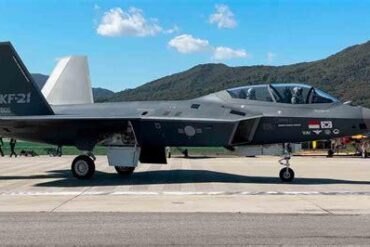
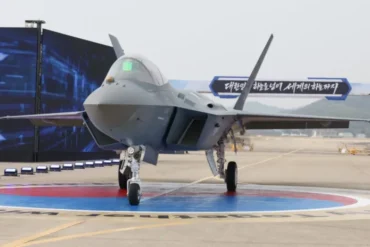
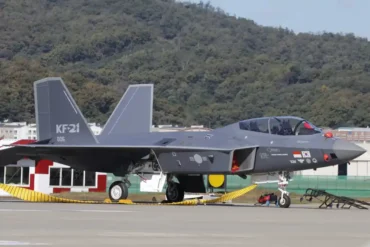
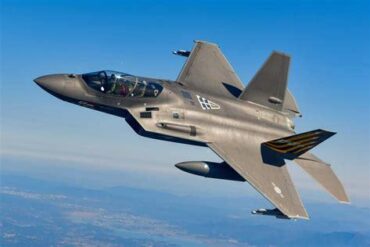
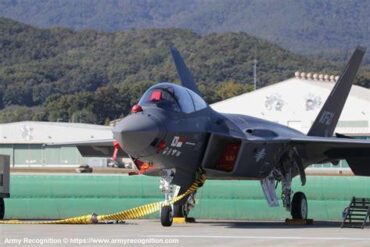
It is within this shifting timeline that the KF-21 Boramae emerges as a compelling option. Developed by KAI for the Republic of Korea Air Force (ROKAF), the KF-21 is intended to form the backbone of South Korea’s future fighter force, operating alongside the FA-50 and complementing the F-35. For Malaysia, which is already integrating the FA-50M, this common industrial lineage offers potential advantages in logistics, training synergies, and long-term cooperation.
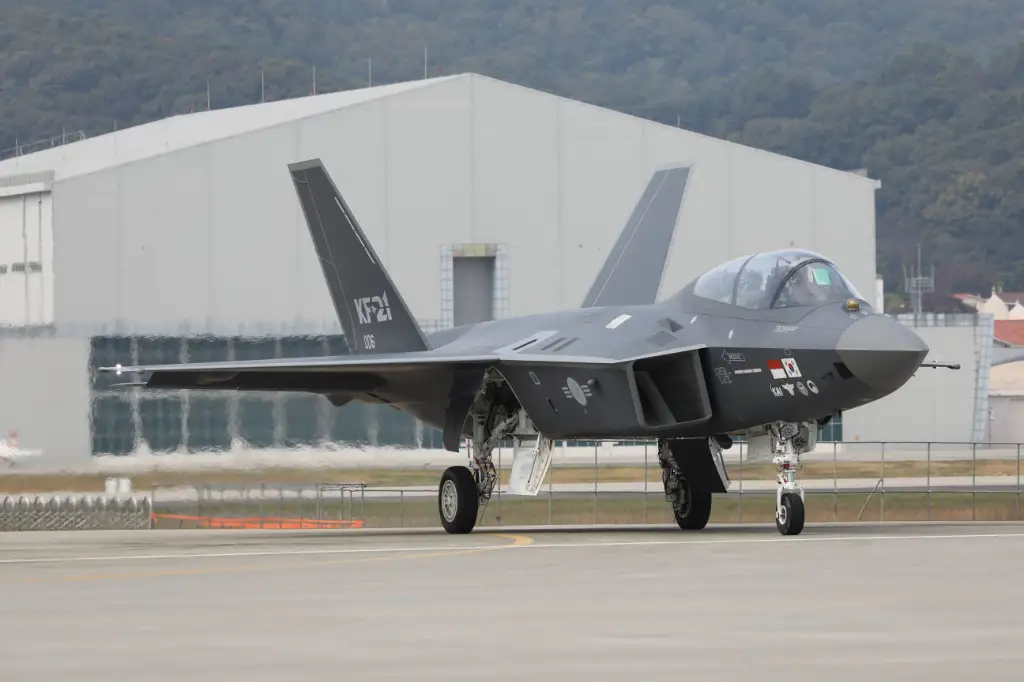
The KF-21 program is progressing toward initial operational deployment, with 40 Block 1 aircraft scheduled for delivery to the ROKAF beginning in 2026. These early variants focus primarily on air-to-air missions, establishing the platform’s core performance envelope. Export opportunities are expected to follow domestic deliveries, placing Malaysia’s potential acquisition firmly in the post-2026 timeframe.
Crucially, the KF-21’s appeal lies in its evolutionary roadmap. Later variants, commonly referred to as Block 2 and Block 3, are expected to incorporate enhanced strike capabilities, improved sensor fusion, and progressively lower observable characteristics. Block 3, in particular, is associated with features approaching fifth-generation standards, including an internal weapons bay and more advanced avionics integration. For Malaysia, this staged development aligns well with MRCA’s long-term horizon, allowing capability to mature alongside operational requirements.
At the current stage, discussions between Malaysia and KAI remain exploratory, centered on timing, configuration options, and alignment with MRCA objectives. Key variables include final unit cost, weapons integration compatibility, and the extent of industrial participation Malaysia might seek. None of these parameters have been defined, reflecting the preliminary nature of the engagement. What is clear, however, is that the KF-21 is being evaluated not as an emergency purchase, but as a strategic candidate for long-term force regeneration.
The broader implication of these talks is a shift in how Malaysia views its air power future. Rather than relying on aging surplus platforms to bridge gaps, Kuala Lumpur is increasingly weighing the benefits of committing earlier to a next-generation fighter ecosystem. This approach carries financial and political challenges, but it also promises greater coherence in force structure, training, and sustainment over the coming decades.
Ultimately, Malaysia’s exploration of the KF-21 Boramae reflects a deeper recalibration driven by hard timelines. With Hornet retirement looming in 2035 and Su-30MKM withdrawal expected around 2040, the margin for delay is narrowing. The fate of the Kuwaiti Hornets has highlighted the risks of overreliance on interim solutions, pushing MRCA considerations forward. Whether the KF-21 becomes Malaysia’s next frontline fighter remains uncertain, but its emergence in these discussions signals that the RMAF is actively seeking a durable, future-oriented answer to its looming air combat challenge.