The aviation world is watching closely as Tata Group prepares to install a new leader at the helm of Air India. The successor to Campbell Wilson, who took over in July 2022, will be immediately thrust into two of the airline’s most critical crises: an underperforming fleet transformation program and a safety culture under severe scrutiny following last year’s tragic Flight 171 accident. These dual challenges will not only define the early legacy of the new CEO but also determine whether Air India can truly transform into a world-class airline.
Fleet Transformation Gridlocked by Delays
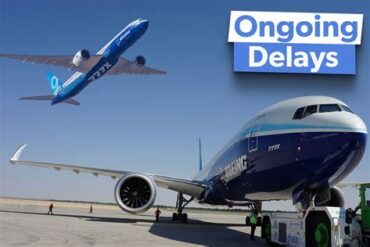
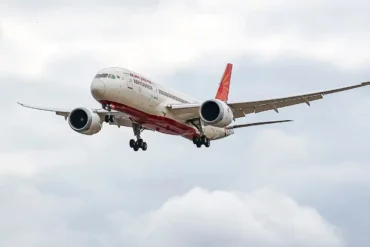
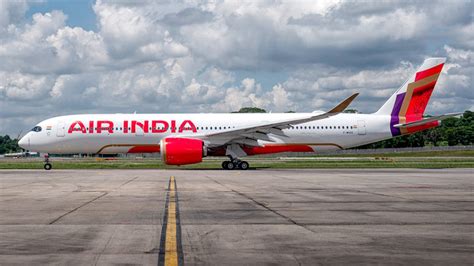
The headline-grabbing 2023 and 2024 aircraft orders—totaling an eye-watering 570 planes from Airbus and Boeing—were intended to be the engine of Air India’s rebirth. It was a statement of ambition. Yet, the reality on the tarmac tells a very different story. Over 92% of the aircraft are still undelivered, with only 46 planes having arrived so far.
The delays are driven by a perfect storm of global supply chain disruptions, production backlogs, and a lack of visibility into clear delivery timelines. While the intent behind these purchases was to modernize and standardize the fleet—thereby elevating passenger experience and operational efficiency—the slow execution has shackled the airline’s momentum.
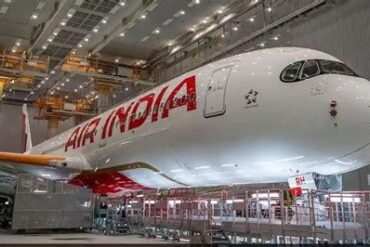
Under Wilson’s five-year transformation blueprint, the international fleet was to be substantially upgraded by the end of 2026, with 81% of flights operated by newly refurbished or freshly delivered wide-body aircraft. That vision, though promising on paper, is in jeopardy unless the incoming CEO can re-negotiate, expedite, or re-prioritize delivery pipelines. Without an upgraded fleet, brand repositioning efforts will continue to ring hollow.
The Fallout From the AI171 Crash: A Safety Culture Crisis
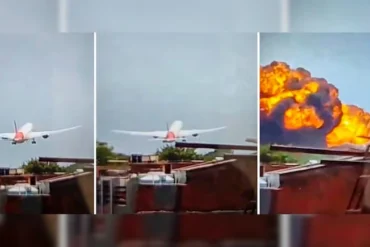
More urgent, and perhaps more damaging to public trust, is the deteriorating operational safety culture within Air India. Since the fatal Flight 171 crash in June 2025, which claimed 260 lives, the Directorate General of Civil Aviation (DGCA) has intensified its scrutiny of the airline’s compliance standards. What they’ve uncovered paints a troubling picture.
Aircraft have been found flying without proper emergency equipment checks. Maintenance logs were discovered to be forged. Some planes took off despite being overdue for mandatory engine part replacements. On more than one occasion, pilots were either found violating licensing protocols or even intoxicated prior to flights. Internal lapses also include aircraft with broken seating, non-functional in-flight entertainment systems, and even pest infestations.
This isn’t merely a matter of technical oversight—it reflects systemic organizational dysfunction. Crew management has been riddled with issues like crew fatigue, poorly managed schedules, and a lack of enforcement of accountability at critical levels. Regulatory confidence in the current executive leadership has collapsed to the point where government officials are bypassing the CEO altogether, opting instead to liaise directly with Tata’s top brass.
Campbell Wilson’s Tenure: A Mixed Bag of Results
When Wilson assumed the CEO role, his track record at Singapore Airlines and Scoot came with high expectations. The early days were marked by optimism, and some achievements—such as the Vistara merger—demonstrated strategic clarity. Yet, the core transformation metrics—fleet modernization, passenger experience, and safety integrity—have not met internal or public expectations.
In recent months, Wilson’s grip on the airline appears to have weakened. Despite his forward-looking comments about the aircraft refurbishment program and its customer impact, there is a sense that the execution gap has widened beyond repair. According to reports, Tata Group Chairman Natarajan Chandrasekaran has grown “impatient” with the lack of tangible progress, initiating informal dialogues with potential successors from international carriers based in the UK and US.
Day One Challenges for the New CEO
From the moment the new CEO steps into office, two towering mountains will demand immediate ascent:
First, the fleet transformation impasse requires immediate executive intervention, not just with manufacturers, but also in internal readiness. Aircraft deliveries are only one part of the equation. The airline must also ensure that crew training, maintenance infrastructure, and route optimization plans are in place to fully capitalize on the incoming aircraft. This means reworking vendor contracts, unlocking bottlenecks in engineering workflows, and establishing stronger SLA enforcement with OEMs.
Second, the operational and safety culture must undergo a deep overhaul. This includes the installation of a zero-tolerance policy toward compliance violations, systemic investment in digital maintenance records, and immediate onboarding of safety experts from globally respected carriers. Empowering a robust internal audit mechanism, backed by whistleblower protections and transparent metrics, will be key to regaining regulatory trust.
The new CEO must also rebuild morale and internal trust. Pilots, ground crew, and middle management have grown disillusioned amid the turbulence. A transparent, performance-driven culture with clear expectations and recognition structures will be essential to reignite employee alignment with the company’s transformation goals.
Why Timing Is Everything
This leadership transition is happening at a moment when Indian aviation is experiencing record growth, with surging demand for both domestic and international travel. Competitors such as IndiGo, Akasa Air, and even foreign carriers are expanding aggressively into Air India’s core routes. Delays or missteps now will only erode its strategic positioning further.
Adding urgency to this moment is the recent rise in customer dissatisfaction, largely driven by aging aircraft, frequent delays, and safety concerns. Social media backlash and media scrutiny have become relentless. Without decisive action, Air India risks being perceived not just as an airline in trouble—but as one incapable of change.
The Stakes Could Not Be Higher
Tata Group’s ambitions for Air India were never small. The historic acquisition of the airline signaled an intent to restore national pride and create a global competitor capable of rivalling Emirates, Qatar Airways, and Singapore Airlines. But ambition without execution invites scrutiny.
The new CEO will have to operate in a compressed time frame, against rising expectations, and under direct oversight from Tata Sons. Their first 100 days could define not only Air India’s immediate trajectory but potentially its very survival as a viable, trusted brand in global aviation.
For all the headlines about aircraft orders and CEO searches, what’s really at stake is public confidence—in a brand, in a flag carrier, and in a vision that has yet to be fulfilled. The new CEO’s mission isn’t just to lead—it’s to restore faith in one of India’s most iconic institutions.