When choosing between Delta Air Lines, American Airlines, and United Airlines, travelers are often caught in a tug-of-war between comfort, cost, and convenience. Each of these three legacy carriers commands a vast domestic and international network, but they are not created equal—especially when viewed through the lens of wallet-conscious travelers. While route specifics, timing, and loyalty programs play a role, this detailed analysis distills what truly separates these giants when it comes to value for money.
Delta Air Lines Sets the Benchmark in Comfort and Rankings
As the most highly ranked U.S. carrier globally, Delta stands out on international rating platforms. Skytrax, the prestigious airline ranking system, places Delta 21st worldwide, well ahead of its American rivals. United trails in 42nd place, while American languishes at 78th. Despite all three airlines carrying a 3-star Skytrax rating, Delta’s reputation for reliable service and onboard comfort gives it a clear competitive edge.
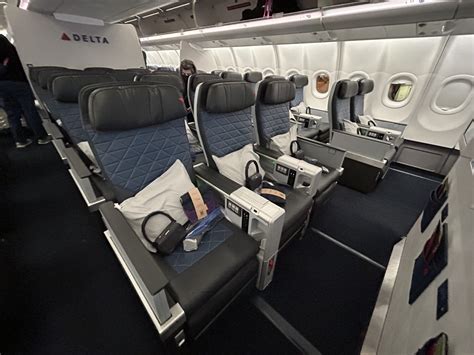
Adding further credibility, AirlineRatings.com—an aviation safety and product rating site—ranks Delta above United and American in its hybrid carrier category. Here, Delta consistently outperforms in terms of safety, cabin experience, and fleet modernization, thanks in part to its younger aircraft and industry-leading operational reliability.
Economy Seat Pitch: Inches That Make a Difference
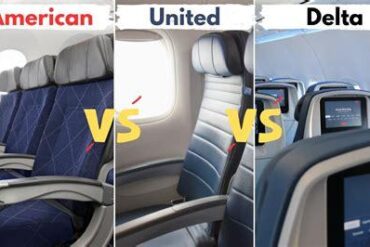
For travelers on a budget, seat pitch—the amount of legroom in economy—is one of the most immediate indicators of comfort. Delta averages 31.0 inches, giving passengers more breathing space than American’s 30.2 inches and United’s 30.1 inches. It’s a marginal difference, but one that’s especially felt on longer domestic routes.
Delta’s advantage extends to aircraft configuration, particularly with the Airbus A321neo and Boeing 737-800. These are staples in the narrowbody fleets of all three carriers:
- Delta A321neo: 194 seats | 737-800: 160 seats
- United A321neo: 200 seats | 737-800: 166 seats
- American A321neo: 196 seats | 737-800: 172 seats
Fewer seats per plane usually translates to more space and reduced crowding. Delta configures its aircraft with lower seating density, reinforcing its edge in comfort.
What About the Fares? American Airlines Wins—But With Asterisks
Cirium’s 2022 fare analysis sheds light on average ticket pricing. At $282, American offered the lowest average fare, just under Delta’s $295 and significantly below United’s $330. However, this data needs context.
United’s longer average route distance of 1,495 miles explains its higher fare, compared to Delta’s 1,172 and American’s 1,094. This makes Delta’s slightly higher fare per mile more competitive, especially when factoring in service and comfort.
On individual high-demand routes like New York to Los Angeles, American surprisingly charged $521 on average—more than Delta ($439) and United ($360). Yet Delta topped the charts on the LAX to Tokyo leg, and United was most expensive on transatlantic flights to London.
Baggage Fees and Cabin Perks
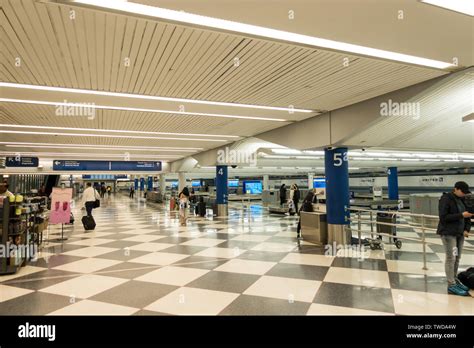
Every dollar counts when flying basic economy. This is where Delta distinguishes itself further. Unlike United, Delta allows basic economy passengers to bring a free carry-on bag. United charges $35 for the privilege unless the passenger upgrades to a higher fare class or has elite status.
American aligns more closely with Delta on this front, offering free carry-on for basic economy passengers. However, all three airlines charge similar fees for checked baggage:
- Delta & American: $35 for first checked bag (domestic)
- United: Typically $40 for domestic flights
Delta adds value with its baggage delay policy, crediting passengers with 2,500 SkyMiles if their luggage doesn’t arrive at the carousel within 20 minutes. It’s one of the most generous delay compensations among U.S. carriers—only Alaska Airlines surpasses it with either a $25 travel voucher or equivalent miles.
Fleet Quality: Newer Planes Mean Better Experience
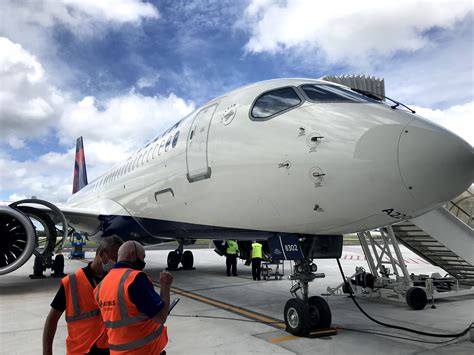
A key component of passenger satisfaction is the aircraft type. Across their massive fleets of approximately 1,000 mainline aircraft each, these carriers mix new and old equipment. Delta leads in narrowbody modernization, flying the largest fleet of the Airbus A220, a jet praised for its quiet cabin, large windows, and superior overhead bin space. It’s often referred to as a “mini widebody” for its roomy feel.
American and United counter with newer models like the A321neo and Boeing 737 MAX, but Delta’s strategic use of the A220, alongside refreshed interiors on older planes, gives it a notable edge in short- to medium-haul comfort.
In the widebody segment:
- Delta: Airbus A330neo, A350, some aging 767s
- United: Boeing 787 Dreamliner, A350 (limited), older 767s
- American: Boeing 787 Dreamliner, older 777-200ER and 777-300ER
United and American boast the 787 Dreamliner, with large windows and enhanced humidity for improved passenger comfort. But Delta’s A350s and A330neos are far from outdated and deliver a refined long-haul experience with modern amenities and quiet, spacious cabins.
Wi-Fi, Snacks & Loyalty: The Hidden Costs of Value
Delta scores again in onboard experience: it offers free Wi-Fi on most domestic flights—a benefit United is set to match for MileagePlus members in the near future, while American will follow suit in 2026. In-flight refreshments are comparable across the board, with complimentary snacks and soft drinks available on most flights.
In terms of frequent flyer programs:
- Delta SkyMiles members can earn on all fare classes except basic economy.
- United MileagePlus and American AAdvantage allow accruals even in lower fare buckets, depending on booking channel and elite status.
The nuance lies in redemption value. SkyMiles are known for dynamic pricing that can dilute point value, but Delta’s generous delay policies and operational consistency often make up for this.
The Final Verdict: Value Lies in the Details
Choosing the best U.S. carrier for your wallet depends heavily on the balance between cost and comfort. If you’re only hunting for the lowest base fare, American Airlines often wins out, especially on shorter domestic routes. But those savings can evaporate quickly when factoring in route-specific pricing, baggage fees, and aircraft comfort.
United Airlines fares worse in overall rankings and customer experience but can shine on specific international routes, particularly with its modern Dreamliner fleet. However, the airline’s strict carry-on policy for basic economy can sour an otherwise competitive offering.
Delta Air Lines, while not always the cheapest, arguably offers the most consistent value proposition: better seat pitch, a younger fleet of narrowbody jets, a strong showing in international ratings, and generous passenger policies. For travelers who prioritize comfort, reliability, and onboard experience, the slight premium may be worth paying.
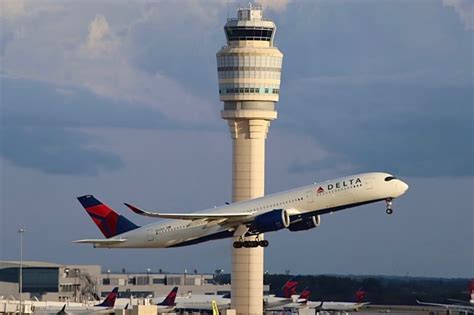
In 2025, for those balancing comfort with cost, Delta emerges as the strongest contender for your wallet—even if not the cheapest, often the smartest choice.