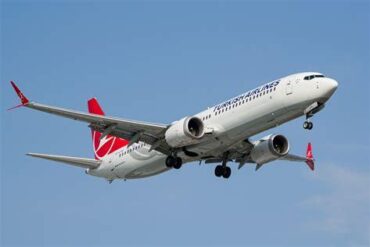
Australia’s geography has always shaped its aviation industry in remarkable ways. Separated from most of the world’s major population centers by vast oceans, the country depends on air travel more than almost any other developed nation. While ultra-long-haul flights aboard widebody aircraft often dominate headlines, another trend has quietly transformed international connectivity: the growing use of the Boeing 737 MAX 8 on routes once considered too lengthy for narrowbody aircraft.
Modern engine technology, aerodynamic improvements, and increased fuel efficiency have allowed airlines to deploy the 737 MAX 8 on flights approaching seven hours. Throughout 2026, carriers across the Asia-Pacific region continue expanding these operations, connecting Australia with Southeast Asia, the South Pacific, and southern China while reducing operating costs and increasing scheduling flexibility.
These services demonstrate that today’s narrowbody aircraft are capable of serving markets that previously required much larger jets, offering airlines an opportunity to match capacity more precisely with passenger demand.
Why the Boeing 737 MAX 8 Has Become Ideal for Long-Haul Narrowbody Flights
The latest generation of narrowbody aircraft has significantly changed airline route planning. Compared with earlier Boeing 737 variants, the 737 MAX 8 delivers greater range, lower fuel consumption, quieter operations, and improved economics.
For airlines serving Australia, these improvements are especially valuable. Many international routes attract steady demand without generating enough passengers to justify daily widebody service. Operating a smaller yet highly efficient aircraft allows airlines to maintain nonstop connectivity while improving profitability.
Passengers also benefit from more direct flights between secondary cities and international destinations, reducing the need for inconvenient connections through larger hubs.
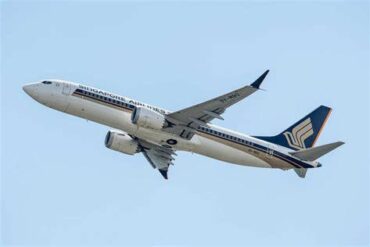
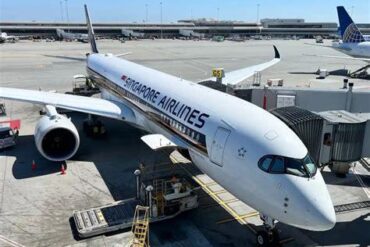
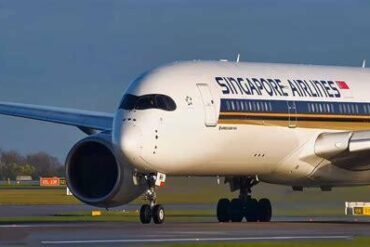
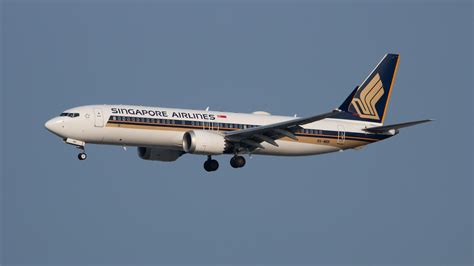
Singapore Airlines Operates Australia’s Longest International 737 MAX 8 Flight
Singapore remains Australia’s most important international aviation gateway, and Singapore Airlines continues to strengthen that relationship through a diverse fleet deployment strategy.
Although the airline primarily uses widebody aircraft on services to Sydney, Melbourne, Brisbane and Perth, flights to northern Australia frequently utilize the 737 MAX 8.
Its nonstop route between Singapore Changi Airport and Cairns Airport stands as Australia’s longest scheduled international Boeing 737 MAX 8 operation in 2026, with a maximum block time of 6 hours 45 minutes.
The service plays a strategic role beyond tourism. Cairns serves as the primary gateway to Tropical North Queensland and the Great Barrier Reef while simultaneously connecting regional Australia to Singapore Airlines’ extensive global network spanning Europe, Asia, India and North America.
Bali Continues to Dominate Australia’s Leisure Market
Few international destinations enjoy stronger demand from Australian travelers than Bali. Year after year, Denpasar remains among the country’s busiest leisure destinations, attracting vacationers from nearly every major Australian city.
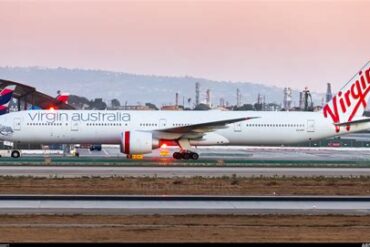
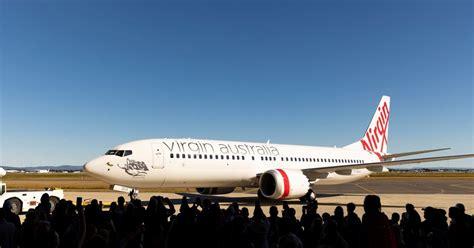
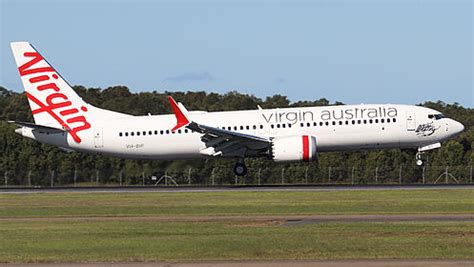
Virgin Australia has capitalized on this demand by deploying its Boeing 737 MAX 8 fleet across multiple nonstop Bali routes. Rather than concentrating operations exclusively on Australia’s largest metropolitan areas, the airline serves several cities directly, expanding travel options for passengers.
The longest of these services links Canberra with Denpasar, matching Singapore Airlines’ Cairns service with a maximum scheduled block time of 6 hours and 45 minutes. Sydney follows closely behind with an identical maximum flight duration, while Gold Coast, Brisbane and Melbourne also support substantial MAX operations into Bali.
Malaysian carrier Batik Air Malaysia complements this competitive market by operating its own Boeing 737 MAX 8 services from Sydney, Brisbane and Melbourne to Denpasar, reinforcing Bali’s position as Australia’s leading narrowbody international destination.
Australia’s Ten Longest Boeing 737 MAX 8 Routes in 2026
Based on scheduled maximum block times, the country’s longest Boeing 737 MAX 8 services include:
- 1. Singapore Airlines: Cairns – Singapore — 6h 45m
- 2. Virgin Australia: Canberra – Denpasar — 6h 45m
- 3. Virgin Australia: Sydney – Denpasar — 6h 45m
- 4. Virgin Australia: Gold Coast – Denpasar — 6h 40m
- 5. Fiji Airways: Nadi – Adelaide — 6h 35m
- 6. Virgin Australia / Batik Air Malaysia: Brisbane – Denpasar — 6h 35m
- 7. Batik Air Malaysia: Sydney – Denpasar — 6h 30m
- 8. China Southern Airlines: Guangzhou – Darwin — 6h 25m
- 9. Virgin Australia / Batik Air Malaysia: Melbourne – Denpasar — 6h 25m
- 10. Malaysia Airlines: Perth – Kuala Lumpur — 6h 10m
These routes illustrate how efficiently modern narrowbody aircraft now cover distances once reserved almost exclusively for twin-aisle jets.
Fiji Airways Uses the MAX 8 to Expand International Connectivity
Among the most interesting entries is Fiji Airways’ service between Nadi and Adelaide.
Rather than functioning solely as a point-to-point leisure route, this flight connects South Australia with Fiji Airways’ expanding international network across the South Pacific and North America. Travelers heading to destinations such as Los Angeles, Vancouver and other regional markets benefit from convenient one-stop itineraries through Nadi.
Operating the Boeing 737 MAX 8 enables Fiji Airways to maintain year-round service while matching capacity to market demand more effectively than a larger widebody aircraft.
China Southern Brings Narrowbody Innovation to Northern Australia
One of the newest additions to Australia’s international aviation landscape is China Southern Airlines’ Guangzhou–Darwin service.
The route is unique because it represents the airline’s only Australian destination operated by a narrowbody aircraft. Despite exceeding six hours in scheduled duration, the Boeing 737 MAX 8 performs the mission comfortably, demonstrating the aircraft’s impressive operational capabilities.
Darwin’s strategic location makes it Australia’s closest capital city to Asia, allowing airlines to establish economically viable routes using smaller aircraft while creating additional opportunities for tourism, business travel and regional trade.
Malaysia Airlines Strengthens Perth’s Asian Connections
Western Australia’s geographic position naturally favors direct links with Southeast Asia, and Malaysia Airlines continues leveraging this advantage through its Perth–Kuala Lumpur service.
With a maximum block time of approximately 6 hours 10 minutes, the route provides travelers with access not only to Malaysia but also to the airline’s wider network throughout Asia, the Middle East and Europe.
For Perth passengers, the Boeing 737 MAX 8 delivers an efficient combination of frequency, comfort and operational reliability while allowing the airline to optimize fleet utilization across its regional network.
A New Era for Long-Distance Narrowbody Flying
The expansion of Boeing 737 MAX 8 operations throughout Australia reflects broader changes in global aviation. Airlines increasingly prioritize flexibility, efficiency and route diversity over simply deploying the largest possible aircraft.
Instead of relying exclusively on widebody fleets, carriers can now serve secondary cities directly, launch thinner international routes, and increase flight frequencies while maintaining sustainable operating costs.
For travelers, these developments translate into more nonstop destinations, shorter total journey times and improved network connectivity. Whether flying from Cairns to Singapore, Canberra to Bali, Adelaide to Fiji or Darwin to Guangzhou, passengers are experiencing firsthand how advances in aircraft technology have redefined what is possible for modern narrowbody aviation.
As airlines continue refining their international strategies throughout 2026, Australia’s longest Boeing 737 MAX 8 routes stand as compelling examples of how innovation continues reshaping long-distance air travel across the Asia-Pacific region.