In the intensely competitive skies of global premium air travel, a silent player is making strategic, calculated moves. American Airlines, the world’s largest carrier by fleet size, is rewriting its approach to luxury in the air. While Air Canada, Air France, Delta Air Lines, United Airlines, and Virgin Atlantic amplify their innovations through glossy media campaigns, American Airlines is reshaping its premium experience with quiet confidence, focusing not on slogans, but on substance.
American Airlines Redefines Premium Travel Through Subtle Excellence
Unlike its rivals who loudly showcase new suites and AI-powered amenities, American Airlines chooses subtlety. Yet, this approach hides transformative changes that insiders now recognize as competitive threats to the so-called industry leaders. From next-generation business class Flagship Suites to high-speed WiFi and revitalized Admirals Clubs, American’s transformation spans every customer touchpoint.
The strategy is clear: prioritize the journey over the announcement. However, this understated approach risks keeping potential premium travelers unaware of American’s competitive advantages.
Next-Gen Flagship Suites Signal a Paradigm Shift
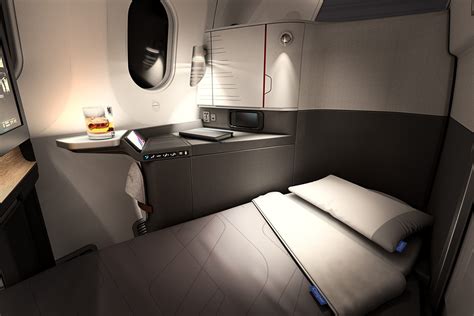
American Airlines’ new business class suites, known as the Flagship Suite, are now flying on its Boeing 787-9 fleet. Featuring privacy doors, chaise lounges, and wireless charging stations, these suites offer a flying experience designed around autonomy and comfort. Unlike its competitors, American’s rollout strategy prioritizes long-haul international routes where such premium differentiation matters most.
Yet, inconsistency remains. Older Boeing 787-8 and 777-200ER aircraft still operate with outdated cabins, diluting American’s premium brand image. Competitors like Delta’s Delta One Suites and United’s Polaris Studios offer greater network consistency—a challenge American must urgently address.
WiFi That Delivers Gate-to-Gate Connectivity
In an era where digital connectivity shapes the travel experience, American Airlines has quietly outpaced many global competitors. Its high-speed WiFi, operational across most mainline and regional aircraft, offers seamless streaming and productivity at 35,000 feet. Unlike United, still deploying Starlink, or Air Canada, whose WiFi remains patchy, American’s connected fleet is already operational.
Yet, this advantage remains largely unpromoted. Frequent flyers often miss this key differentiator, resulting in an opportunity cost for the airline.
Admirals Clubs See a Quiet Renaissance
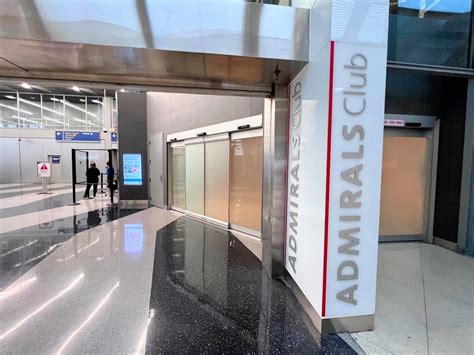
Lounges, once the neglected element of American’s premium journey, are undergoing extensive transformations. The Admirals Club in Ronald Reagan Washington National Airport (DCA) now exemplifies contemporary luxury, blending minimalist aesthetics with premium dining and upgraded seating areas. Lounges in Philadelphia and Austin follow suit.
But, unlike Delta’s Sky Clubs, which dominate marketing narratives, American’s lounge upgrades remain hidden gems, known only to those who stumble upon them.
The Global Premium Travel Arms Race: Competitors Set Bold Benchmarks
While American Airlines refines its product quietly, global rivals wage an open battle for luxury supremacy. Across North America and Europe, premium products are evolving beyond better seats into full-scale immersive experiences.
- Air Canada focuses on fleetwide consistency with its Signature Class and premium economy offerings, backed by visible marketing.
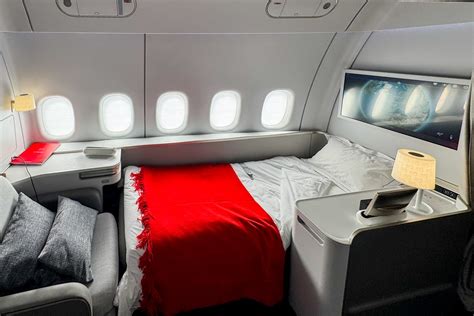
- Air France’s La Première creates ultra-private suites resembling Parisian apartments.
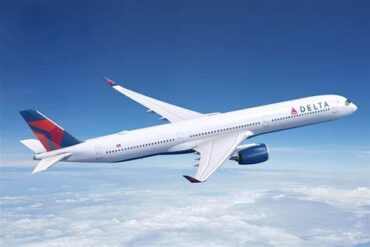
- Delta Air Lines’ Delta One Suites have become synonymous with U.S. premium travel leadership, widely marketed and consistently implemented.
- United Airlines’ Polaris Studios and upcoming first-class revival showcase the brand’s tech-forward vision.
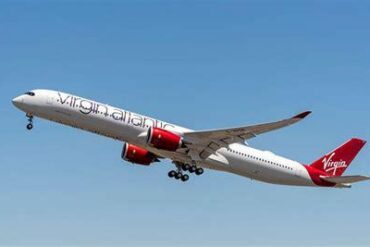
- Virgin Atlantic, meanwhile, blends British flair with free WiFi and AI concierge services to redefine mid-air personalization.
These competitors understand that visibility drives perception—a lesson American Airlines has yet to fully embrace.
First Class: From Product to Experience
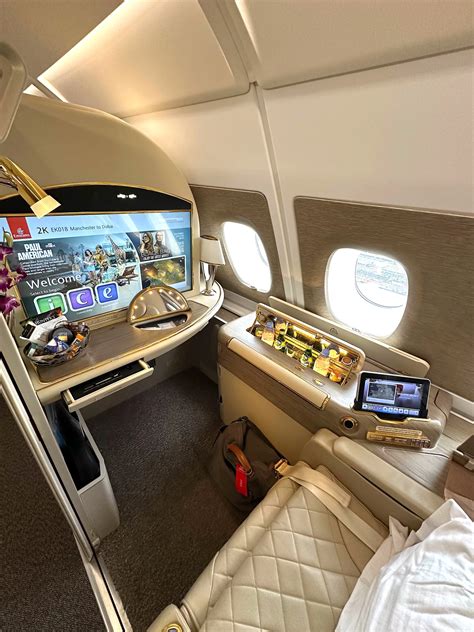
Across legacy carriers, first-class cabins are shifting from luxury afterthoughts to focal points of experiential marketing. Emirates leads with onboard spas and personal suites; Qatar Airways’ QSuite redefines flexibility with modular seating arrangements. Even United’s forthcoming first-class initiative seeks to combine exclusivity with technological sophistication.
American Airlines, however, remains largely absent from this realm, focusing instead on elevating business class offerings as its flagship premium experience.
Premium Economy: The New Battlefield
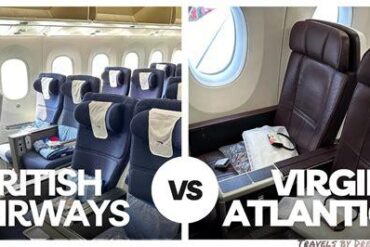
What was once a compromise cabin now defines modern travel aspirations. Premium economy is growing globally, balancing affordability with comfort. Virgin Atlantic dominates this segment, while Delta Premium Select and Air Canada Premium Economy attract discerning leisure and business travelers alike.
American Airlines’ premium economy offers comfortable seating and enhanced service, yet inconsistent retrofits prevent it from establishing a firm market position. Without fleetwide consistency, American risks missing out on this lucrative middle-ground market.
Wellness and Technology Now Define Luxury
Well-being and tech are no longer perks—they are pillars of premium travel. Airlines like Singapore Airlines and Qatar Airways integrate circadian lighting and AI-powered services to reduce jet lag and personalize journeys. Virgin Atlantic’s free WiFi and virtual concierge exemplify how digital infrastructure is now inseparable from luxury branding.
American Airlines has an operational edge with its extensive WiFi network, yet fails to tell this story effectively, leaving competitors to claim leadership in tech innovation.
Design As Brand DNA: Emotional Storytelling Through Aesthetics
Cabin design has become a language of brand storytelling:
- Emirates uses gold finishes to exude opulence.
- Japan Airlines embraces minimalism to convey serenity.
- Turkish Airlines weaves Ottoman aesthetics into its cabins.
American Airlines, however, lacks a distinctive design language that communicates its cultural DNA. Without it, the brand risks becoming forgettable amidst competitors that evoke emotional connections through aesthetics.
Emotional Resonance Over Status: The Future of Premium Travel
The future of premium in-flight experience will pivot from hierarchical status symbols to emotional resonance. Travelers seek cabins that adapt to their mood, meals aligned with their circadian rhythms, and AI that anticipates preferences across journeys.
American Airlines, unless it reorients its strategy towards emotional storytelling and personalization, may find itself outpaced—not in product, but in perception.
Brand Communication: American’s Silent Battle Against Itself
Delta and United dominate perception management with relentless, cohesive storytelling. American, despite substantial physical upgrades, lacks this narrative consistency. Straddling between cost-efficiency and premium aspirations creates internal and external confusion.
Passengers onboard American’s Flagship Suite or connected via its superior WiFi often express surprise—an indicator that upgrades are tangible yet hidden. In today’s perception-driven market, this is a competitive liability.
Conclusion: Substance Alone Isn’t Enough
American Airlines is no longer trailing in the premium race—it is competing head-to-head on product. But without effective communication, consistent design language, and emotional branding, its upgrades risk being unnoticed.
As premium air travel becomes an emotional experience defined by personalization, wellness, and seamless connectivity, American Airlines must learn to tell its story—or continue watching its quieter successes go unrecognized.
In a market where rivals shout their victories, American Airlines can no longer afford to whisper.