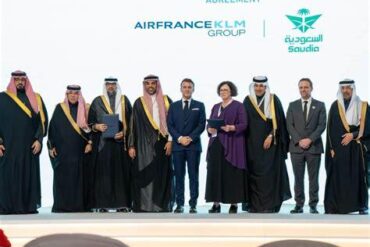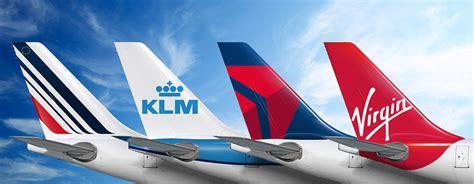
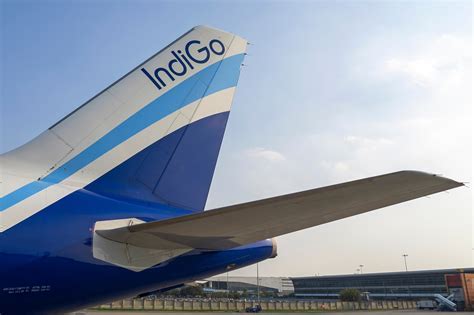
India’s aviation landscape has entered a pivotal new phase with the announcement of a landmark partnership between IndiGo, Delta Air Lines, Air France-KLM, and Virgin Atlantic. Revealed at the IATA Annual General Meeting in Delhi, this alliance lays the groundwork for a transcontinental aviation network aimed at connecting India, Europe, and North America through an integrated strategy that could rival the dominance of Star Alliance carriers in the region.
A Historic Collaboration Rooted in Strategic Alignment
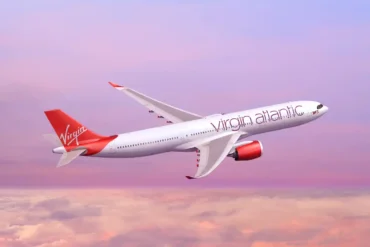
This unprecedented partnership doesn’t form out of thin air. It builds on existing bilateral relationships IndiGo already has with Air France-KLM and Virgin Atlantic. What is truly new—and significant—is the inclusion of Delta, and more importantly, the formalization of a unified SkyTeam-aligned joint venture. Delta, Air France-KLM, and Virgin Atlantic have long cooperated as a cohesive force across the transatlantic market. Delta owns equity in both Air France-KLM and Virgin Atlantic, ensuring deep operational and commercial integration.
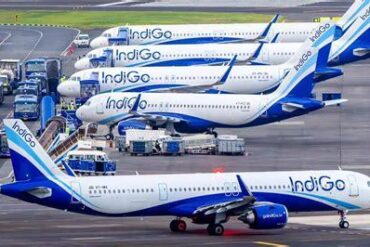
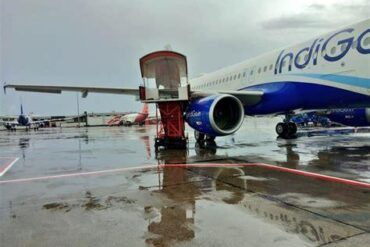
IndiGo, on the other hand, has traditionally dominated the domestic Indian market, focusing on short-haul and regional routes. The airline operates over 350 aircraft and commands a major share of India’s bustling internal air traffic. However, recent moves to acquire widebody aircraft, including wet-leased Boeing 787s from Norse Atlantic and future deliveries of Airbus A350s, clearly signal a shift in strategy. IndiGo is no longer just India’s low-cost juggernaut; it’s becoming a global player.
Connecting Continents: Structure and Strategy
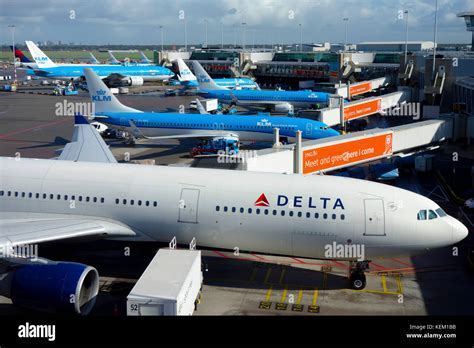
At the heart of the partnership lies a code-sharing framework. Once regulatory approvals are secured, IndiGo will begin selling international partner flights under its own 6E marketing code, seamlessly integrating domestic and international itineraries. Passengers flying from tier-2 and tier-3 cities in India will now have one-stop access to destinations across Europe and North America via key hubs like Amsterdam, Paris, London Heathrow, and Manchester.
This alliance will empower passengers to access:
- KLM flights from Amsterdam to 30+ European cities
- Delta and KLM flights from Amsterdam to major cities in the U.S. and Canada
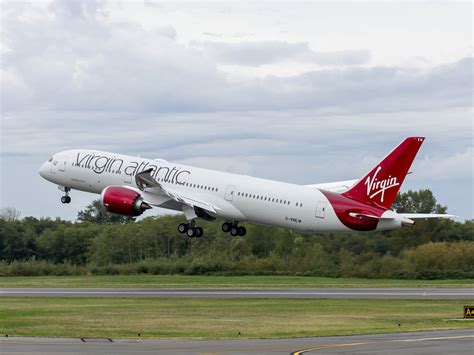
- Virgin Atlantic flights from Manchester to the United States
India’s Global Role Is Finally Being Realized
India has long been seen as an aviation market brimming with potential, yet one that was chronically under-leveraged in the global airline game. For years, Air India—hampered by government control and aging infrastructure—was India’s only long-haul carrier. Even though United Airlines operates the most nonstop services between the U.S. and India, its relationship with Air India has been tepid at best. Notably, United preferred Vistara as a partner before the latter merged with Air India. The lack of a reliable Indian partner limited cooperation across the board.
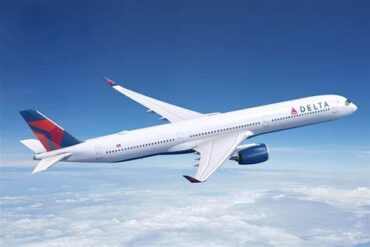
Now, that is changing. IndiGo’s fleet growth, brand scale, and international ambitions allow it to offer what Air India never consistently could: reliable, modern, and scalable feed into India’s cities. Delta’s forthcoming Atlanta–Delhi service, likely to launch aboard Airbus A350s capable of operating under Russian airspace restrictions, will be a litmus test of how effective this new global strategy will become.
The SkyTeam Footprint Expands in South Asia
While IndiGo isn’t a SkyTeam member, the new joint strategy certainly serves SkyTeam interests. By leveraging IndiGo’s vast reach across India, SkyTeam carriers now possess a competitive response to the Star Alliance domination in the region led by Air India and United. The alignment could fundamentally shift how passenger traffic from North America to India is routed, especially as Amsterdam, Paris, and London become central waypoints.
Beyond codesharing, the deal is designed to deepen multilateral cooperation across a range of domains:
- Network planning for long-haul expansion
- Loyalty programs and points redemption integration
- Cargo collaboration to boost revenue from India’s export-heavy economy
- Joint sustainability efforts, including SAF procurement and carbon offset schemes
- Shared training facilities and ground handling services
IndiGo’s Competitive Leverage: Cost and Capacity
What gives this new alliance a unique edge is IndiGo’s ultra-efficient cost structure. The carrier’s expertise in low-cost operations has created a reputation for operational punctuality and profitability in a market notorious for its volatility. With international feed and better aircraft utilization, IndiGo can transform itself into a serious challenger not just for Indian rivals like Air India, but also for global carriers targeting Indian outbound traffic.
Moreover, this alliance gives SkyTeam partners access to a 350+ aircraft fleet capable of feeding long-haul departures from cities like Mumbai, Delhi, Hyderabad, Chennai, and Bengaluru—many of which have underserved international demand. This is especially significant as ME3 carriers (Emirates, Etihad, Qatar Airways) face increasing scrutiny from Indian authorities regarding bilateral agreements, potentially opening the door further for Western alliances.
American Airlines Left Out in the Cold?
It’s worth highlighting that American Airlines signed a codeshare agreement with IndiGo back in 2022, but that cooperation never grew into anything impactful. American lacks a clear India strategy, especially after repeatedly suspending and resuming India-bound services. As this new joint venture matures, it’s highly likely that IndiGo will prioritize SkyTeam-aligned partners, diminishing the importance of the American Airlines agreement.
This mirrors Delta’s broader strategic behavior: Delta has historically transformed partnerships from code-sharing to equity investments to full-blown JVs. While there’s currently no plan for Delta to acquire a stake in IndiGo, industry observers speculate that such a move could become feasible as IndiGo matures into a global long-haul operator.
Regulatory and Political Headwinds Remain
Despite the optimism, challenges remain. The Indian aviation regulatory ecosystem is notoriously complex and sometimes opaque. While the government has supported IndiGo’s growth, recent decisions—such as forcing IndiGo to abandon a Turkish wet lease—highlight the political sensitivities involved in international operations. Further, regulatory clearance will be required for deeper revenue-sharing arrangements and loyalty program integration.
Still, the partners are optimistic. Sources close to the deal expect all necessary approvals to be finalized by mid-2025, with full commercial integration by early 2026.
Setting a New Standard in Global Aviation Partnerships
This move is about more than just seat capacity. It reflects a geopolitical shift in airline cooperation patterns. For decades, European hubs served merely as layover points en route to India. Now, they are becoming essential nodes in an intercontinental web strategically engineered to capture India’s outbound and inbound traffic. With this partnership, IndiGo transforms from a domestic giant to a global facilitator, serving as the critical bridge between East and West.
In the coming months, all eyes will be on:
- The launch of direct Delta flights from Atlanta and possibly Boston and New York to Delhi and Mumbai
- The onboarding of IndiGo’s A350 fleet, setting the stage for long-haul independence
- The commercial rollout of integrated booking platforms, offering frictionless global itineraries
The aviation world has waited decades for India to truly rise as a global player. This partnership could very well mark the beginning of that ascent.