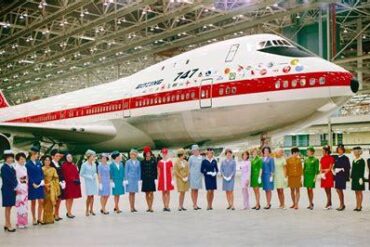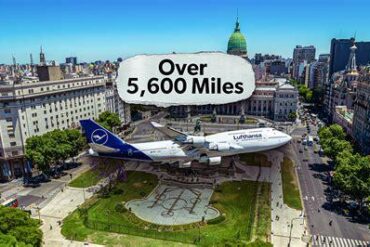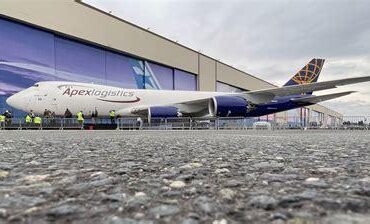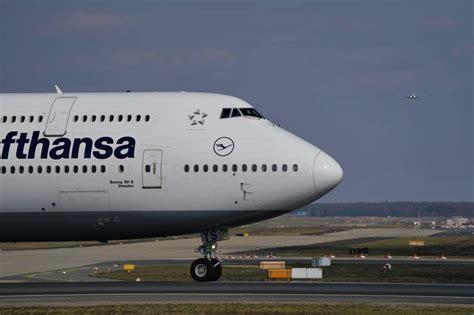
The Boeing 747 was never just an aircraft. It was a statement of scale, an engineering manifesto that reshaped how the world moved. When it entered service, it collapsed continents, democratized long-haul travel, and turned airports into global crossroads. For decades, the Queen of the Skies ruled routes that demanded enormous capacity, prestige, and reliability—routes where no other aircraft could compete.
Over the last 20 years, that dominance has quietly faded. Twin-engine widebodies, smarter networks, and rising fuel efficiency have rewritten airline economics. Yet the 747’s most popular routes remain a powerful record of where global demand once burned hottest. These corridors were not random; they reflected business gravity, political history, cultural exchange, and the sheer momentum of mass travel.
Cirium data from 2006 to 2026 reveals just how dramatic the change has been. Passenger Boeing 747 flights have fallen by 96%, with only a handful still operating into 2026. But before the decline, the aircraft connected more than 1,400 airport pairs across 120 countries, leaving an unmatched footprint in commercial aviation history.
Its ten busiest routes alone accounted for over one in seven of all passenger 747 flights worldwide during this period. These were the arteries of the jumbo jet era—routes where frequency was relentless and demand unforgiving.
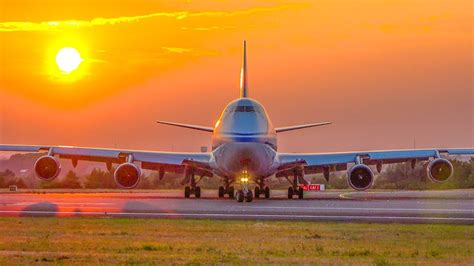
London Heathrow to New York JFK: The World’s Definitive Jumbo Jet Route
No route better defines the Boeing 747 than London Heathrow–New York JFK. With more than 66,000 round-trip services since 2006, it stands as the most heavily flown passenger 747 corridor in history. At its 2006 peak, travelers could choose from up to 11 daily 747 departures each way, a scale unimaginable today.
This route thrived on a perfect storm of factors: financial capital to financial capital, slot-restricted airports, and premium-heavy demand. British Airways, Virgin Atlantic, and Air India all deployed 747s here, with Air India’s fifth-freedom operations injecting aggressive pricing into one of the world’s most competitive markets. The jumbo’s upper deck became a symbol of transatlantic prestige until the final passenger 747 bowed out in 2020.
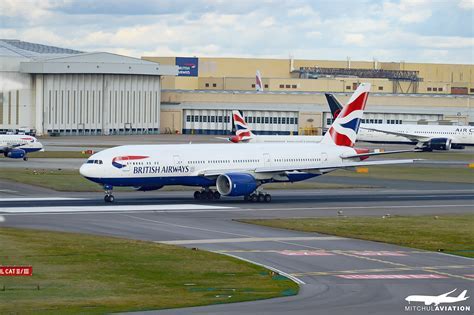
Japan’s Domestic Giants: When Short Routes Needed Jumbo Capacity
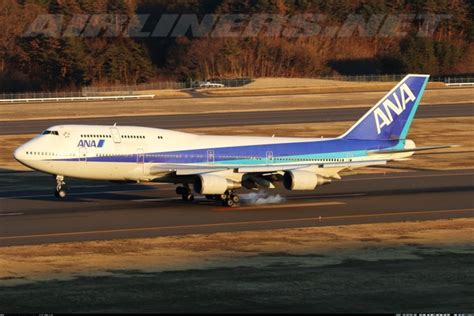
Japan occupies a unique place in 747 history. Routes such as Tokyo Haneda–Sapporo, Haneda–Okinawa, and Haneda–Fukuoka were among the most intensively flown jumbo corridors on Earth, despite being relatively short. On Haneda–Sapporo alone, more than 62,000 two-way 747 flights operated, primarily by ANA and Japan Airlines.
These routes existed because Japan’s domestic air travel volumes were staggering. High population density, limited rail alternatives for some regions, and slot constraints at Tokyo airports forced airlines to maximize seats per movement. The 747 was not oversized—it was necessary. By 2014, however, high-capacity twinjets took over, closing a remarkable domestic chapter in jumbo jet history.
Hong Kong to Taipei: A Political Detour Turned Aviation Powerhouse
Among the most fascinating 747 routes was Hong Kong–Taipei Taoyuan. Covering just 435 nautical miles, it became one of the world’s busiest widebody markets due to decades of political restrictions preventing direct mainland China–Taiwan flights. Hong Kong emerged as the indispensable intermediary.
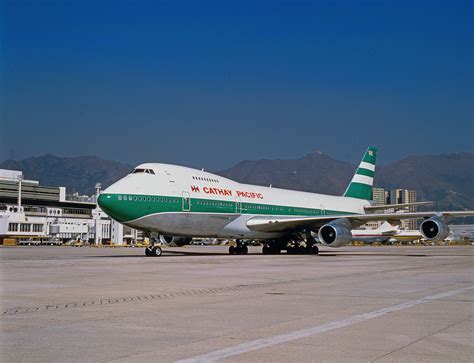
At its height, up to 17 daily 747 flights operated in each direction, flown by Cathay Pacific, China Airlines, EVA Air, and others. The sheer volume was astonishing, with millions of passengers annually. Even today, the route remains one of Asia’s busiest, proving that its historic demand was structural, not accidental.
Long-Haul Icons: Heathrow to Hong Kong and San Francisco
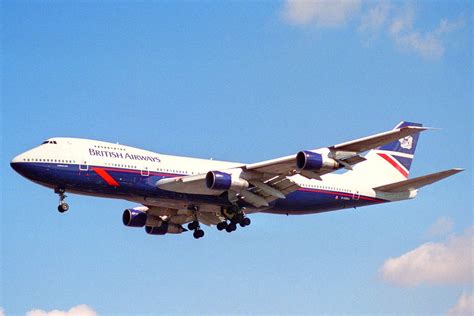
Beyond New York, Heathrow’s other great 747 routes were Hong Kong and San Francisco. London–Hong Kong alone recorded over 32,000 two-way flights, served by British Airways, Cathay Pacific, Qantas, and others. These ultra-long-haul missions showcased the 747’s endurance, payload capability, and passenger comfort over marathon distances.
Similarly, Heathrow–San Francisco became a technology corridor in the sky, linking Silicon Valley with Europe’s financial heart. Until 2020, the 747 remained a familiar sight on both routes, its disappearance marking the end of an era in intercontinental travel.
Transpacific and Southeast Asian High-Density Routes
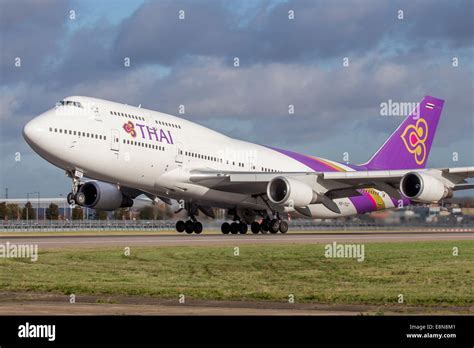
Routes such as Tokyo Narita–Honolulu and Narita–Taipei reflected Japan’s outbound leisure power, while Bangkok Suvarnabhumi–Phuket demonstrated how the 747 could dominate even leisure-heavy regional markets. Thai Airways and Orient Thai used the jumbo to absorb enormous seasonal flows, turning short domestic hops into widebody showcases.
These routes underline a critical truth: the 747 was not confined to prestige long-haul flying. It was a capacity weapon, deployed wherever demand overwhelmed infrastructure.
Seoul to Jeju: The Shortest Route Worthy of a Jumbo
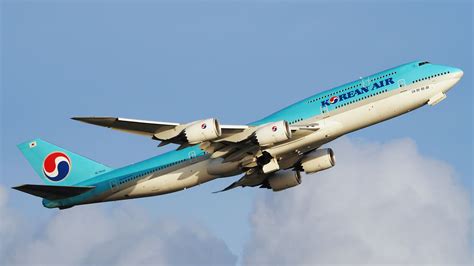
Perhaps the most surprising entry is Seoul–Jeju, a mere 243 nautical miles. Operated by Korean Air between 2011 and 2018, this route became the tenth most popular 747 corridor globally, with days seeing 15 jumbo flights each way.
Jeju’s role as South Korea’s vacation island, combined with the absence of alternative transport, made this density unavoidable. The 747’s presence here perfectly captures its essence: when demand was extreme, nothing moved people like the Queen of the Skies.
The Legacy of the Queen of the Skies
Today, the Boeing 747’s passenger reign has largely ended. Yet its most popular routes remain a map of how the world once traveled—where volume trumped efficiency and presence mattered as much as performance. These corridors were shaped by economics, politics, and human movement on a massive scale.
The Queen of the Skies did not simply serve these routes. It defined them.