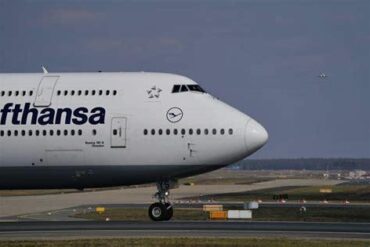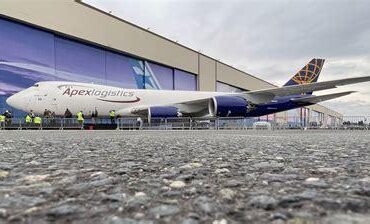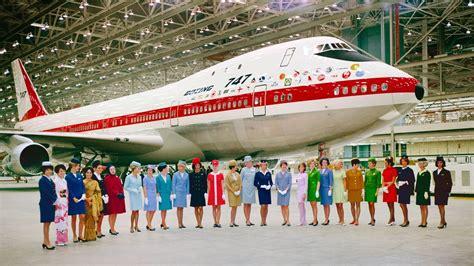
Once crowned the Queen of the Skies, the Boeing 747 revolutionized global air travel with its immense size, distinctive hump, and unmatched passenger capacity. While its legacy continues across Asia and Europe with the modern Boeing 747-8, its presence in United States passenger operations has been ceremoniously retired. The final chapter of this iconic aircraft’s commercial journey in the U.S. belonged to Delta Air Lines, culminating in a farewell that marked the end of an era in American aviation.
Delta’s Final Stint With the Boeing 747-400
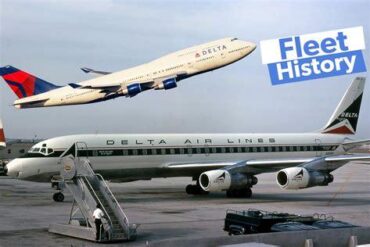
Delta Air Lines did not originally plan to operate the Boeing 747-400, but the aircraft found its way into Delta’s fleet after its 2009 merger with Northwest Airlines. The acquisition brought with it sixteen Boeing 747-400 aircraft, jets that had already proven themselves on intercontinental routes. These aircraft served Delta until December 19, 2017, when the final scheduled 747 flight—operated by aircraft N666US—departed Seoul Incheon International Airport (ICN) for Detroit Metropolitan Wayne County Airport (DTW).
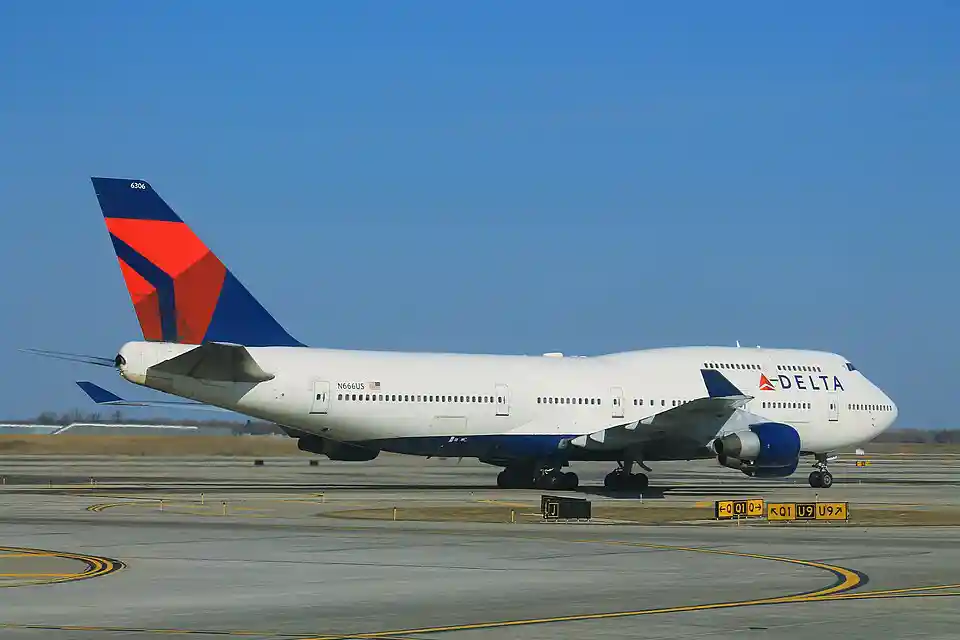
The jet, N666US, holds a special place in aviation history as the ninth 747-400 ever built. Delivered originally to Northwest in 1989, it amassed over 115,000 flight hours and more than 14,000 cycles across decades of service. This aircraft wasn’t just a symbol of engineering prowess—it was a flying record of aviation evolution.
Despite its grandeur, Delta’s 747 operations were relatively modest. With just sixteen jets in the fleet, the airline logged approximately 67,000 flights using the 747-400. For comparison, regional aircraft under Delta Connection performed more flights in a single year than Delta’s entire 747 fleet did in nearly a decade. The difference lies in mission: long-haul vs. high-frequency regional routes. Nonetheless, these aircraft were instrumental in cementing Delta’s trans-Pacific strategy.
Flying the Pacific: The 747’s Long-Haul Legacy
Delta’s Boeing 747-400 fleet primarily served trans-Pacific markets, inheriting a strategic network from Northwest Airlines. Central to this network was Tokyo Narita International Airport (NRT), which functioned as a mini-hub for Delta. Eight of Delta’s 14 busiest 747 routes included Narita, with the most frequent flight being from Tokyo Narita to Honolulu (HNL). The aircraft also operated flights to Manila, Detroit, and occasionally New York to Tel Aviv—routes where passenger demand justified the jet’s massive size.
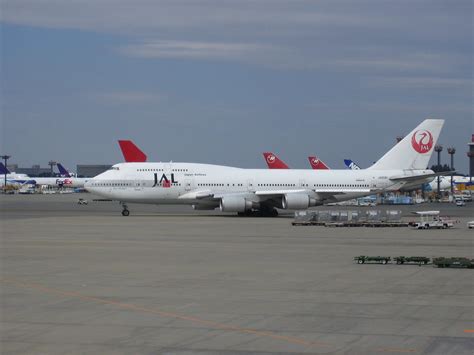
Occasionally, the 747s flew to Europe, serving key SkyTeam alliance hubs like Amsterdam Schiphol (AMS) and Paris Charles de Gaulle (CDG). These aircraft also appeared on domestic trunk routes, flying high-demand legs between Delta’s American hubs.
Though versatile, the aircraft’s high operational costs and maintenance complexity made it ill-suited for Delta’s evolving strategy. As twin-engine aircraft began offering similar range and capacity with significantly better fuel efficiency, the 747-400 became economically untenable.
The Cost of Grandeur: Why the 747 Had to Go
Despite the nostalgia and legacy, Delta was never fully invested in the 747-400. The aircraft came by circumstance, not strategy. Post-merger, Delta evaluated the cost-benefit profile of continuing operations with these older four-engine jets. While they offered great capacity, they were fuel-thirsty and maintenance-intensive.
Enter the modern workhorses—Airbus A350 and A330neo—twin-engine aircraft that offered more for less. Their fuel efficiency, lower emissions, and cheaper operating costs aligned perfectly with Delta’s goal of optimizing profitability on long-haul routes.
Keeping the 747s flying would’ve required continued heavy investment in parts, specialized crew training, and maintenance infrastructure, all for an aircraft that simply couldn’t compete with newer designs.
A Look Back: The Boeing 747-400
The Boeing 747-400 was an evolutionary leap from its predecessors. Launched in 1984 and entering service in 1989 with Northwest Airlines, the jet was a masterclass in advanced aeronautical engineering. It was equipped with:
- A glass cockpit, eliminating the need for a flight engineer.
- 6-foot canted winglets, enhancing aerodynamics.
- Upgraded engines, including:
- Pratt & Whitney PW4000
- General Electric CF6-80C2
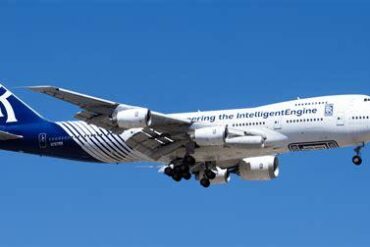
- Rolls-Royce RB211-524G/H
- A maximum takeoff weight of 875,000 pounds.
- A range of over 7,200 nautical miles.
In its typical three-class layout, the jet could seat 416 passengers, making it ideal for high-capacity intercontinental routes.
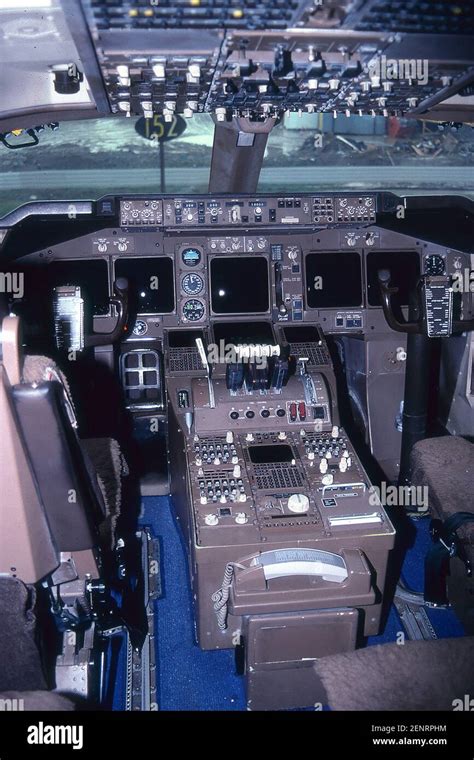
Between 1989 and 2009, more than 690 Boeing 747-400 units were produced, making it the best-selling variant of the 747 series. Its legacy extended beyond passenger service, with many jets converted for freight, engine testing, or VIP transport.
The 747’s Afterlife: Cargo and Charter Operations
Though retired from scheduled U.S. passenger service, the 747 continues to live on in different capacities. Major cargo carriers like UPS Airlines still fly the 747-400F variant, relying on its ability to haul immense payloads over long distances.
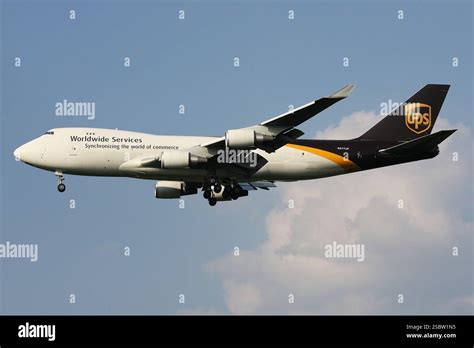
Charter operators such as Atlas Air also maintain passenger versions of the aircraft. Atlas Air’s fleet includes five 747-400s, some fitted for VIP service with just 189 seats, while others are configured for dense charter flights carrying over 520 passengers.
Even in retirement, the aircraft remains a favorite for aerospace enthusiasts and aviation museums. Several former Delta 747s have found permanent homes in institutions like the Delta Flight Museum, ensuring the legacy remains accessible to future generations.
From Flagship to Farewell: The End of an Era
When Delta operated its final 747 passenger flight in 2017, it didn’t just say goodbye to an aircraft—it marked the end of widebody four-engine jets in mainstream U.S. airline operations. United Airlines, the other major 747 operator, had retired its fleet the same year. Together, these moves signaled the industry’s shift toward lighter, more efficient designs.
The economics were simply no longer in favor of the 747. With fuel prices climbing and pressure mounting for environmental sustainability, the operational efficiency of the Boeing 787 Dreamliner and Airbus A350 made them irresistible alternatives.
Still, there was—and continues to be—an undeniable emotional pull tied to the 747. The sight of its humpbacked silhouette, the roar of its four engines, and the grandeur of its double-decker design symbolize the golden age of air travel.
Conclusion: Legacy Secured in the Skies
The last Boeing 747 in America with passenger service belonged to Delta Air Lines, and its departure from the skies marked a poignant milestone in aviation history. Though no longer a staple of American air travel, its story is far from over. As freighters, charter aircraft, and museum pieces, the Boeing 747-400 continues to inspire awe and admiration.
More than just metal and rivets, the 747 is a cultural icon—one that expanded the world for generations of travelers. Its legacy will forever remain etched into the annals of aviation history, even as it makes way for newer, quieter, and more efficient aircraft in the skies above.