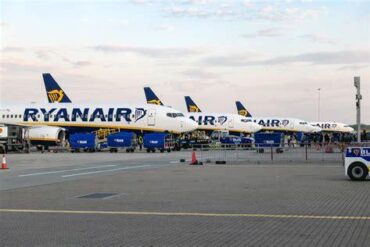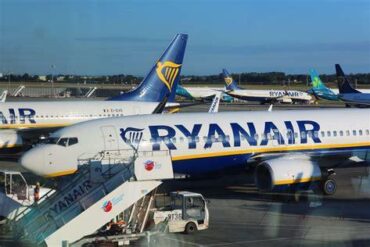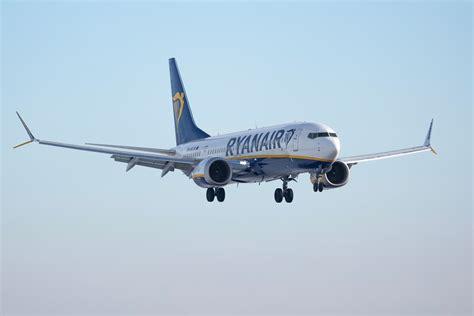
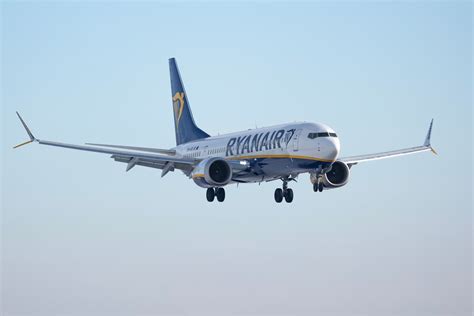
On June 18, 2025, a Ryanair Boeing 737 flight operating a routine route from London Stansted Airport to Kalamata International Airport in Greece experienced a serious post-landing incident. What began as a turbulent approach ended in a ground collision that left the aircraft with visible wingtip damage, raising critical concerns about airport safety protocols, turbulence management, and pilot response procedures.
Severe Turbulence Shakes Flight Before Landing
The flight departed Stansted in the morning under clear weather conditions, but as the aircraft approached the Peloponnese region, conditions dramatically worsened. A band of severe turbulence disrupted the final 20 minutes of the descent. Passengers onboard described violent shaking, sudden drops, and loud rattling noises as the aircraft maneuvered through unstable air pockets.
Despite the turbulence, the Boeing 737 successfully aligned with the runway at Kalamata and executed a hard yet controlled landing. While the aircraft remained steady upon touchdown, the cabin atmosphere remained tense. Some passengers clutched armrests and visibly braced for further disruption, highlighting how physically and emotionally jarring the final descent had been.
Taxiing Mishap: Barrier Collision on the Ground
Shortly after touchdown, the situation escalated unexpectedly. As the aircraft began to taxi toward the terminal, it veered slightly from its designated path. In doing so, the right wingtip struck a red-and-white ground barrier positioned near the edge of the taxiway. Witnesses described a loud scraping noise, followed by a brief shudder throughout the cabin.
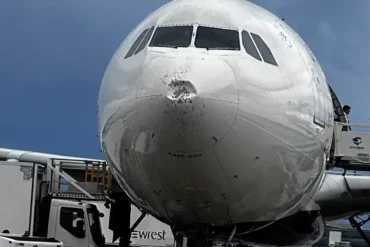
The contact caused visible structural damage to the starboard wingtip. Photos taken shortly after the incident revealed a torn and crumpled metal edge, confirming that the impact had not been superficial. While no smoke or flames were present, the damage was serious enough to warrant immediate inspection and precautionary safety measures.
Emergency Protocols Activated But No Evacuation Ordered
Following the impact, the cabin crew quickly instructed passengers to remain seated with seatbelts fastened. Airport safety teams and Ryanair ground personnel responded rapidly, inspecting the aircraft externally to check for fuel leaks, fire risks, or other hazards.
Despite the apparent wing damage, there were no signs of immediate danger, and the cockpit crew chose not to initiate a full evacuation. Instead, the plane continued taxiing—albeit at reduced speed—to a designated parking stand. Once safely parked, passengers disembarked normally via mobile stairs, without any reported injuries.
This calm and measured response drew mixed reactions. Some passengers later expressed relief at the orderly handling of the situation, while others criticized the lack of communication about the visible damage and questioned whether a more urgent response was warranted.
Airline Response and Aircraft Assessment
Ryanair issued a formal statement acknowledging the incident, referring to it as a “minor contact with a ground barrier” and emphasizing that no passengers or crew were harmed. The company praised the flight crew for maintaining safety protocols throughout the flight, particularly in the face of challenging weather conditions.
Once empty, the aircraft was taken out of service for a comprehensive technical inspection by maintenance crews. Engineers thoroughly evaluated the structural integrity of the wing, focusing on the damaged area to ensure there were no cracks, fuel line compromises, or aerodynamic issues that could compromise future flight performance.
Repairs were conducted efficiently, and within hours, the wingtip was restored to operational condition. The aircraft passed all post-repair inspections and resumed service later that same day, operating its return leg back to London without further incident.
Safety Questions Linger Over Taxiway Design and Communication
Although the incident concluded without physical injuries or cancellations, it has ignited discussion within aviation circles regarding airport taxiway safety and turbulence readiness. While mid-air turbulence is a known and managed risk within aviation, collisions during taxiing remain comparatively rare and often signal gaps in ground infrastructure, aircraft maneuvering space, or pilot-ground coordination.
In this specific case, questions are being raised about the positioning of the ground barrier, whether the taxi route was too narrow, or if pilot misjudgment contributed to the event. Some analysts point to the intense turbulence and possible disorientation as contributing factors, suggesting that a combination of environmental and human variables may have led to the minor deviation.
Furthermore, passengers have voiced concern about the lack of clear communication during the incident. Several individuals described seeing the damaged wing through the window and feeling anxious that the severity was not being adequately addressed.
Regulatory Review Not Initiated Yet, But Industry Watching Closely
As of now, there has been no announcement of a formal investigation by the Greek Civil Aviation Authority or European Union Aviation Safety Agency (EASA). This could change if further details emerge or if recurring concerns surface related to pilot behavior, airfield layout, or Ryanair’s ground procedures.
Aviation safety experts caution that even when no injuries are reported, incidents like these offer vital case studies in risk assessment and passenger safety communication. They also present an opportunity to refine post-landing protocols, especially in regional airports where infrastructure may not match the scale or safety redundancies of larger international hubs.
Aircraft Returns to Duty Without Operational Delays
Once the damaged wingtip was repaired and recertified, the Boeing 737 re-entered service smoothly. Ryanair confirmed that there were no flight cancellations or scheduling disruptions linked to the incident. The airline emphasized its ongoing commitment to passenger safety, stating that “the integrity and reliability of the aircraft were never compromised.”
Airport officials at Kalamata echoed the sentiment, affirming that emergency response units responded in a timely and effective manner. They added that the taxiway area was briefly cordoned off for inspection but reopened shortly after the aircraft was removed.
Passengers from the affected flight were offered standard customer support services, including delay information and optional assistance. No compensation was issued as no injuries or extended delays occurred.
A Cautionary Reminder: Precision Needed Even After Touchdown
This Ryanair event underscores a critical truth in aviation: a flight is not truly complete until the aircraft is parked and secured. The transition from sky to terminal is often taken for granted by passengers, but the incident in Kalamata serves as a sharp reminder that the final stage—taxiing—demands as much care and attention as takeoff and landing.
Regional airports like Kalamata, with more constrained layouts and limited taxiway margins, present additional challenges. When paired with extreme weather conditions, such as the turbulence that preceded this incident, the margin for error narrows significantly.
While the situation did not result in injuries or significant operational fallout, it has left a lasting impression on both passengers and aviation observers. From communication gaps to ground safety layouts, the event highlights areas ripe for review and improvement—not just for Ryanair, but across the industry.
Final Thoughts
In aviation, where safety is paramount and public scrutiny is high, even minor ground collisions can carry symbolic weight. The June 18 incident involving Ryanair’s Boeing 737 in Greece may not have triggered alarms at the regulatory level, but it has captured attention for the way it blends environmental turbulence, ground error, and passenger experience into a single, cautionary episode.
The aircraft is back in service, passengers are unharmed, and schedules remain intact. Still, the questions raised by this collision will continue to resonate as the industry looks to refine every aspect of its operations—from the skies to the tarmac.