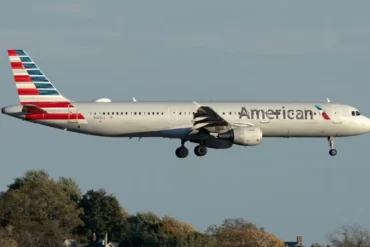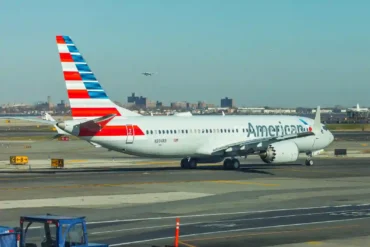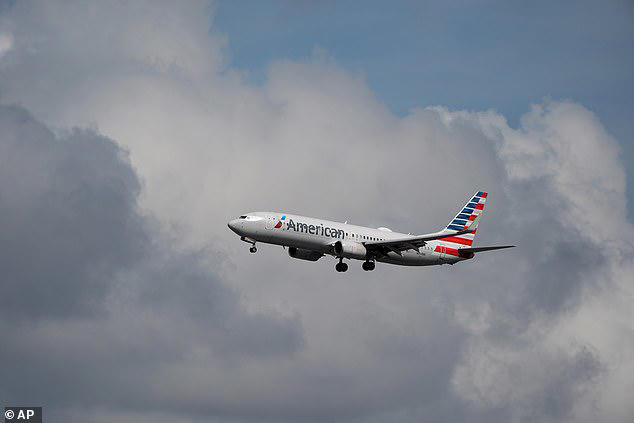
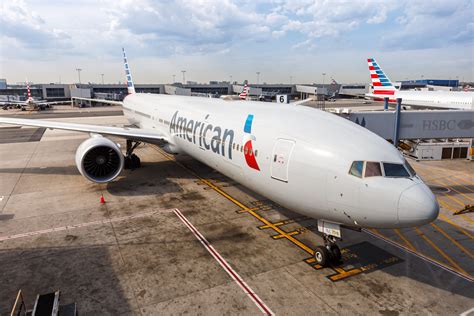
Passengers aboard an American Airlines Airbus A321 experienced an unexpected and tense disruption when their scheduled journey from Phoenix to Miami was abruptly diverted due to a suspected onboard fire risk. The flight, operating as Flight 1429, was forced to land at Tucson International Airport shortly after departure on April 13, following reports of a malfunction involving galley equipment. While no fire ultimately materialized, the decision to divert underscores the aviation industry’s uncompromising stance on safety when even the slightest risk is detected.
Mid-Air Alert Prompts Immediate Diversion to Tucson
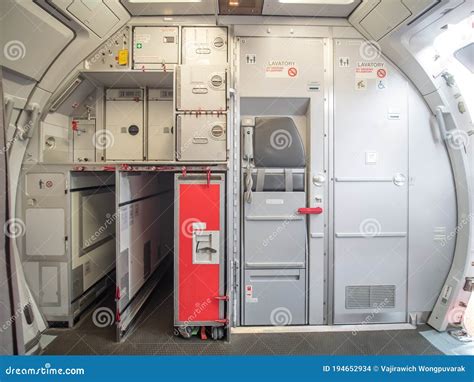
The incident unfolded quickly after takeoff, when crew members identified irregular behavior from one of the aircraft’s onboard ovens. Though seemingly minor, such anomalies are treated with heightened seriousness due to their potential link to overheating or electrical faults. Acting in accordance with strict safety protocols, the flight crew opted to reroute the aircraft to Tucson International Airport, the nearest suitable location for a precautionary landing.
Passengers reported a smooth but urgent descent, with the aircraft touching down safely and without any visible signs of fire or smoke. Emergency services were on standby as a standard precaution, though their intervention was not required. The aircraft was subsequently inspected on the ground, confirming that the issue did not escalate into an active fire event.
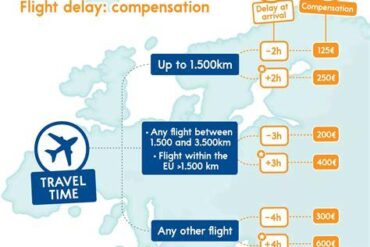
The diversion resulted in a delay of approximately three and a half hours, leaving travelers stranded temporarily while airline personnel assessed the aircraft’s condition and arranged for the continuation of the journey. While frustrating for passengers, the delay reflects a deliberate and necessary prioritization of safety over schedule adherence.
Why a Faulty Oven Can Ground an Entire Aircraft
At first glance, a malfunctioning oven may seem trivial in the context of a sophisticated commercial aircraft. However, aviation safety protocols are designed around the principle of eliminating uncertainty at the earliest stage. Even minor irregularities involving heat or electrical systems can mimic the early warning signs of a more serious hazard, such as an onboard fire.
Aircraft galleys, which house ovens, coffee makers, and other catering equipment, are among the most common sources of non-critical technical issues. These systems rely heavily on electrical components that can occasionally fail or behave unpredictably. In rare instances, food debris or mechanical wear can lead to overheating, producing smoke or unusual odors that trigger alarms.
Flight crews are rigorously trained to treat these signals with caution. Rather than waiting for confirmation of a fire, which could escalate rapidly, pilots are instructed to act decisively. This conservative approach ensures that potential threats are contained before they pose any real danger to passengers or the aircraft itself.
Aviation’s Layered Safety Philosophy in Action
The handling of Flight 1429 illustrates the multi-layered safety framework that defines modern aviation. From advanced detection systems to comprehensive crew training, every aspect of airline operations is designed to minimize risk. When a potential hazard is identified, even one with a low probability of escalation, immediate action is taken to safeguard everyone on board.
American Airlines acknowledged the incident in a statement, emphasizing that the diversion was carried out “out of an abundance of caution.” The airline also commended its crew for their professionalism and adherence to safety procedures, while apologizing to passengers for the inconvenience caused by the delay.
This event also highlights the importance of redundancy and preparedness. Aircraft are equipped with fire detection and suppression systems, and flight crews undergo extensive training to handle a wide range of emergency scenarios. These measures ensure that even unexpected technical faults can be managed effectively without compromising safety.
Similar Incidents Reflect Industry-Wide Protocols
The American Airlines diversion is far from an isolated case. Across the aviation industry, precautionary landings triggered by suspected fire risks are a well-documented phenomenon. In many instances, the root cause is ultimately traced back to minor issues, such as burned food, electrical glitches, or component malfunctions within galley systems.
For example, a Delta Air Lines flight operating between Lagos and Atlanta was diverted after a burning smell was detected, later attributed to food debris affecting oven components. Similarly, a United Airlines flight from Key West to Newark executed an emergency landing when smoke was observed emanating from onboard kitchen equipment. In both cases, the situations were resolved without injuries, reinforcing the effectiveness of established safety protocols.
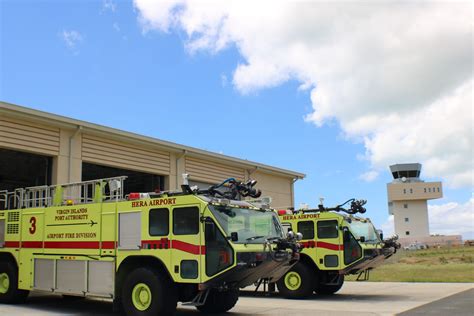
These recurring scenarios demonstrate a consistent industry response: land as soon as safely possible when fire is suspected. This approach is rooted in decades of aviation history, where lessons learned from past incidents have shaped today’s stringent safety standards.
Passenger Impact and the Bigger Safety Picture
For the passengers of Flight 1429, the delay was an inconvenience that disrupted travel plans and added hours to an already long journey. Yet, the safe outcome of the incident serves as a powerful reminder of why such measures are necessary. In aviation, time lost is always preferable to risk taken.
While diversions can be unsettling, they are a visible manifestation of a system designed to err on the side of caution. Every decision made by the flight crew is guided by protocols that prioritize human life above all else, even when the perceived threat turns out to be minimal.
In the end, the aircraft landed safely, passengers continued their यात्रा, and no injuries were reported. The incident reinforces confidence in the aviation industry’s ability to handle unexpected challenges with precision and care. For frequent flyers and occasional travelers alike, it is a reassuring example of how safety remains the unwavering cornerstone of modern air travel.